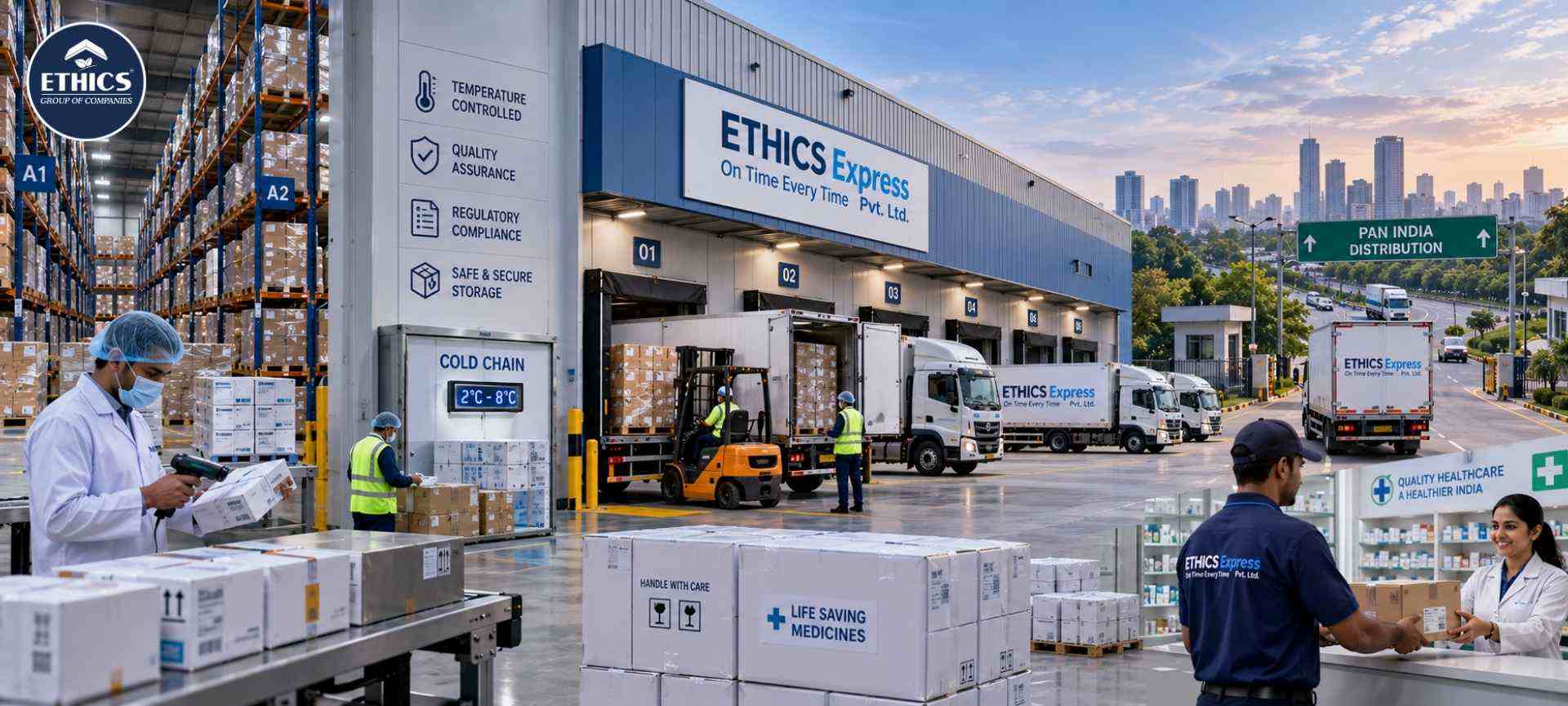
India’s pharmaceutical industry operates within a supply chain where product quality, regulatory compliance, temperature control, traceability, and delivery timelines are closely connected. A medicine may pass through manufacturers, warehouses, transporters, distributors, hospitals, pharmacies, and other healthcare channels before reaching the end user. At every stage, logistics decisions can affect product integrity.
This makes pharma logistics India more than a transportation or warehousing function. It is a specialised supply chain discipline requiring controlled processes, trained personnel, appropriate infrastructure, documentation, and end-to-end visibility.
For pharmaceutical manufacturers, distributors, healthcare businesses, and 3PL partners, the objective is clear: move products safely and efficiently while maintaining required storage and handling conditions throughout the distribution cycle.
What Is Logistics in the Pharmaceutical Industry?
A basic question often asked by businesses entering the sector is What is logistics in practical terms?
Logistics involves planning, implementing, and controlling the movement and storage of goods from their point of origin to their destination. In pharmaceuticals, however, logistics carries additional operational responsibilities because products may have specific requirements related to temperature, humidity, security, handling, shelf life, batch identification, and traceability.
Pharmaceutical logistics can include:
-
Inbound transportation from manufacturing facilities
-
Receipt and inspection of pharmaceutical products
-
Controlled storage and inventory management
-
Order processing and picking
-
Packaging and dispatch
-
Temperature-controlled transportation
-
Pharmaceutical distribution
-
Reverse logistics and product returns
-
Batch and expiry management
-
Documentation and traceability
The objective is not simply to deliver a shipment on time. The product must reach its destination in the required condition with the necessary records and controls.
Key Challenges in Pharma Logistics India
Pharmaceutical supply chains face operational challenges that require more specialised planning than conventional logistics.
1. Temperature and Environmental Control
Certain medicines, vaccines, biological products, and other temperature-sensitive products require controlled storage and transportation.
Temperature excursions can compromise product quality, making monitoring and documentation important throughout the logistics process.
2. Regulatory and Documentation Requirements
Pharmaceutical operations require disciplined documentation and standardised procedures. Businesses need appropriate controls around receiving, storage, inventory movement, dispatch, transportation, and returns.
3. Batch and Expiry Management
Pharmaceutical inventory cannot always be managed using a simple first-in-first-out approach. Depending on the product and operational requirement, teams may need to prioritise batches based on expiry dates and maintain accurate batch-level records.
4. Product Traceability
A pharmaceutical company needs visibility into where inventory came from, where it has been stored, and where it was dispatched. Poor traceability can create significant operational and compliance risks.
5. Distribution Complexity
Pharmaceutical distribution may involve multiple regions, distributors, hospitals, retail pharmacies, institutional buyers, and other channels. Managing these networks requires coordinated inventory and transportation planning.
Best Practices for GDP Compliant Warehousing
A pharmaceutical warehouse should be designed around product requirements and documented operating procedures rather than simply available storage space.
GDP compliant warehousing focuses on maintaining product quality throughout storage and distribution activities. Depending on the products handled, important controls may include appropriate temperature monitoring, calibrated equipment, access controls, hygiene standards, pest management, cleaning procedures, stock segregation, documentation, and trained personnel.
A well-managed pharmaceutical warehouse should have clearly defined zones for activities such as:
-
Receiving
-
Quarantine
-
Approved inventory
-
Rejected or damaged stock
-
Returns
-
Dispatch
-
Temperature-sensitive products
The physical layout should support efficient movement while reducing the possibility of mix-ups, contamination, unauthorised access, or incorrect dispatch.
Why a Warehouse Management System Matters
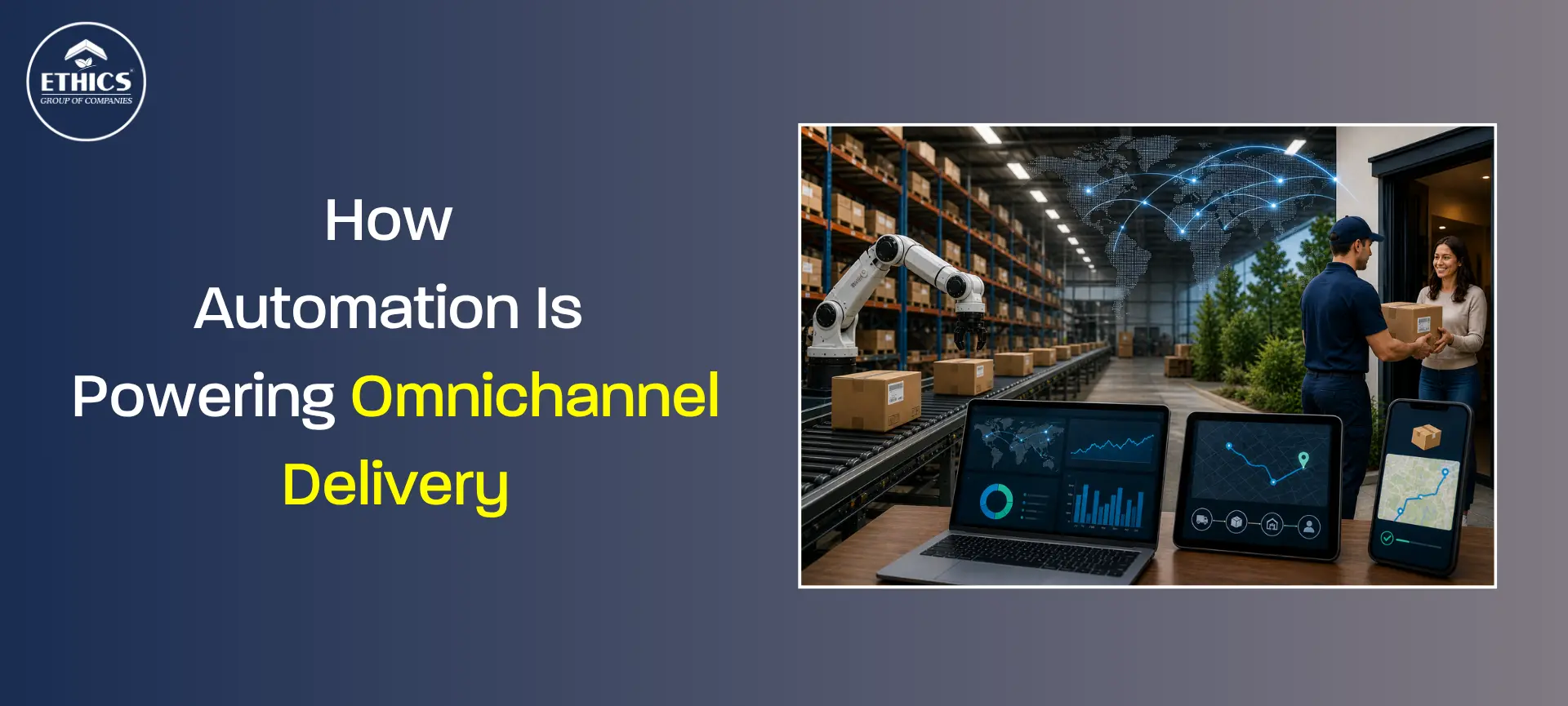
A modern Warehouse Management System (WMS) can provide stronger control over pharmaceutical inventory and warehouse processes.
Instead of relying heavily on manual records, a WMS can help track inventory at relevant levels, including product, batch, quantity, location, and expiry information.
Key capabilities can include:
-
Barcode-based inventory tracking
-
Batch and lot management
-
Expiry-date monitoring
-
FEFO-based picking where appropriate
-
Location management
-
Stock reconciliation
-
Order processing
-
Dispatch control
-
Inventory reporting
-
Audit trails
For businesses operating multiple facilities, integrating the WMS with ERP, transportation, and order-management systems can provide greater visibility across the end-to-end supply chain.
Technology should, however, support established procedures rather than replace them. System configuration, data accuracy, validation, user access controls, and employee training remain essential.
Pharmaceutical Distribution: From Warehouse to Customer
Efficient pharmaceutical distribution requires careful coordination between inventory availability, order priorities, transportation capacity, delivery schedules, and product-specific handling requirements.
Before dispatch, teams should verify critical details such as:
-
Correct product and quantity
-
Batch information
-
Expiry status
-
Packaging requirements
-
Shipping documentation
-
Delivery destination
-
Temperature requirements
-
Transport conditions
For temperature-sensitive products, the logistics process should include suitable packaging, monitoring, handling procedures, and defined response mechanisms for temperature deviations.
The transportation partner should also understand pharmaceutical handling requirements rather than treating healthcare shipments like conventional parcels.
Rail, Road, or Air: Choosing the Right Mode
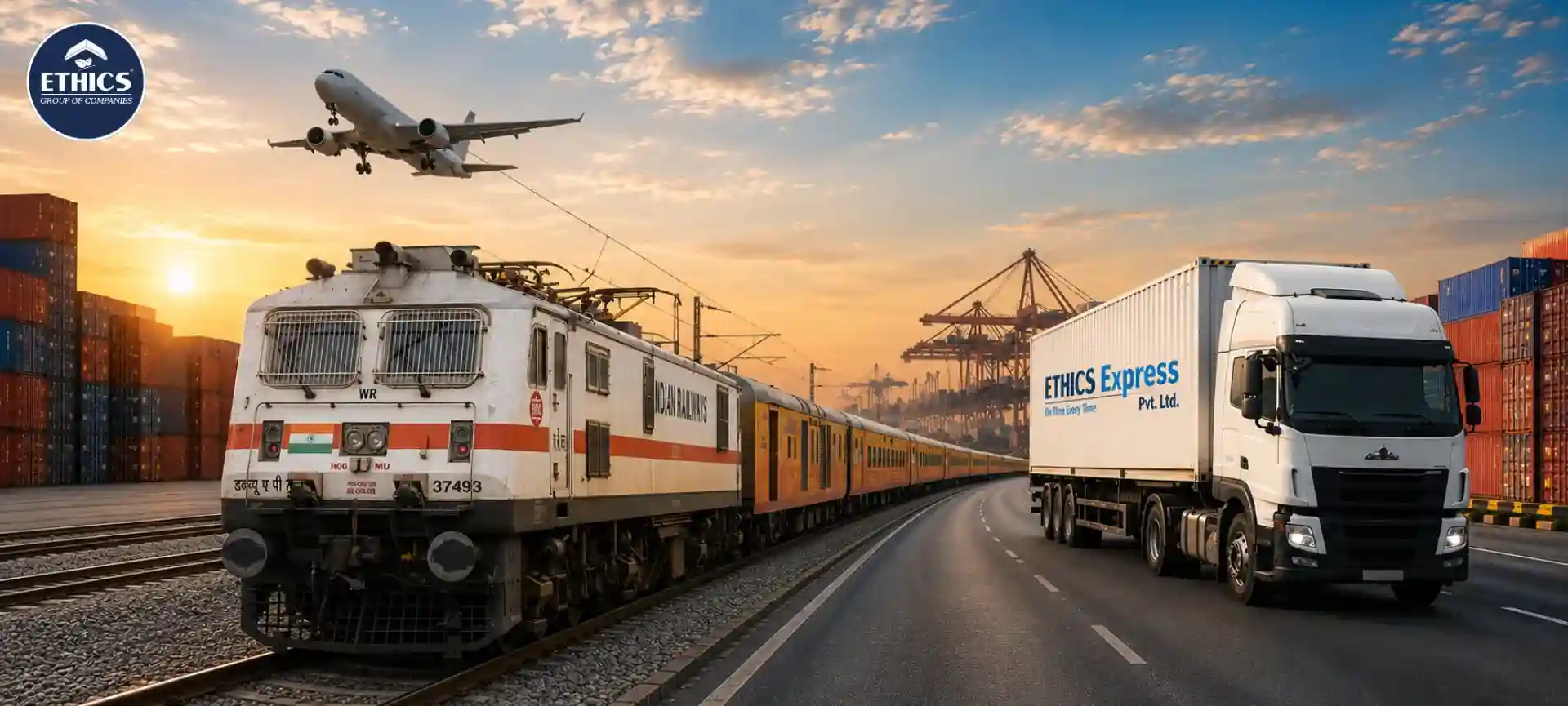
Selecting between Rail, Road, or Air depends on factors such as urgency, shipment characteristics, destination, cost, service availability, and product handling requirements.
Road
Road transportation provides extensive geographical reach and flexible point-to-point delivery. It is particularly useful for regional distribution and regular replenishment movements.
Rail
Rail can be considered for suitable shipment profiles where scheduled movement, route availability, and transit economics make it operationally appropriate. Pharmaceutical businesses must evaluate handling conditions, security, connectivity, and service reliability before selecting rail.
Air
Air transportation is generally relevant when shipment urgency or geographical distance makes faster transit necessary. It can be suitable for high-value or time-sensitive pharmaceutical shipments, subject to appropriate handling and packaging arrangements.
The right approach is not to select one mode universally. Businesses should evaluate each lane and product requirement individually.
3PL vs 4PL in Pharmaceutical Supply Chains
The 3PL vs 4PL decision becomes relevant when pharmaceutical companies consider outsourcing part or most of their logistics operations.
A 3PL typically provides operational services such as warehousing, transportation, fulfilment, and distribution.
A 4PL model generally involves a broader orchestration role, where the provider coordinates multiple logistics resources, partners, systems, and processes across the supply chain.
The appropriate model depends on the company's operational complexity, internal capabilities, technology requirements, geographical footprint, and desired level of control.
Regardless of the model, pharmaceutical businesses should assess a logistics partner based on factors including:
-
Compliance capabilities
-
Infrastructure
-
Temperature-control capabilities
-
Technology and visibility
-
SOP management
-
Trained manpower
-
Security controls
-
Reporting and documentation
-
Scalability
-
Business continuity planning
Cost is important, but it should not be the only selection criterion.
Practical Use Case: Improving Pharmaceutical Distribution
Consider a pharmaceutical manufacturer supplying products to distributors across several states.
A disconnected logistics model may result in limited inventory visibility, manual stock reconciliation, delayed replenishment decisions, and difficulty identifying ageing batches.
An integrated model can connect warehouse inventory, batch and expiry information, order processing, transportation planning, and delivery visibility.
When a distributor places an order, the system can help identify suitable inventory, support FEFO-based allocation where applicable, trigger warehouse fulfilment, and provide shipment visibility.
This creates a more controlled flow from manufacturing to distribution while giving supply chain managers better information for decision-making.
Operational Benefits of a Well-Managed Pharma Supply Chain
A structured pharmaceutical logistics model can deliver several business benefits:
Better product integrity: Controlled storage and transportation processes help protect product quality.
Improved inventory accuracy: Digital tracking reduces dependence on fragmented manual records.
Greater traceability: Batch-level information makes inventory movements easier to monitor.
Reduced operational errors: Standardised SOPs and system controls can minimise incorrect picking and dispatch.
Better service levels: Coordinated inventory and transportation planning can support more predictable deliveries.
Improved scalability: Technology-enabled processes can make it easier to manage additional products, customers, and locations.
Future Trends in Pharma Logistics
The next phase of pharmaceutical logistics will increasingly combine physical infrastructure with digital intelligence.
Important developments include real-time temperature monitoring, IoT-enabled devices, predictive analytics, automated warehouse processes, digital documentation, advanced track-and-trace capabilities, and data-driven inventory planning.
Pharmaceutical companies are also likely to place greater emphasis on supply chain resilience. Rather than optimising only for the lowest logistics cost, businesses are increasingly required to consider continuity, alternative suppliers, transportation options, inventory positioning, and contingency planning.
Conclusion
The future of pharma logistics India will depend on the ability to combine compliance, technology, infrastructure, skilled people, and disciplined operational processes. From GDP compliant warehousing and batch-level inventory control to pharmaceutical distribution and temperature-controlled transportation, every stage needs to work as part of a connected supply chain.
For Ethics Group, the opportunity is to support businesses with logistics capabilities designed around operational visibility, reliability, scalability, and the specific requirements of pharmaceutical supply chains.
Ultimately, pharmaceutical logistics should be measured not only by how quickly a product moves, but by whether it moves safely, compliantly, traceably, and consistently from origin to destination.