In today’s digitally connected marketplace, customers expect seamless shopping experiences across every channel—whether they purchase from an e-commerce platform, mobile application, physical retail store, or social commerce platform. Businesses are now under constant pressure to deliver products faster, maintain inventory accuracy, and provide real-time visibility throughout the buying journey.
This growing demand has made omnichannel delivery one of the most critical priorities for modern supply chains. However, managing multiple sales channels manually is no longer sustainable. That is where automation is transforming the logistics landscape.
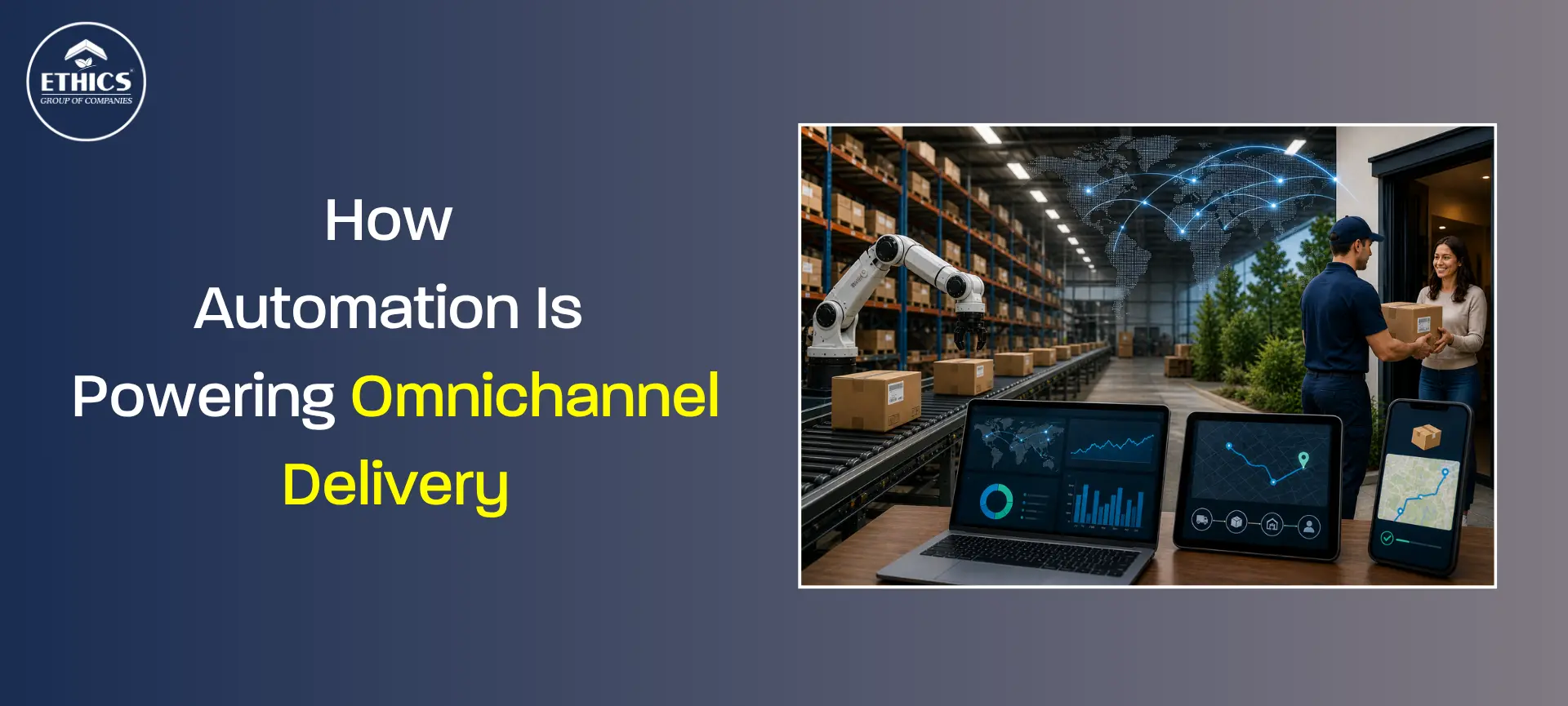
From intelligent warehousing systems to AI-driven inventory management and automated last-mile operations, automation is helping organizations streamline omnichannel fulfillment while improving speed, accuracy, and customer satisfaction.
At Ethics Group, we understand that technology-driven supply chain transformation is becoming essential for businesses aiming to stay competitive in an increasingly customer-centric economy.
Understanding Omnichannel Delivery
Omnichannel delivery refers to the integration of multiple sales and distribution channels into a unified customer experience. Customers today may browse products online, purchase through a mobile app, and choose home delivery or in-store pickup—all within the same journey.
Unlike traditional multichannel systems, omnichannel operations require synchronized inventory, connected logistics networks, and real-time communication between suppliers, warehouses, stores, and transportation partners.
This complexity creates operational challenges such as:
- Inventory inconsistencies across channels
- Delayed order fulfillment
- Higher operational costs
- Limited visibility into stock movement
- Increased risk of human error
- Customer dissatisfaction due to delivery delays
Automation addresses these challenges by creating intelligent, connected, and scalable supply chain ecosystems.
The Role of Automation in Omnichannel Delivery
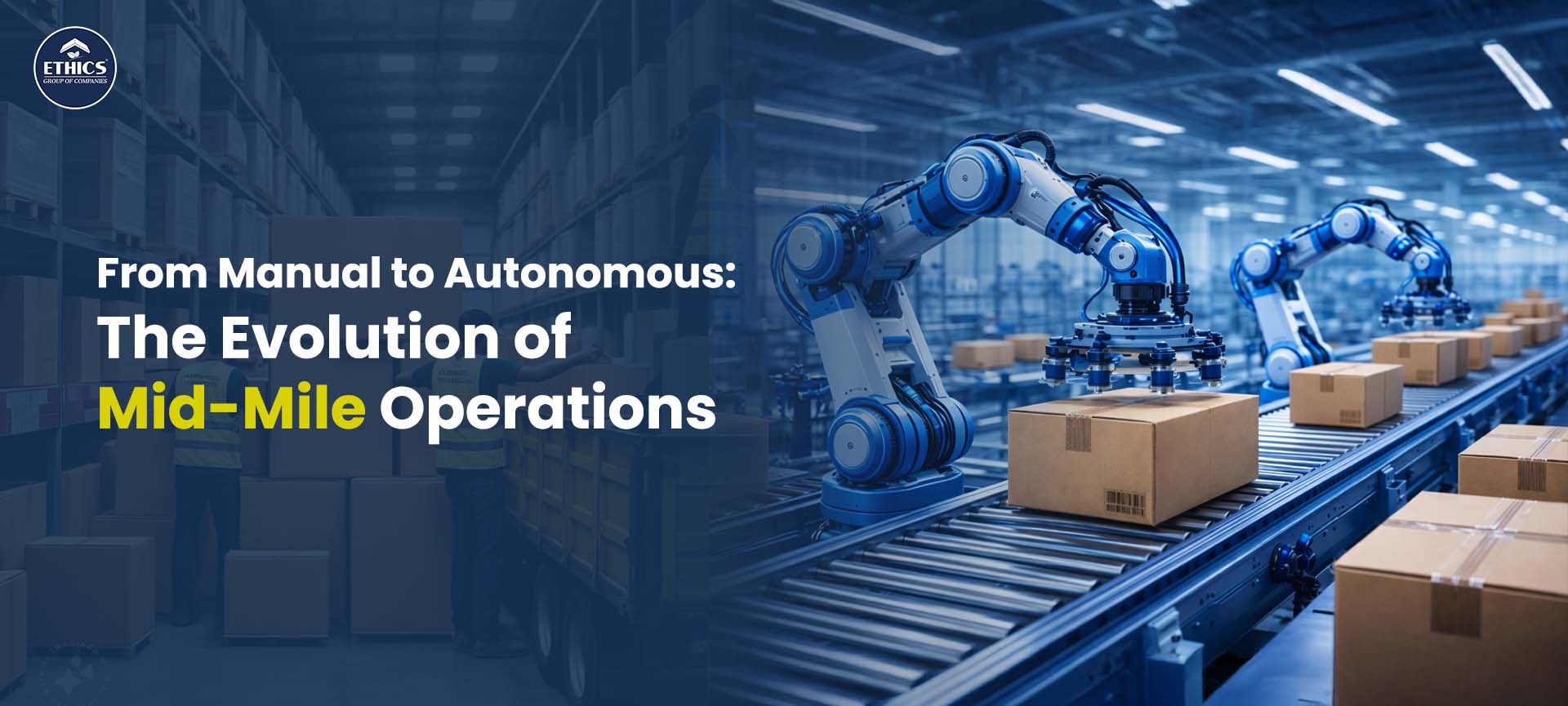
Automation enables businesses to reduce manual intervention and improve operational efficiency across the entire fulfillment cycle. It helps organizations process higher order volumes while maintaining speed and accuracy.
1. Smart Warehouse Automation
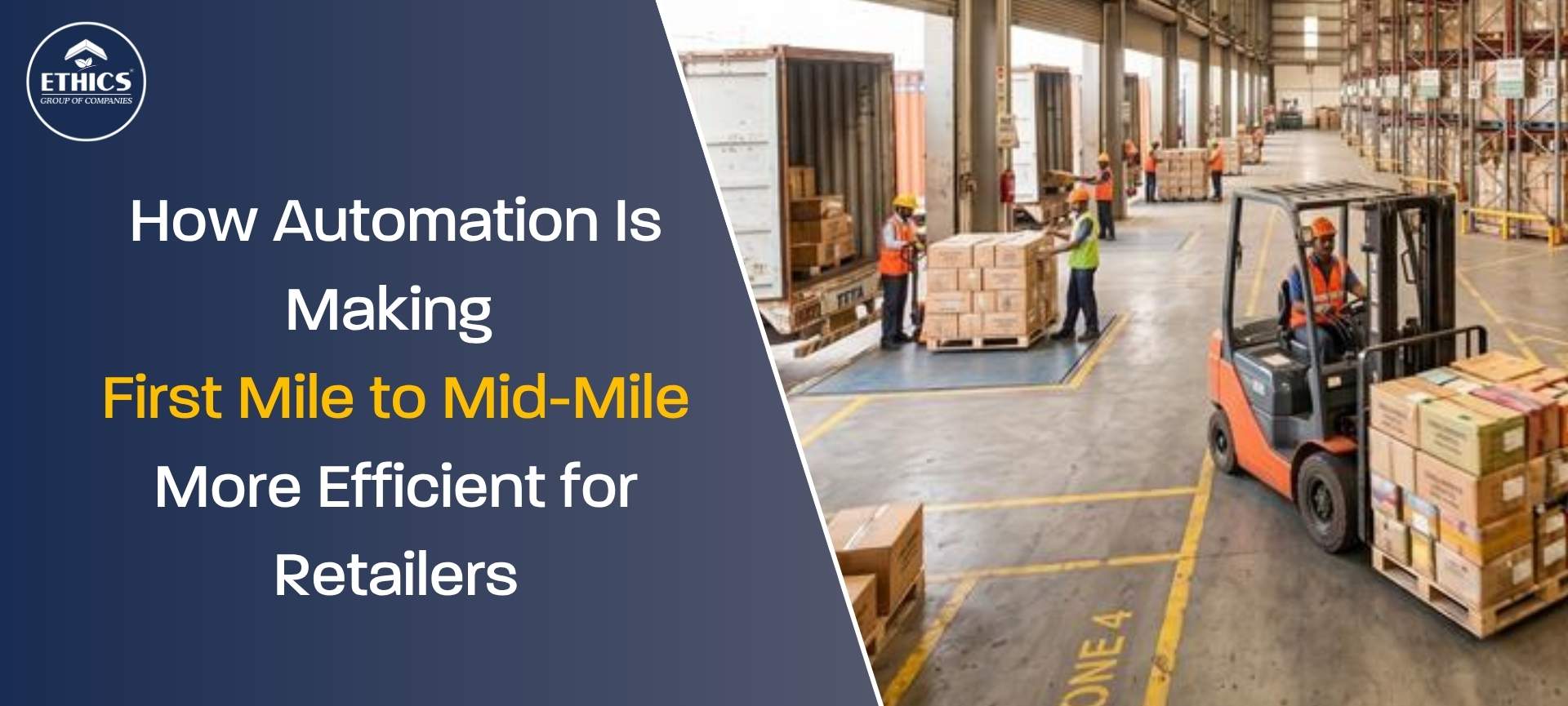
Warehouses are the backbone of omnichannel fulfillment. Traditional warehouse operations often struggle to manage dynamic customer demand and multi-channel inventory requirements.
Modern automated warehouses use technologies such as:
- Automated Storage and Retrieval Systems (AS/RS)
- Robotics for picking and packing
- Conveyor sorting systems
- Barcode and RFID scanning
- Warehouse Management Systems (WMS)
These technologies help businesses optimize storage, reduce picking errors, and accelerate dispatch timelines.
For example, automated picking systems can significantly improve order processing speed during high-demand periods such as festive sales or promotional campaigns. Real-time inventory tracking also ensures stock accuracy across online and offline channels.
As a result, businesses can fulfill orders faster while minimizing operational bottlenecks.
Real-Time Inventory Visibility
One of the biggest challenges in omnichannel logistics is maintaining accurate inventory visibility across all sales channels.
Automation-powered inventory systems provide real-time stock updates, helping businesses avoid issues such as overselling, stockouts, or delayed fulfillment.
Integrated inventory automation offers several advantages:
- Centralized inventory management
- Real-time stock synchronization
- Better demand forecasting
- Faster replenishment cycles
- Improved order accuracy
With predictive analytics and AI-based forecasting, businesses can also anticipate customer demand more effectively and allocate inventory strategically across fulfillment centers.
This improves operational agility while reducing excess inventory costs.
Faster and Smarter Order Fulfillment
Customer expectations around delivery speed continue to rise. Same-day delivery, next-day shipping, and flexible delivery options are rapidly becoming standard expectations.
Automation helps businesses accelerate fulfillment processes through:
- Automated order routing
- AI-driven fulfillment optimization
- Smart packing systems
- Digital order tracking
- Integrated transportation management
Intelligent order routing systems automatically assign orders to the nearest fulfillment center or warehouse based on inventory availability and delivery timelines.
This reduces shipping costs, shortens transit times, and improves customer satisfaction.
Automation also enables businesses to manage high order volumes during peak seasons without compromising operational efficiency.
Enhancing Last-Mile Delivery Operations
The last mile is often the most expensive and complex stage of the supply chain. Delays, route inefficiencies, and communication gaps can directly impact customer experience.
Automation is improving last-mile delivery through:
- Route optimization software
- GPS-enabled fleet tracking
- AI-based delivery scheduling
- Automated customer notifications
- Electronic proof of delivery
Advanced logistics systems can calculate the most efficient delivery routes in real time by analyzing traffic conditions, weather patterns, and delivery density.
Customers also benefit from real-time tracking and automated updates, creating greater transparency and trust in the delivery process.
Automation and Customer Experience
Omnichannel delivery is not only about operational efficiency—it is also about delivering a consistent and personalized customer experience.
Automation supports customer-centric operations by enabling:
- Faster order confirmations
- Accurate delivery timelines
- Personalized recommendations
- Flexible delivery and return options
- Real-time customer communication
When customers receive accurate updates and timely deliveries, brand trust and loyalty naturally improve.
In highly competitive industries such as retail, e-commerce, FMCG, and consumer goods, customer experience has become a major differentiator. Businesses investing in automation are better positioned to meet evolving consumer expectations.
Data-Driven Decision Making
Modern automation platforms generate large volumes of operational data that businesses can use to optimize supply chain performance.
Analytics-driven insights help organizations:
- Identify fulfillment bottlenecks
- Improve warehouse productivity
- Monitor delivery performance
- Optimize inventory allocation
- Reduce logistics costs
With AI and machine learning capabilities, businesses can continuously improve operational efficiency through predictive and data-driven decision-making.
This level of intelligence is becoming increasingly important in dynamic and fast-changing supply chain environments.
Scalability for Future Growth
As businesses expand across regions and channels, operational complexity increases significantly. Manual systems often struggle to scale efficiently.
Automation provides the flexibility and scalability required to support business growth without proportionally increasing operational costs.
Whether managing seasonal spikes, launching new channels, or expanding into new markets, automated systems help organizations maintain consistent service levels while supporting long-term scalability.
For growing enterprises, automation is no longer a luxury—it is becoming a strategic necessity.
The Future of Omnichannel Logistics
The future of omnichannel delivery will be driven by advanced technologies such as:
- Artificial Intelligence (AI)
- Internet of Things (IoT)
- Robotics and autonomous systems
- Predictive analytics
- Digital twins
- Hyper-automation
Businesses that invest in intelligent automation today will be better prepared to handle future supply chain disruptions, changing customer demands, and evolving market conditions.
Automation is not replacing human expertise—it is empowering organizations to make faster, smarter, and more efficient decisions across the supply chain ecosystem.
Conclusion
Omnichannel delivery has become a critical component of modern business success. As customer expectations continue to evolve, organizations must build agile, responsive, and technology-driven supply chains. Automation is playing a transformative role in enabling seamless omnichannel operations through smarter warehousing, real-time inventory visibility, optimized fulfillment, and enhanced last-mile delivery. Businesses that embrace automation can improve operational efficiency, reduce costs, and deliver superior customer experiences across every touchpoint.
At Ethics Group, we believe the future of supply chain excellence lies in intelligent, scalable, and digitally connected logistics ecosystems that empower businesses to thrive in an increasingly omnichannel world.