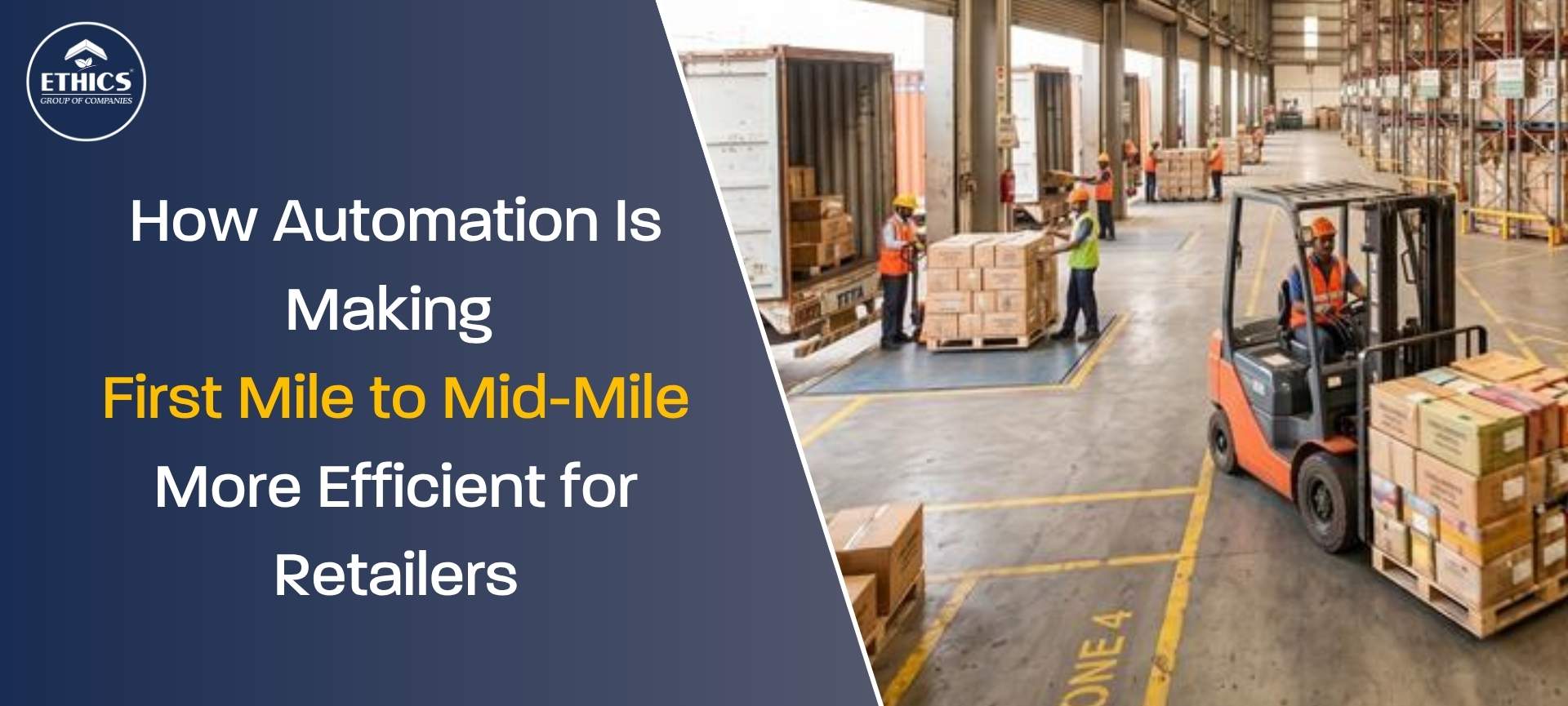
In the evolving world of supply chain and logistics, the spotlight has traditionally been on first-mile sourcing and last-mile delivery. However, the mid-mile segment—the critical link connecting warehouses, distribution centers, and fulfillment hubs—is now undergoing a major transformation.
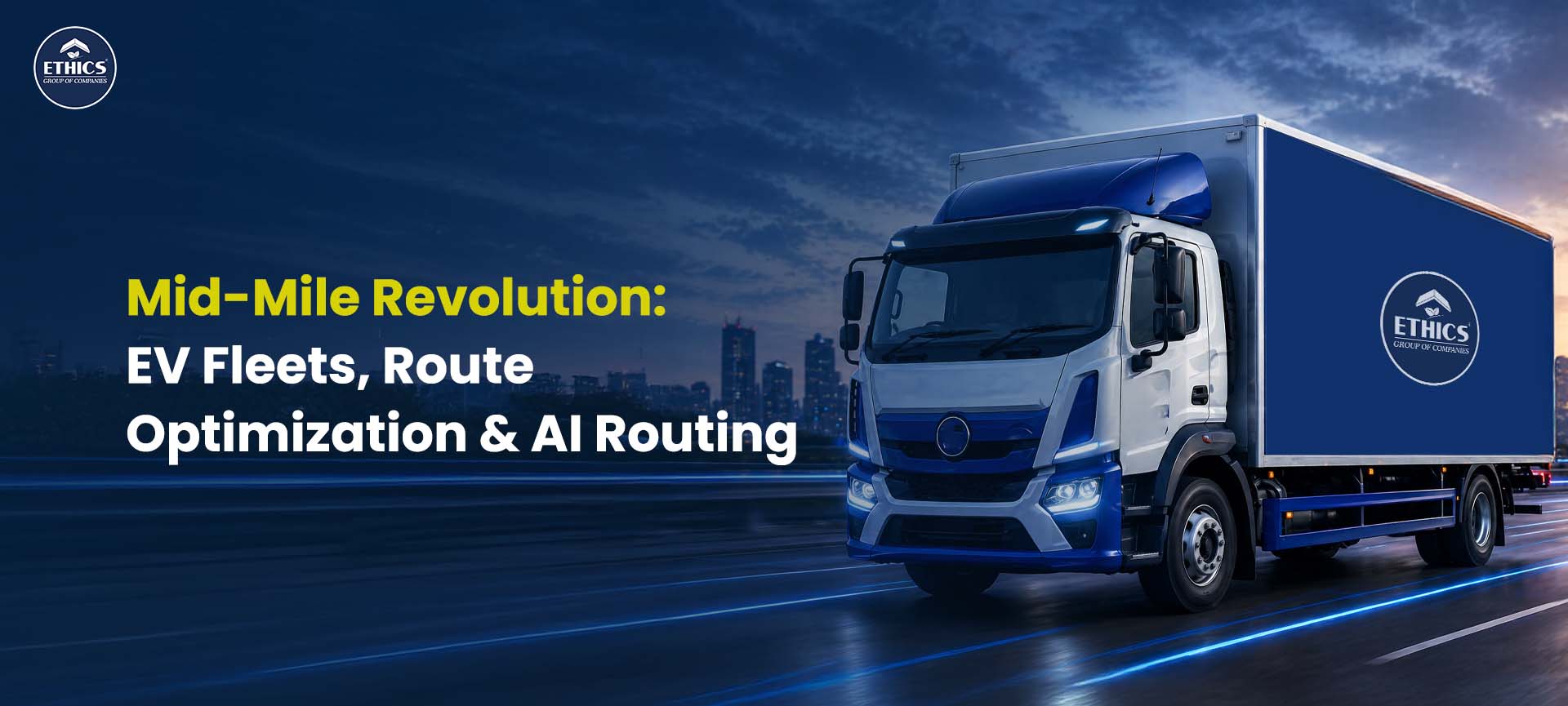
Driven by sustainability goals, cost pressures, and digital innovation, mid-mile logistics is being reshaped by three powerful forces: Electric Vehicle (EV) fleets, route optimization technologies, and AI-driven routing systems. Together, these innovations are not just improving efficiency—they are redefining how modern logistics networks operate.
For organizations aiming to build resilient, scalable, and environmentally responsible supply chains, this mid-mile revolution is no longer optional—it is strategic.
Understanding Mid-Mile Logistics
Mid-mile logistics refers to the transportation of goods between key nodes such as:
- Manufacturing plants to warehouses
- Warehouses to distribution centers
- Regional hubs to fulfillment centers
Unlike last-mile delivery, which focuses on customer experience, mid-mile logistics prioritizes volume movement, cost efficiency, and network optimization.
Historically, this segment has faced challenges such as:
- High fuel costs
- Inefficient routing
- Limited visibility
- Environmental impact
This is where the integration of EV fleets and AI-driven systems is making a measurable difference.
The Rise of EV Fleets in Mid-Mile Logistics
Why EVs Are Gaining Momentum
Electric vehicles are rapidly becoming a preferred choice for mid-mile transportation due to:
- Lower operating costs (reduced fuel and maintenance expenses)
- Regulatory compliance with emission norms
- Corporate sustainability goals (ESG initiatives)
- Reduced carbon footprint
For businesses operating large-scale logistics networks, transitioning to EV fleets offers long-term cost advantages while aligning with global sustainability commitments.
Operational Advantages
EV fleets bring several operational benefits:
- Predictable energy costs compared to fluctuating fuel prices
- Reduced downtime due to fewer mechanical components
- Better suitability for fixed-route mid-mile operations
Mid-mile routes are often structured and repetitive, making them ideal for EV deployment where charging infrastructure can be strategically planned.
Route Optimization: The Backbone of Efficiency
What is Route Optimization?
Route optimization involves determining the most efficient paths for transporting goods, considering factors such as:
- Distance
- Traffic conditions
- Delivery schedules
- Vehicle capacity
In mid-mile logistics, even minor improvements in route planning can lead to significant cost savings and time efficiency.
Key Benefits
- Reduced fuel/energy consumption
- Improved delivery timelines
- Higher fleet utilization
- Lower operational costs
When integrated with EV fleets, route optimization becomes even more critical, as it helps manage battery usage and charging schedules effectively.
AI Routing: The Game Changer
From Static Planning to Dynamic Intelligence
Traditional routing systems rely on static data and predefined rules. In contrast, AI-powered routing uses real-time data and predictive analytics to continuously optimize routes.
How AI Enhances Mid-Mile Logistics
AI routing systems leverage:
- Real-time traffic data
- Weather conditions
- Historical delivery patterns
- Demand forecasting
This enables:
- Dynamic rerouting to avoid delays
- Predictive maintenance planning
- Optimized load balancing
- Improved decision-making
Impact on Business Performance
Organizations adopting AI routing are witnessing:
- Faster turnaround times
- Reduced operational disruptions
- Enhanced supply chain visibility
- Improved customer satisfaction (even in B2B ecosystems)
The Synergy: EVs + Route Optimization + AI
The real transformation happens when these three elements work together.
Integrated Benefits
- Cost Efficiency
EV savings + optimized routes + AI intelligence = significant reduction in logistics costs - Sustainability
Lower emissions through EV adoption combined with efficient route planning - Operational Agility
AI enables quick response to disruptions, ensuring continuity - Scalability
Smart systems allow businesses to scale operations without proportional cost increases
Challenges in Implementation
While the benefits are compelling, organizations must address key challenges:
1. Infrastructure Readiness
- Availability of EV charging stations
- Integration with logistics hubs
2. Technology Adoption
- Investment in AI and optimization tools
- System integration with existing platforms
3. Change Management
- Training workforce
- Aligning operations with new technologies
4. Data Dependency
- AI systems require accurate and real-time data for effective performance
A phased and strategic approach is essential to overcome these barriers.
Industry Use Cases
1. FMCG & Retail Distribution
Companies are leveraging EV fleets for inter-warehouse transfers, reducing both cost and environmental impact.
2. E-commerce Logistics
AI routing ensures faster movement between fulfillment centers, enabling quicker order processing.
3. Automotive & Manufacturing
Optimized mid-mile logistics ensures timely delivery of components, reducing production delays.
Future Outlook
The mid-mile logistics landscape is set to become even more advanced with:
- Integration of IoT-enabled fleet monitoring
- Adoption of autonomous vehicles
- Expansion of smart logistics networks
- Increased use of digital twins for route simulation
Organizations that invest early in EV fleets and AI-driven logistics will gain a significant competitive advantage.
Conclusion
The mid-mile segment is no longer just a transit layer—it is a strategic enabler of supply chain efficiency and sustainability.
By adopting EV fleets, route optimization, and AI routing, businesses can unlock:
- Lower operational costs
- Improved efficiency
- Enhanced sustainability
- Stronger competitive positioning
At Ethics Group of Companies, embracing such innovations aligns with the broader vision of building future-ready, sustainable, and technology-driven logistics ecosystems.