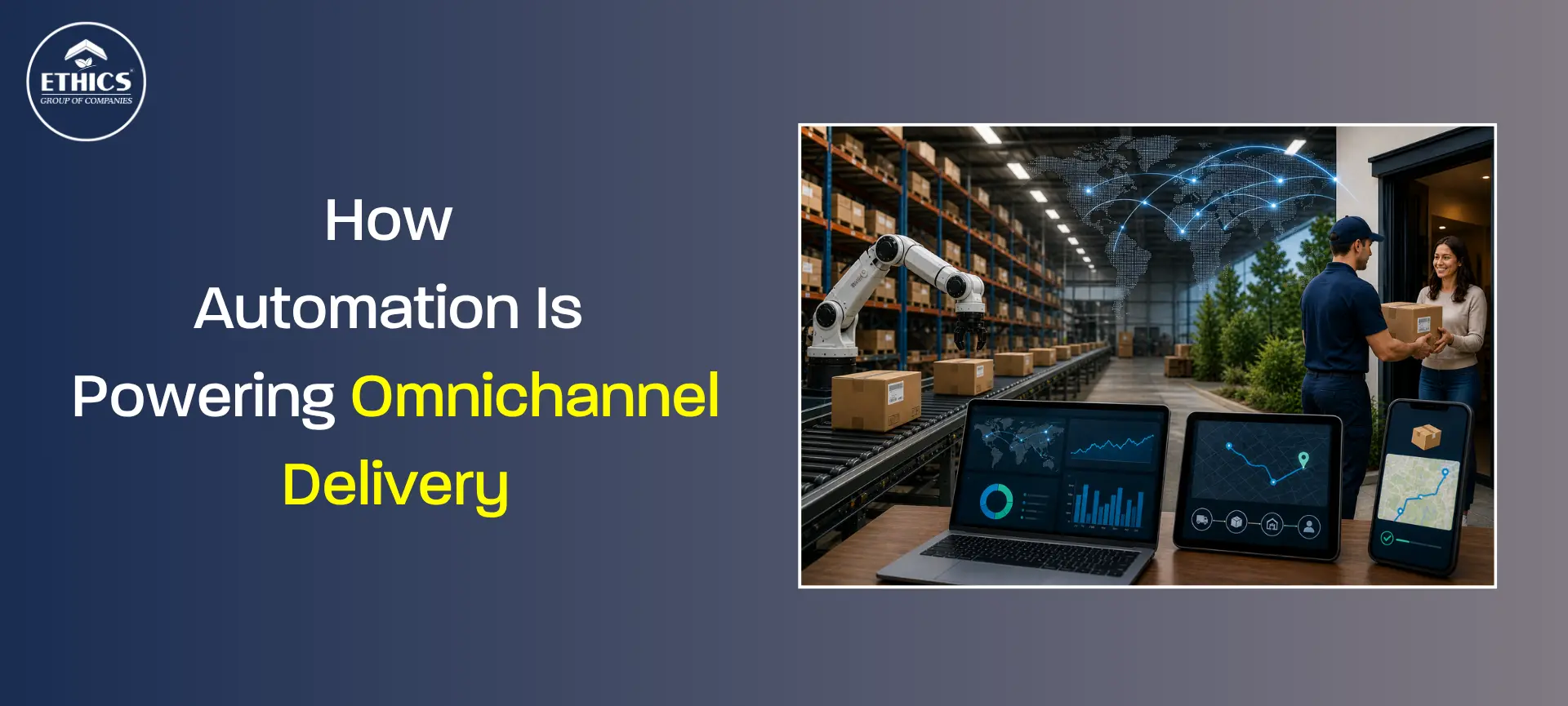
In today’s fast-paced retail environment, speed, accuracy, and cost efficiency are no longer competitive advantages—they are expectations. While much attention is given to last-mile delivery, the real transformation is happening earlier in the supply chain. The first mile to mid-mile journey—from sourcing and warehousing to transportation hubs—is undergoing a major shift driven by automation.
Retailers who invest in automation across these stages are not only reducing operational inefficiencies but also building resilient, scalable supply chains. This blog explores how automation is revolutionizing first-mile to mid-mile logistics and why it is becoming essential for modern retailers.
Understanding First Mile and Mid-Mile in Retail Supply Chains
Before diving into automation, it’s important to understand these critical stages:
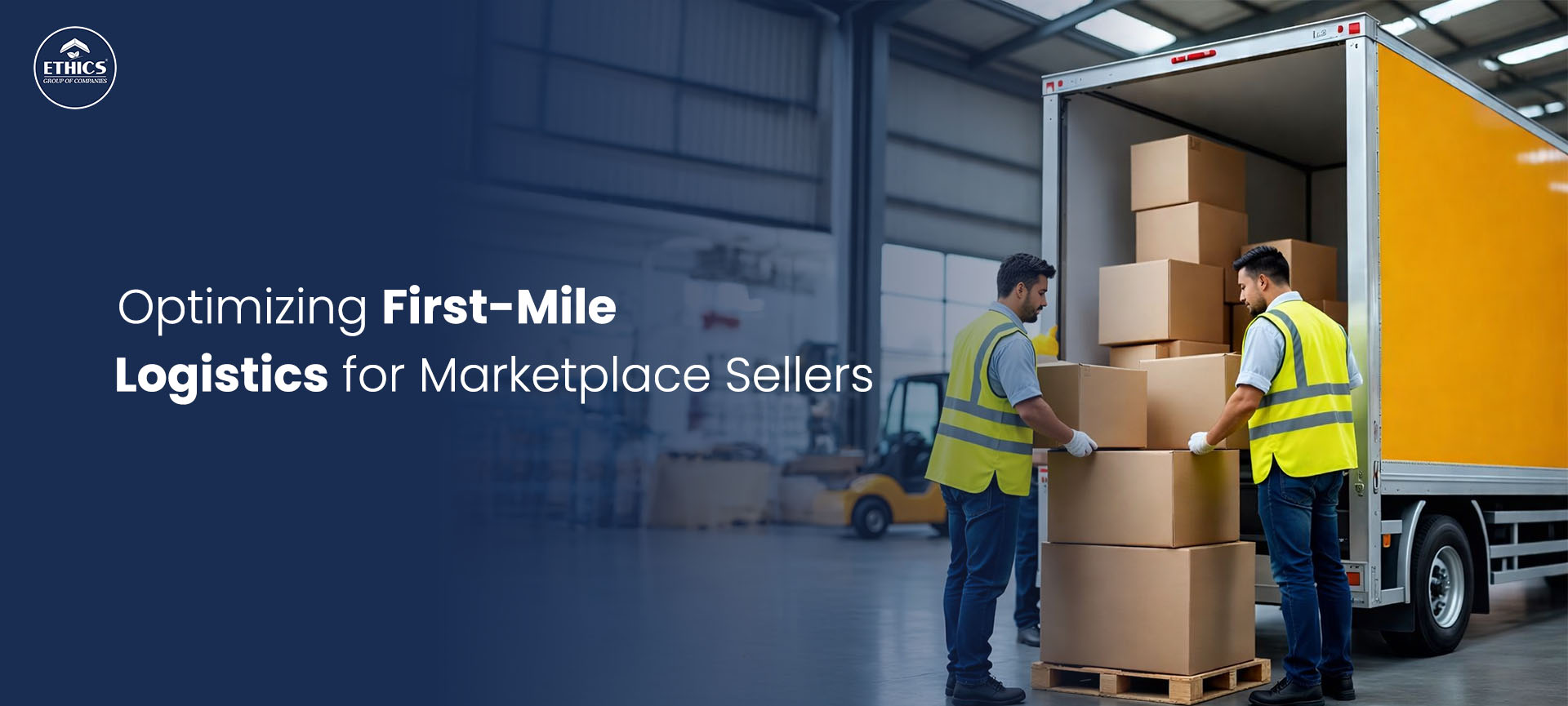
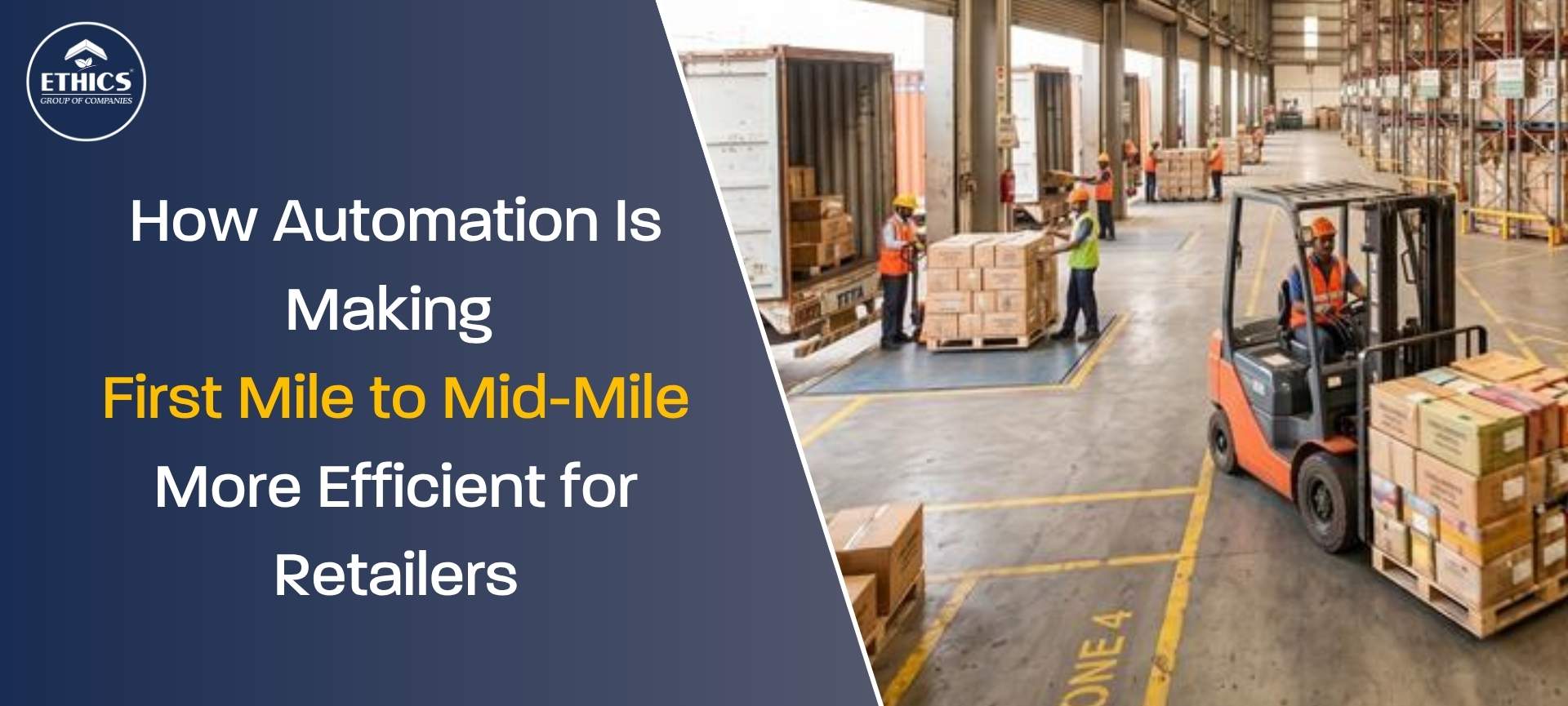
- First Mile: Movement of goods from suppliers or manufacturers to warehouses or distribution centers.
- Mid-Mile: Transportation of goods between warehouses, fulfillment centers, and regional hubs.
These stages are often complex, involving multiple stakeholders, manual processes, and fragmented systems—making them ideal candidates for automation.
Challenges in Traditional First Mile to Mid-Mile Operations
Retailers relying on manual or semi-automated systems often face:
- Lack of real-time visibility
- Inefficient inventory management
- High dependency on human intervention
- Delays due to poor coordination
- Increased operational costs
These inefficiencies can lead to stockouts, overstocking, delayed deliveries, and ultimately, poor customer experience.
How Automation is Transforming First Mile Operations
1. Smart Procurement and Supplier Integration
Automation tools enable seamless integration with suppliers through digital platforms. Retailers can:
- Automate purchase orders
- Track supplier performance
- Predict demand using AI-driven analytics
This reduces dependency on manual communication and improves procurement efficiency.
2. Automated Inventory Management
With technologies like RFID, IoT sensors, and AI:
- Inventory is tracked in real time
- Stock levels are automatically updated
- Replenishment is triggered proactively
This ensures better inventory accuracy and reduces carrying costs.
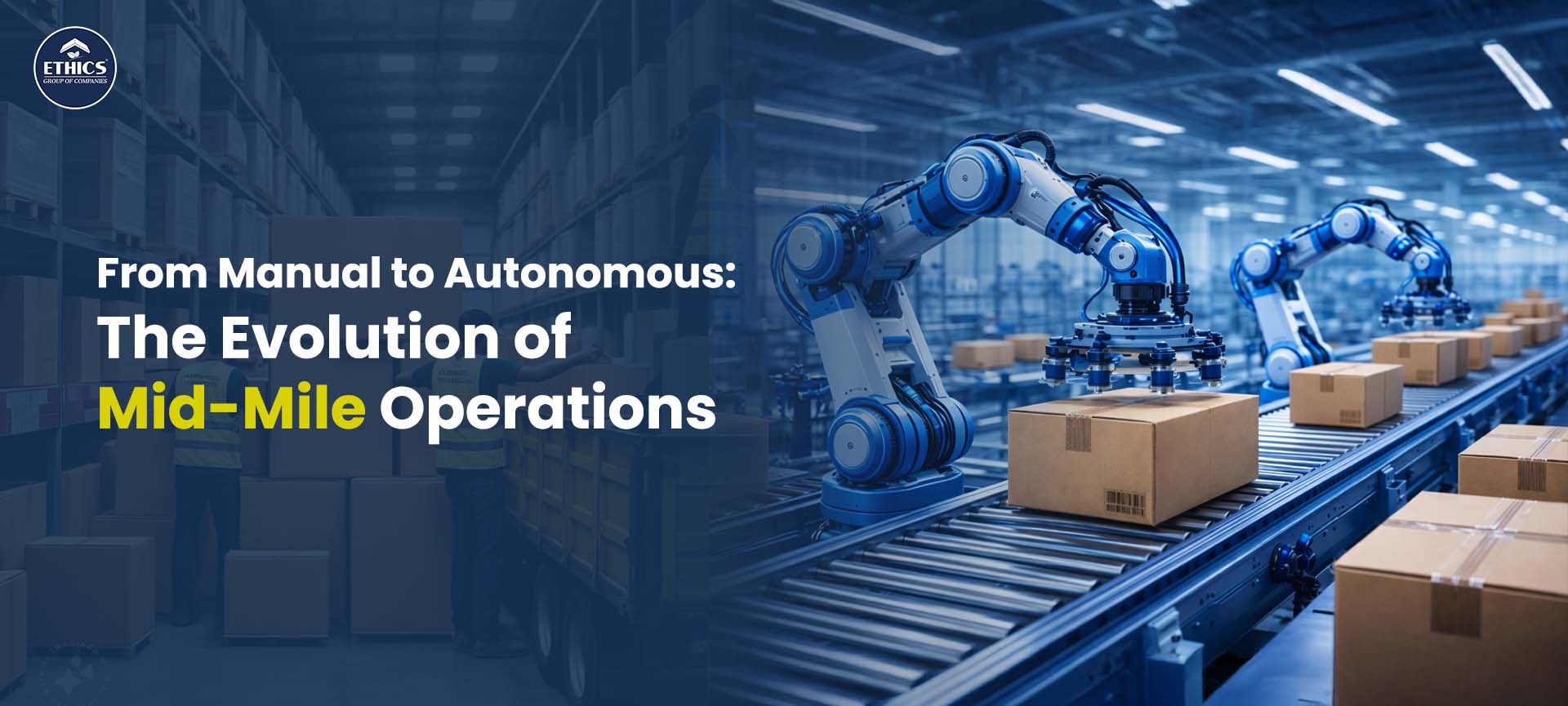
3. Robotics in Warehousing
Automated guided vehicles (AGVs) and robotic picking systems:
- Reduce manual labor
- Improve picking accuracy
- Increase warehouse throughput
Warehouses become faster, safer, and more efficient.
Automation in Mid-Mile Logistics
1. Route Optimization and Fleet Management
AI-powered transportation management systems (TMS):
- Optimize delivery routes
- Reduce fuel consumption
- Improve delivery timelines
This leads to cost savings and improved operational efficiency.
2. Real-Time Shipment Tracking
Automation enables end-to-end visibility:
- GPS and IoT devices track shipments in real time
- Retailers can monitor delays proactively
- Customers receive accurate delivery updates
This enhances transparency across the supply chain.
3. Automated Load Planning
Advanced systems can:
- Optimize truck capacity utilization
- Reduce empty miles
- Improve shipment consolidation
This significantly lowers transportation costs.
Key Benefits of Automation for Retailers
1. Improved Operational Efficiency
Automation reduces manual intervention, minimizes errors, and speeds up processes—leading to faster order fulfillment.
2. Cost Reduction
From labor savings to optimized transportation, automation helps retailers cut costs across multiple touchpoints.
3. Enhanced Visibility and Control
Real-time data allows retailers to make informed decisions, mitigate risks, and respond quickly to disruptions.
4. Scalability
As demand fluctuates, automated systems can easily scale operations without a proportional increase in manpower.
5. Better Customer Experience
Faster deliveries, accurate inventory, and reliable timelines directly impact customer satisfaction and loyalty.
Emerging Technologies Driving Automation
Retailers are increasingly adopting:
- Artificial Intelligence (AI): For demand forecasting and predictive analytics
- Internet of Things (IoT): For real-time tracking and monitoring
- Robotics: For warehouse and material handling automation
- Blockchain: For secure and transparent supply chain transactions
These technologies are creating a connected and intelligent supply chain ecosystem.
Implementation Considerations for Retailers
While automation offers significant benefits, successful implementation requires:
1. Strategic Planning
Identify high-impact areas where automation can deliver maximum ROI.
2. Integration with Existing Systems
Ensure seamless connectivity with ERP, WMS, and other platforms.
3. Workforce Training
Upskill employees to work alongside automated systems.
4. Scalability and Flexibility
Choose solutions that can grow with your business needs.
Future Outlook
The future of retail supply chains lies in hyper-automation—where systems are interconnected, self-learning, and capable of autonomous decision-making. As consumer expectations continue to rise, retailers must embrace automation not as an option but as a necessity.
Conclusion
Automation is redefining how retailers manage their first mile to mid-mile operations. By improving efficiency, reducing costs, and enhancing visibility, it is helping businesses build agile and resilient supply chains.
Retailers who invest in automation today will be better positioned to meet tomorrow’s demands—delivering faster, smarter, and more reliably than ever before.