In today’s competitive e-commerce ecosystem, marketplace sellers are under constant pressure to deliver faster, cheaper, and more reliably. While last-mile delivery often gets the spotlight, the real foundation of operational efficiency lies in first-mile logistics—the journey from the seller’s location to the fulfillment center or distribution hub.
For marketplace sellers working with platforms like Amazon, Flipkart, or omnichannel retail networks, optimizing first-mile logistics is no longer optional—it’s a strategic necessity. A well-structured first-mile process can significantly reduce costs, improve delivery timelines, and enhance customer satisfaction.
This guide explores how businesses can optimize their first-mile logistics to build scalable and efficient supply chain operations.
What is First-Mile Logistics?
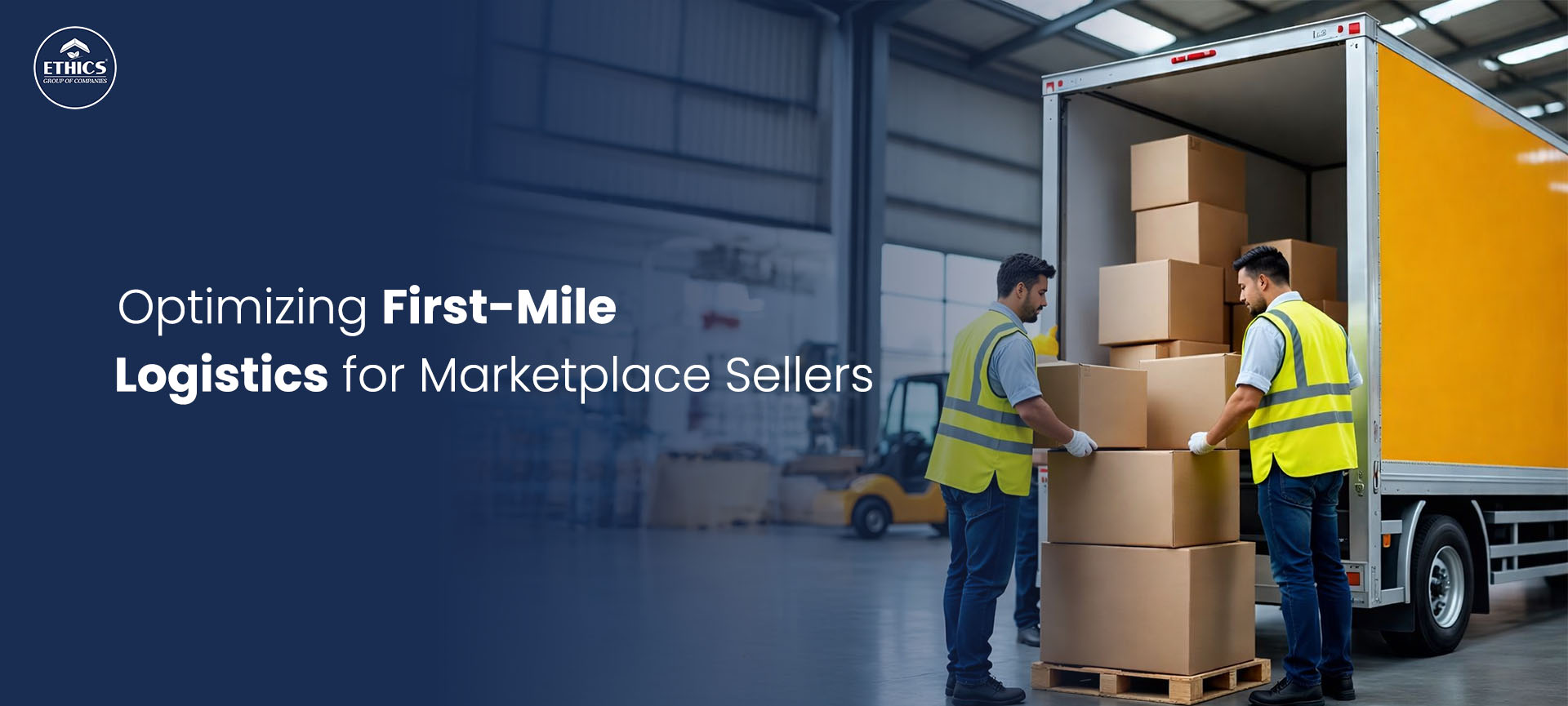
First-mile logistics refers to the initial stage of the supply chain where goods are transported from the seller, manufacturer, or warehouse to a fulfillment center, sorting hub, or distribution network.
This stage typically includes:
- Inventory pickup
- Packaging and labeling
- Transportation to fulfillment centers
- Documentation and compliance
Any inefficiency here directly impacts downstream processes, including warehousing, order fulfillment, and last-mile delivery.
Why First-Mile Optimization Matters for Marketplace Sellers
1. Cost Efficiency
Poor planning in first-mile logistics leads to higher transportation costs, underutilized capacity, and repeated shipments. Optimized routing and consolidation can significantly reduce per-unit logistics costs.
2. Faster Fulfillment Cycles
Efficient first-mile operations ensure that inventory reaches fulfillment centers quickly, enabling faster order processing and delivery timelines.
3. Inventory Visibility
A streamlined first-mile system enhances tracking and visibility, allowing sellers to monitor inventory movement in real time.
4. Improved Seller Ratings
Timely deliveries and consistent fulfillment performance contribute to better seller ratings on marketplaces, directly impacting sales.
Key Challenges in First-Mile Logistics
Despite its importance, many sellers face challenges such as:
- Fragmented supply chain networks
- Lack of real-time tracking systems
- Inefficient route planning
- High dependency on manual processes
- Limited scalability during peak demand
Addressing these challenges requires a strategic and technology-driven approach.
Strategies to Optimize First-Mile Logistics
1. Centralized Inventory Planning
Instead of managing inventory across multiple scattered locations, sellers should focus on centralized or strategically located warehouses. This reduces complexity and improves shipment consolidation.
Best Practice: Use demand forecasting tools to align inventory placement with high-demand regions.
2. Shipment Consolidation
Shipping small quantities frequently increases costs. Consolidating shipments into larger loads improves transportation efficiency and reduces cost per shipment.
Impact:
- Lower freight costs
- Reduced carbon footprint
- Better vehicle utilization
3. Technology Integration
Leveraging digital tools such as Transportation Management Systems (TMS) and Warehouse Management Systems (WMS) can streamline first-mile operations.
Key Features to Look For:
- Real-time tracking
- Automated route optimization
- Digital documentation
- Performance analytics
4. Partnering with Reliable Logistics Providers
Third-party logistics (3PL) providers bring expertise, infrastructure, and scalability. Partnering with an experienced logistics provider ensures smoother operations and better compliance with marketplace requirements.
What to Evaluate:
- Network reach
- Technology capabilities
- Industry experience
- Service-level agreements (SLAs)
5. Route Optimization
Efficient route planning reduces transit time and fuel consumption. Advanced algorithms can help identify the fastest and most cost-effective routes.
Benefits:
- Faster deliveries
- Reduced operational costs
- Improved reliability
6. Standardized Packaging and Labeling
Marketplace platforms have strict packaging and labeling guidelines. Non-compliance can lead to delays or penalties.
Recommendation:
Implement standardized processes to ensure every shipment meets platform requirements.
7. Real-Time Visibility and Tracking
End-to-end visibility is critical for managing supply chain performance. Real-time tracking helps sellers:
- Monitor shipments
- Identify delays
- Improve decision-making
8. Data-Driven Decision Making
Analytics plays a key role in optimizing logistics. By analyzing historical data, sellers can:
- Identify inefficiencies
- Forecast demand
- Optimize routes and schedules
Role of First-Mile Logistics in Omnichannel Growth
As businesses expand into omnichannel retail, first-mile logistics becomes even more complex. Sellers must manage inventory across multiple sales channels while maintaining consistent service levels.
An optimized first-mile strategy ensures:
- Seamless inventory movement across channels
- Faster replenishment cycles
- Improved customer experience
How Ethics Group Supports First-Mile Optimization
At Ethics Group, we understand the complexities of modern supply chains. Our integrated logistics solutions are designed to help marketplace sellers optimize their first-mile operations with:
- End-to-end supply chain visibility
- Advanced technology integration
- Scalable logistics infrastructure
- Customized solutions for diverse industries
With a focus on efficiency, reliability, and innovation, we enable businesses to build resilient and future-ready supply chains.
Conclusion
First-mile logistics is the backbone of efficient supply chain operations for marketplace sellers. By optimizing this critical stage, businesses can unlock significant cost savings, improve delivery timelines, and enhance overall performance.
In an increasingly competitive marketplace environment, companies that invest in first-mile optimization will gain a clear strategic advantage. From leveraging technology to partnering with experienced logistics providers, the right approach can transform logistics from a cost center into a growth enabler.