.jpg)
In my four decades of working across manufacturing, retail distribution, and third-party logistics, one truth has remained constant: retail success is built inside warehouses long before it is seen on store shelves or delivered to customers’ homes.
Today, as omni-channel retail becomes the norm rather than the exception, warehousing has evolved from a passive storage function into a strategic backbone of the entire retail supply chain. Brands that understand modern warehousing grow faster, serve customers better, and remain resilient during disruptions. Those that don’t struggle with stockouts, delayed deliveries, and rising costs.
This article explains what modern warehousing truly means, why it is critical for omni-channel retail, and how retailers should approach it strategically.
What Is Modern Warehousing?
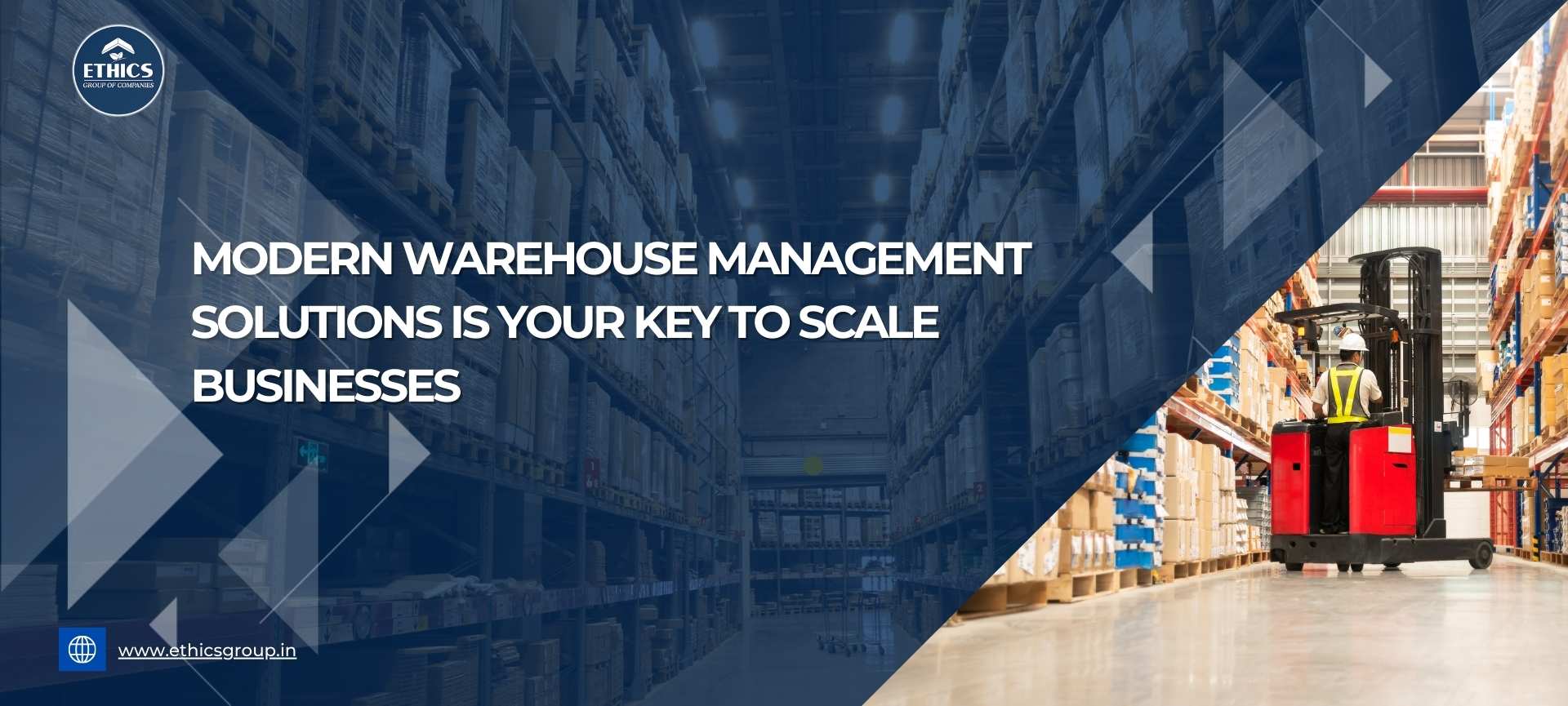
Modern warehousing is no longer about stacking pallets and dispatching bulk orders. It is a technology-enabled fulfillment ecosystem designed to support multiple sales channels simultaneously—physical stores, e-commerce platforms, marketplaces, and quick commerce.
Unlike traditional warehouses, modern warehousing focuses on:
-
Real-time inventory visibility
-
Fast and accurate order fulfillment
-
Integration with digital retail systems
-
Scalability during demand peaks
In simple terms, a modern warehouse is not just a cost center—it is a customer experience engine.
From my experience, retailers who still treat warehouses as static storage facilities eventually pay the price in lost sales and eroded brand trust.
The Evolution of Warehousing in Omni-Channel Retail
Warehousing has transformed significantly over the past 15–20 years.
Earlier, warehouses were built to support predictable, bulk retail flows—large shipments moving from factories to regional distribution centers and then to stores. Order cycles were slow, and customer expectations were modest.
Omni-channel retail changed everything.
Customers now expect:
-
Same-day or next-day delivery
-
Buy online, pick up in store (BOPIS)
-
Easy returns across channels
-
Accurate stock visibility at all times
To meet these expectations, warehousing had to evolve into a dynamic fulfillment hub capable of handling small, frequent, and highly diverse orders.
Retailers that adapted early invested in distributed warehousing models, micro-fulfillment centers, and integrated technology platforms. Those that delayed faced operational chaos during peak seasons.
Core Functions of a Modern Omni-Channel Warehouse
Inventory Visibility Across All Channels
One of the biggest failures I have seen in retail operations is fragmented inventory data. Modern warehousing solves this by maintaining a single, real-time inventory view across stores, warehouses, and online platforms.
This allows retailers to:
-
Prevent overselling
-
Reduce excess inventory
-
Promise accurate delivery timelines
Inventory accuracy is not optional in omni-channel retail—it is foundational.
Order Fulfillment and Last-Mile Readiness
Modern warehouses are designed to process thousands of small, customer-specific orders daily. They support:
-
E-commerce order picking and packing
-
Store replenishment
-
Click-and-collect orders
-
Same-day and next-day dispatch
Efficient fulfillment reduces delivery lead times and directly improves customer satisfaction. In my experience, every hour saved inside the warehouse reflects positively on the customer experience outside.
Reverse Logistics and Returns Management
Returns are an unavoidable reality of omni-channel retail, especially in fashion, electronics, and lifestyle categories.
Modern warehousing includes dedicated processes for:
-
Fast inspection and sorting of returns
-
Repackaging and restocking
-
Reducing inventory write-offs
Retailers who ignore reverse
design often lose margins silently—one returned order at a time.
Technology Powering Modern Warehousing
Technology is the backbone of modern warehousing, but it must be implemented thoughtfully.
Key enablers include:
-
Warehouse Management Systems (WMS): For inventory control, order routing, and process optimization
-
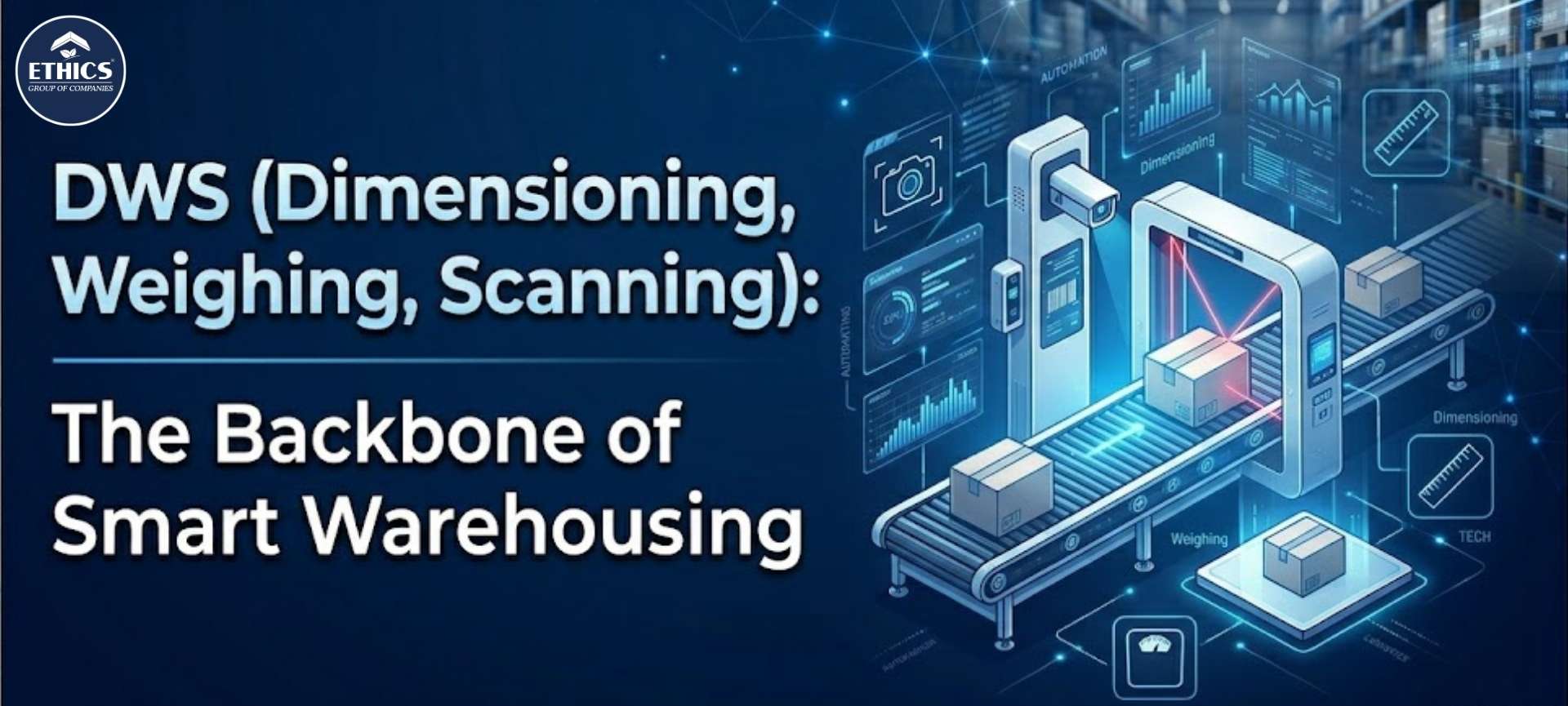
Automation: Conveyors, sortation systems, and autonomous mobile robots for speed and accuracy
-
Data Analytics: Demand forecasting, labor planning, and capacity optimization
-
System Integration: Seamless data flow between ERP, OMS, storefronts, and logistics partners
From hard-earned experience, I can say this clearly: automation without process maturity leads to expensive failures. Technology must follow operational discipline, not replace it.
Strategic Importance of Warehousing for Retail Brands
Warehousing decisions influence nearly every retail KPI—cost, service level, scalability, and profitability.
A well-designed warehousing strategy enables:
-
Faster market expansion
-
Lower fulfillment costs per order
-
Better peak-season preparedness
-
Improved customer retention
Forward-thinking retailers treat warehousing as a boardroom-level strategic asset, not an afterthought delegated only to operations teams.
Common Warehousing Mistakes Retailers Still Make
Despite years of industry learning, many retailers repeat the same mistakes:
-
Over-investing in automation without sufficient volumes
-
Choosing warehouse locations based only on cost, not customer proximity
-
Scaling sales channels without upgrading warehousing capability
-
Viewing warehousing purely as a cost center
In my career, most operational crises could be traced back to poor warehousing decisions made years earlier.
The Future of Modern Warehousing in Omni-Channel Retail
Looking ahead, warehousing will become even more critical as customer expectations rise.
Key trends shaping the future include:
-
AI-driven inventory planning and demand forecasting
-
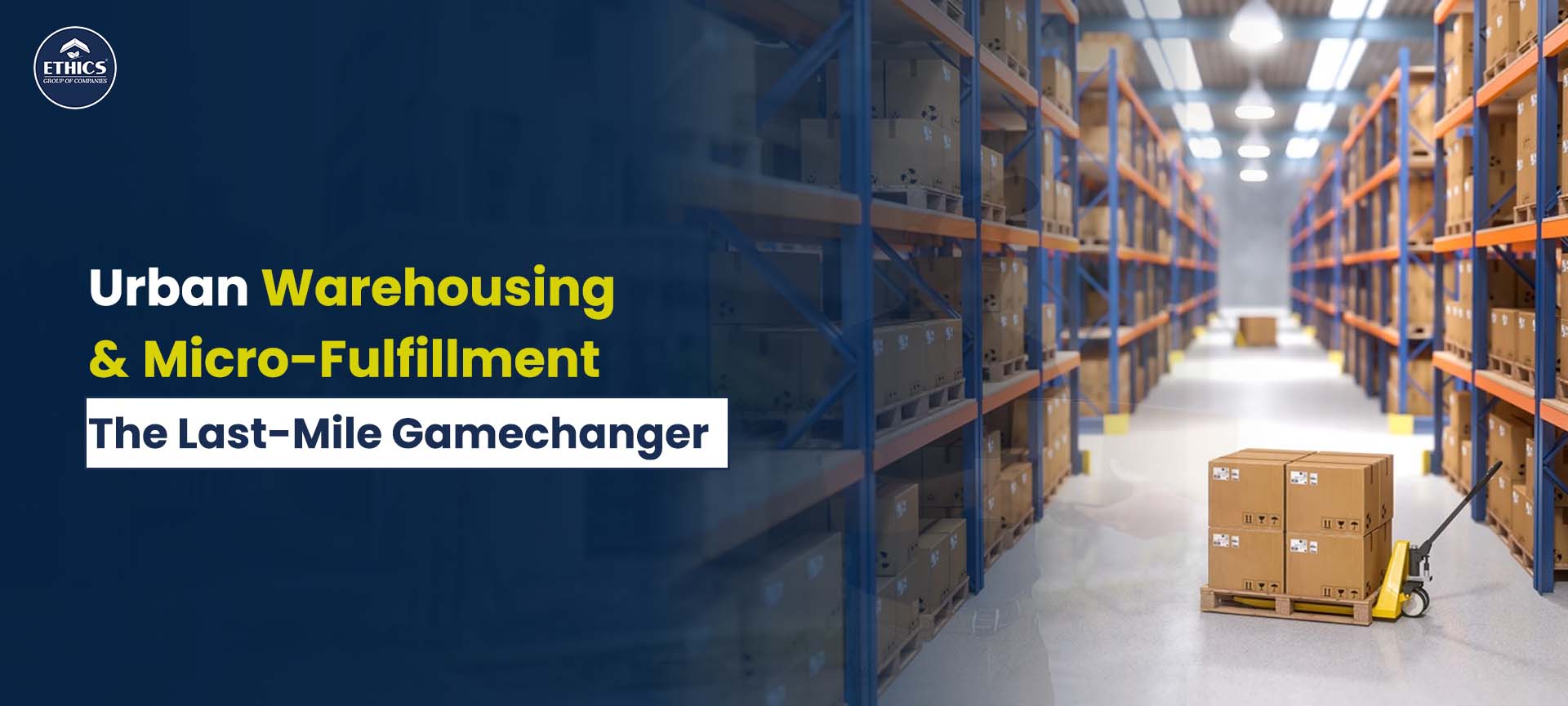
Micro-fulfillment centers closer to urban consumers
-
Sustainable warehouse design and energy efficiency
-
Deeper integration between warehousing and customer experience platforms
Retailers that invest early in flexible, technology-ready warehousing will lead the next phase of omni-channel growth.
Conclusion: Warehousing Is the Real Growth Engine of Retail
After decades in supply chain leadership, one conclusion stands firm: a successful omni-channel retail business cannot be built on weak warehousing foundations. Modern warehousing is no longer a backend function—it is the operational core that determines speed, accuracy, scalability, and customer trust.
At Ethics Group, warehousing is approached not merely as infrastructure, but as a strategic enabler of retail growth. By integrating technology, process discipline, and sector-specific expertise, Ethics Group helps brands build resilient, future-ready warehousing networks that support omni-channel expansion without compromising efficiency or service quality.
In today’s competitive retail landscape, companies that invest thoughtfully in modern warehousing will lead the market. Those that delay will struggle to keep pace. Simply put, the warehouse is no longer behind the scenes—it is at the very heart of omni-channel retail success.