
As supply chains become more complex, businesses are increasingly outsourcing logistics activities to specialized partners. Manufacturers, retailers, e-commerce companies, FMCG brands, and enterprises need more than transportation and warehousing; they need visibility, flexibility, technology, and reliable execution.
This makes the decision between 3PL vs 4PL important for supply chain leaders.
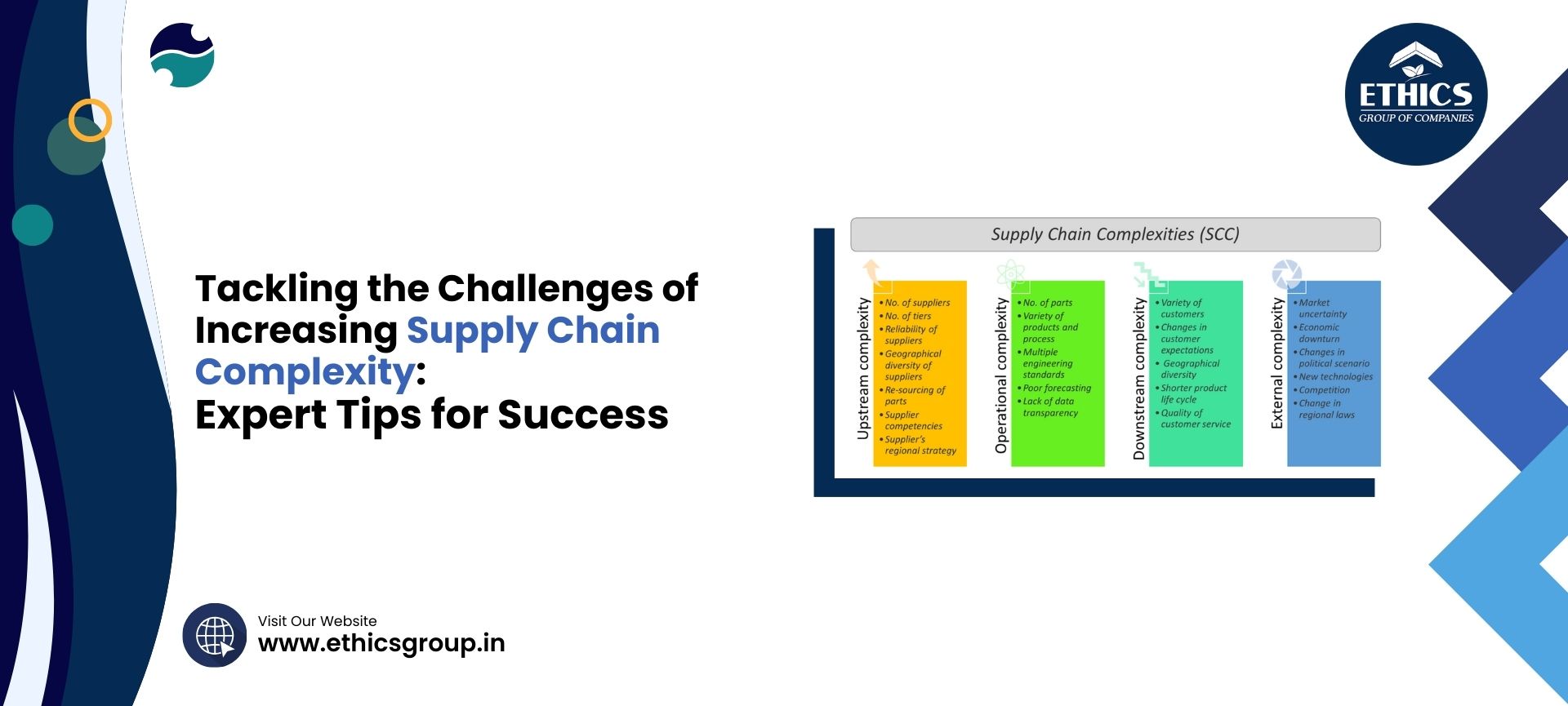
A Third-Party Logistics (3PL) provider generally manages operational activities such as transportation, warehousing, fulfillment, and distribution. A Fourth-Party Logistics (4PL) provider operates at a broader level, coordinating multiple logistics providers, technology systems, and supply chain resources.
Neither model is universally better. The right choice depends on the complexity of your operations, internal capabilities, geographic coverage, technology requirements, and long-term business objectives.
What Is a 3PL?
A 3PL, or Third-Party Logistics provider, manages specific logistics functions on behalf of a business.
Depending on the agreement, services may include:
-
Warehousing
-
Transportation
-
Order fulfillment
-
Inventory handling
-
Distribution
-
Packaging and labeling
-
Last-mile delivery
-
Shipment tracking
-
Reverse logistics
A 3PL effectively becomes an extension of the company's logistics team.
For example, an e-commerce business may outsource warehouse operations, order processing, and transportation while retaining control over procurement, demand forecasting, product strategy, and customer relationships.
A third party logistics provider India can also help companies expand into new markets by providing access to existing infrastructure, operational teams, transportation networks, and local expertise.
What Is a 4PL?
A 4PL, or Fourth-Party Logistics provider, takes a broader strategic and coordination role.
Rather than focusing primarily on executing individual logistics activities, a 4PL can manage and optimize an entire logistics ecosystem involving multiple providers, warehouses, transportation modes, and technology platforms.
Typical 4PL responsibilities may include:
-
Supply chain strategy
-
Network optimization
-
Multi-provider coordination
-
Technology integration
-
Performance management
-
Logistics analytics
-
Cost optimization
-
Continuous improvement
In simple terms, a 3PL generally executes logistics activities, while a 4PL focuses more on orchestrating and optimizing the overall supply chain.
The exact scope varies by provider and contract, so businesses should always evaluate the actual services being offered rather than relying only on the 3PL or 4PL label.
3PL vs 4PL: Key Differences
|
Factor |
3PL |
4PL |
|
Primary role |
Logistics execution |
Supply chain orchestration |
|
Warehousing |
Usually manages operations |
Coordinates resources/providers |
|
Transportation |
Executes or manages movements |
Optimizes multiple providers |
|
Technology |
Supports operations |
Integrates multiple systems |
|
Strategic planning |
Moderate |
High |
|
Provider management |
Usually limited |
Core responsibility |
|
Network optimization |
Operational |
Network-wide |
|
Best suited for |
Defined logistics requirements |
Complex supply chains |
The key difference is therefore the level of responsibility and strategic involvement.
When Should a Business Choose a 3PL?
A 3PL is often suitable when a company needs reliable operational execution without developing all logistics capabilities internally.
Faster Expansion
Companies entering new cities or regions may not want to invest immediately in warehouses, vehicles, equipment, and logistics teams. A 3PL can provide access to existing infrastructure and operational resources.
Logistics Is Not the Core Business
Manufacturers and retailers may prefer to concentrate on production, procurement, sales, and customer acquisition. Outsourced logistics allows them to transfer selected operational responsibilities to a specialist.
Warehousing and Fulfillment Requirements
A 3PL can manage receiving, storage, picking, packing, dispatch, and transportation coordination, helping businesses manage fluctuating order volumes.
Operational Flexibility
Depending on the commercial model, outsourcing can provide greater flexibility than building and maintaining a fully owned logistics infrastructure.
When Should a Business Consider a 4PL?
A 4PL becomes more relevant when supply chain complexity extends across several providers, facilities, systems, and transportation networks.
For example, a large enterprise may work with multiple warehouse operators, transport companies, technology platforms, and regional logistics partners. Coordinating these independently can become difficult.
A 4PL can provide a central layer for:
-
Provider coordination
-
Network planning
-
Performance monitoring
-
Technology integration
-
Cost analysis
-
Exception management
-
Continuous improvement
Businesses with geographically complex networks or ambitious supply chain transformation programs may therefore benefit from the broader orchestration capabilities of a 4PL.
Cost Considerations: 3PL vs 4PL
The cheapest logistics provider is not necessarily the provider that delivers the lowest total supply chain cost.
A business may negotiate competitive transportation rates but still experience high costs because of inefficient warehouse locations, poor inventory positioning, low vehicle utilization, disconnected technology, or excessive handling.
A 3PL can be highly cost-effective when the primary requirement is efficient logistics execution.
A 4PL may create additional strategic value when network complexity is high and the business needs continuous optimization across multiple providers.
The decision should therefore consider:
-
Transportation cost
-
Warehouse cost
-
Inventory carrying cost
-
Technology cost
-
Handling expenses
-
Service-level performance
-
Administrative effort
-
Cost of delays and exceptions
3PL vs 4PL for E-Commerce and Retail
E-commerce and retail businesses face rapidly changing demand, shorter delivery expectations, and increasingly distributed inventory networks.
Businesses using Micro-fulfillment / dark stores may require highly coordinated inventory, fulfillment, and transportation operations.
A 3PL can manage warehouse operations, order processing, transportation, and delivery.
A 4PL can coordinate multiple fulfillment centers, transportation providers, technology platforms, and inventory flows across the wider network.
For a growing retailer with limited logistics complexity, a 3PL may be sufficient. A large enterprise operating multiple warehouses and logistics partners may benefit from a 4PL approach.
How to Select the Right Logistics Partner
Before selecting a logistics model, businesses should assess their operational requirements.
Choose a 3PL when:
-
You primarily need logistics execution.
-
You require warehousing or transportation support.
-
Your network is relatively straightforward.
-
You want to scale without building infrastructure.
-
Your internal team wants to retain strategic control.
Consider a 4PL when:
-
You manage multiple logistics providers.
-
Your network is geographically complex.
-
You need centralized logistics governance.
-
You require integrated data and analytics.
-
You want continuous network optimization.
-
Your internal team lacks the resources to coordinate the complete logistics ecosystem.
In some cases, a hybrid model can also be effective, with a strategic partner coordinating several operational logistics providers.
Future of Logistics Partnerships
The logistics industry is moving toward greater integration between physical infrastructure, digital platforms, analytics, automation, and supply chain strategy.
A multimodal logistics company can support businesses that require coordinated transportation and distribution capabilities across different modes and locations.
Future logistics partnerships are likely to focus increasingly on:
-
Real-time visibility
-
Predictive analytics
-
Automated exception management
-
Network optimization
-
Technology integration
-
Flexible fulfillment
-
Performance-based management
-
Data-driven decision-making
The distinction between traditional logistics execution and strategic supply chain management will continue to evolve.
Conclusion
The decision between 3PL vs 4PL should be based on the complexity, scale, and strategic requirements of your supply chain.
A 3PL is generally appropriate when the primary need is reliable execution across warehousing, transportation, fulfillment, and distribution. A 4PL becomes more relevant when a business needs strategic orchestration across multiple providers, systems, facilities, and logistics activities.
There is no universal winner. The right model is the one that provides the appropriate balance of cost, control, technology, scalability, visibility, and operational expertise.
For businesses evaluating their logistics strategy, Ethics Group can be considered within a broader assessment of how logistics execution, fulfillment, technology, and supply chain capabilities should work together.