In today’s fast-moving commerce environment, customer expectations are evolving rapidly. Fast deliveries are no longer enough — customers now demand an equally smooth and hassle-free returns experience. As e-commerce, retail, and omnichannel businesses continue to expand, reverse logistics has become one of the most critical components of modern supply chain management.
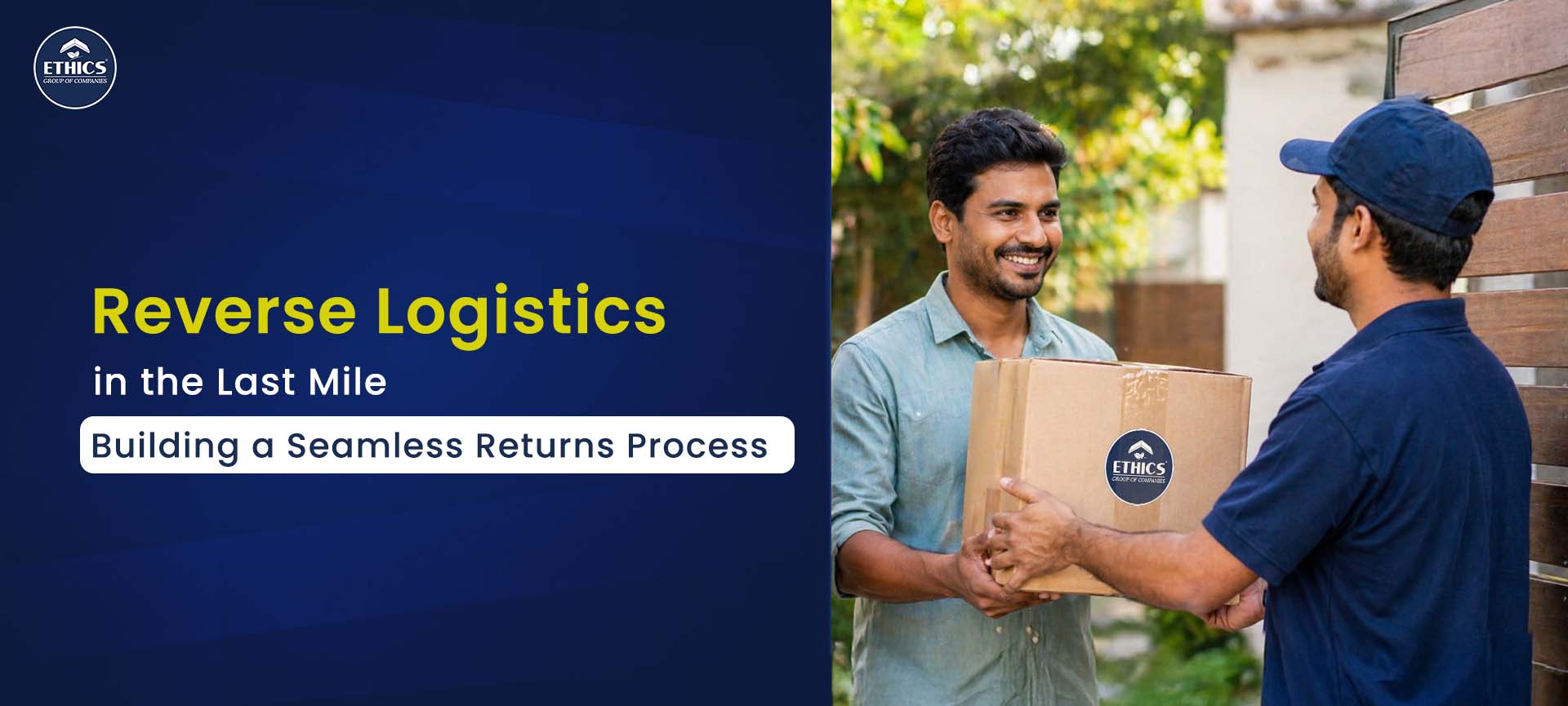
Reverse logistics in the last mile focuses on the movement of goods from customers back to the seller, warehouse, or manufacturer. Whether it is a damaged product, incorrect shipment, replacement request, or recycling process, businesses must manage returns efficiently to maintain customer trust and operational profitability.
For enterprises handling large-scale order fulfillment, building a seamless returns process is no longer optional — it is a strategic necessity.
Understanding Reverse Logistics in the Last Mile
Reverse logistics refers to the process of transporting goods backward through the supply chain. Unlike traditional logistics, which focuses on delivering products to customers, reverse logistics handles returns, repairs, refurbishments, recycling, and product disposal.
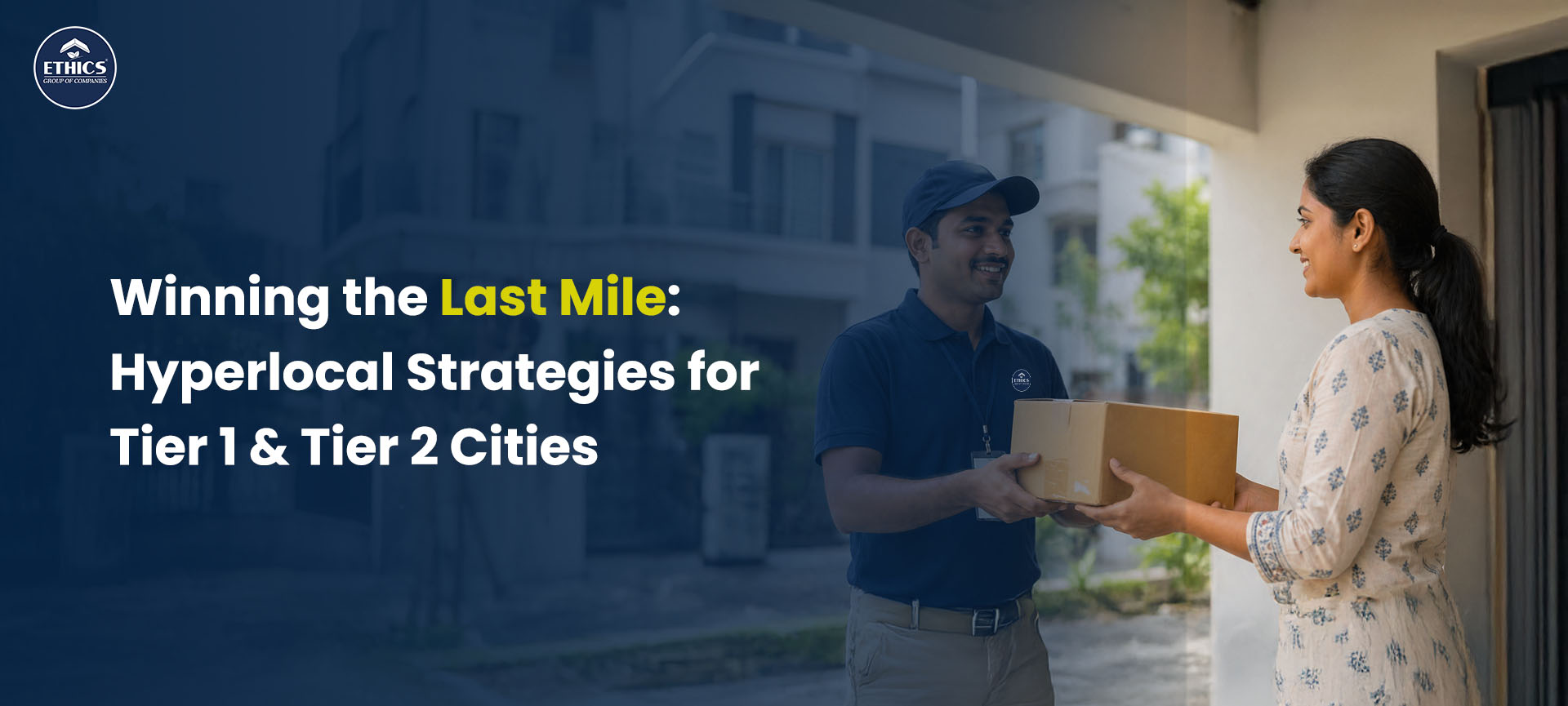
The last mile plays a crucial role in this process because it directly impacts customer experience. A delayed pickup, poor communication, or complicated return procedure can negatively affect brand loyalty and repeat purchases.
Modern businesses are now investing heavily in optimized reverse logistics systems to improve efficiency, reduce operational costs, and strengthen customer relationships.
Why Reverse Logistics Matters More Than Ever
The rise of online shopping and quick commerce has significantly increased return volumes across industries. Fashion, electronics, FMCG, pharmaceuticals, and consumer goods sectors are experiencing growing pressure to manage returns efficiently.
A well-structured reverse logistics strategy offers several advantages:
1. Improved Customer Experience
Customers prefer brands that provide easy return and refund policies. A smooth returns process builds trust and encourages repeat business. Transparent communication, quick pickups, and faster refunds contribute to a positive customer journey.
2. Cost Optimization
Inefficient returns management can increase transportation costs, inventory losses, and warehouse inefficiencies. Streamlined reverse logistics helps businesses minimize unnecessary expenses and optimize operational workflows.
3. Better Inventory Recovery
Returned products are valuable assets. With proper inspection, refurbishment, and reprocessing systems, businesses can recover product value and reduce waste.
4. Sustainability and Environmental Responsibility
Sustainable reverse logistics practices such as recycling, repair, and product reuse support environmental goals while reducing landfill waste. Businesses adopting green logistics strategies also strengthen their brand reputation.
Key Challenges in Last Mile Reverse Logistics
While reverse logistics offers multiple benefits, managing returns effectively remains a complex task for many organizations.
High Transportation Costs
Unlike forward logistics, return pickups are often fragmented and unpredictable. Managing multiple pickup locations increases transportation and operational expenses.
Lack of Visibility
Many businesses struggle with real-time tracking and visibility during the returns process. Without accurate tracking systems, delays and miscommunication become common.
Inventory Management Issues
Returned products must be inspected, categorized, and routed correctly. Improper inventory handling can result in stock inaccuracies and revenue loss.
Customer Expectations
Today’s customers expect instant updates, flexible pickup schedules, and faster refunds. Failure to meet these expectations can negatively impact customer satisfaction.
Complex Supply Chain Coordination
Reverse logistics requires coordination between customers, delivery partners, warehouses, retailers, and manufacturers. Managing these multiple touchpoints efficiently is a major operational challenge.
Building a Seamless Returns Process
To create an effective reverse logistics framework, businesses must focus on technology, operational efficiency, and customer-centric strategies.
1. Simplify the Returns Policy
A clear and transparent returns policy helps reduce customer confusion. Businesses should provide straightforward guidelines regarding return eligibility, timelines, refund procedures, and pickup options. Simple policies improve customer confidence and reduce support queries.
2. Enable Real-Time Tracking
Technology-driven tracking systems provide complete visibility into return shipments. Customers should receive live status updates from pickup initiation to refund completion. Real-time visibility also helps businesses monitor operational bottlenecks and improve decision-making.
3. Optimize Last Mile Pickup Operations
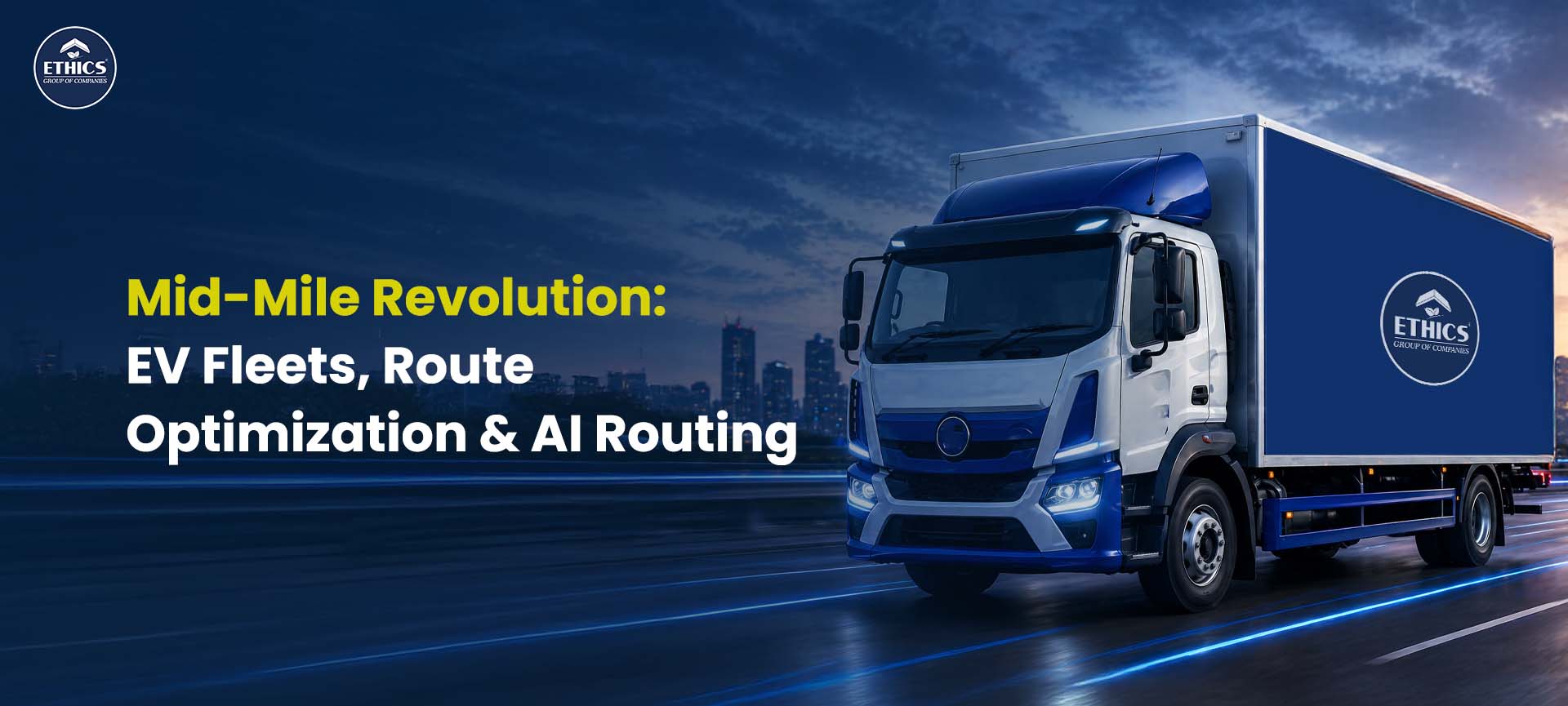
Efficient pickup scheduling and route optimization are essential for reducing transportation costs. Businesses can leverage AI-driven route planning and centralized logistics management systems to streamline return pickups. Consolidated pickups and smart routing improve fleet utilization and reduce delivery turnaround times.
4. Automate Return Processing
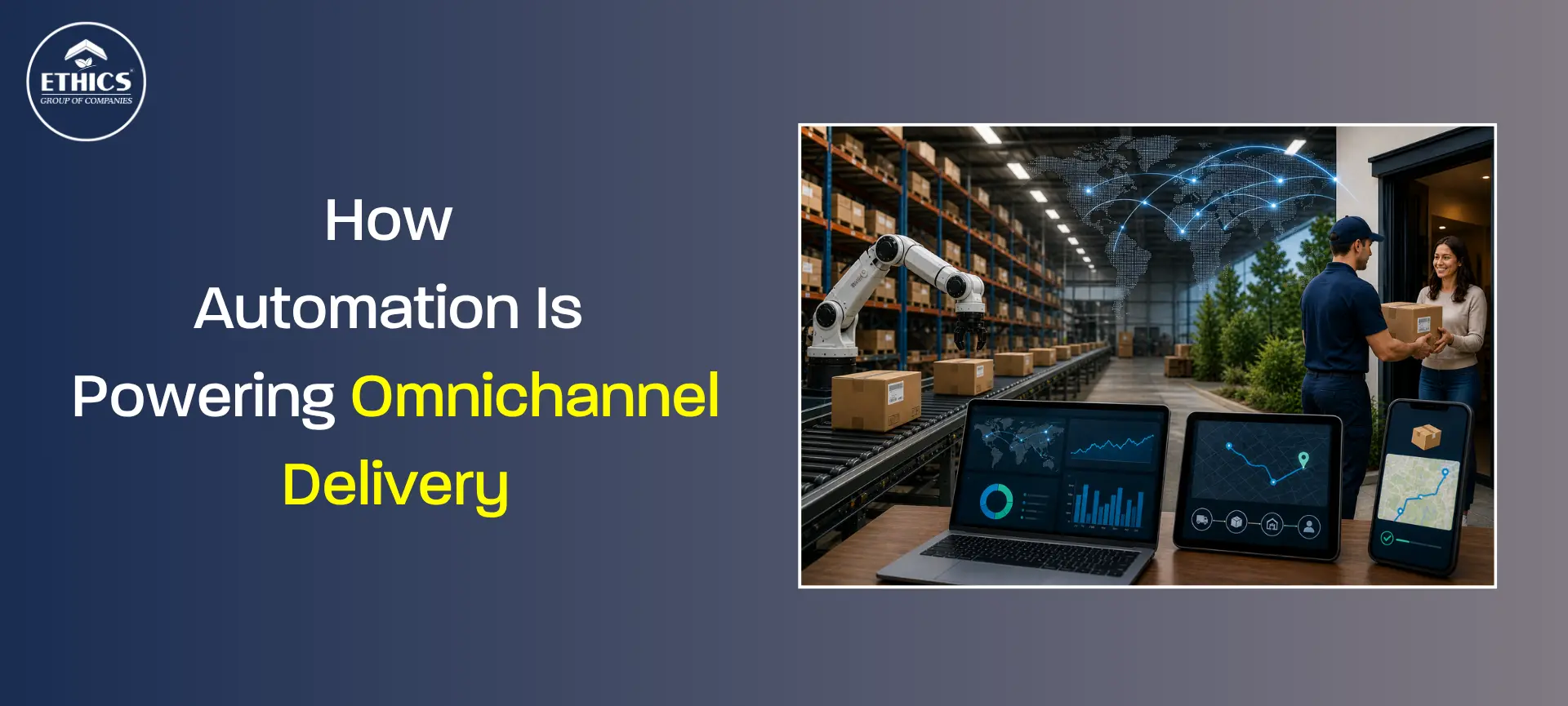
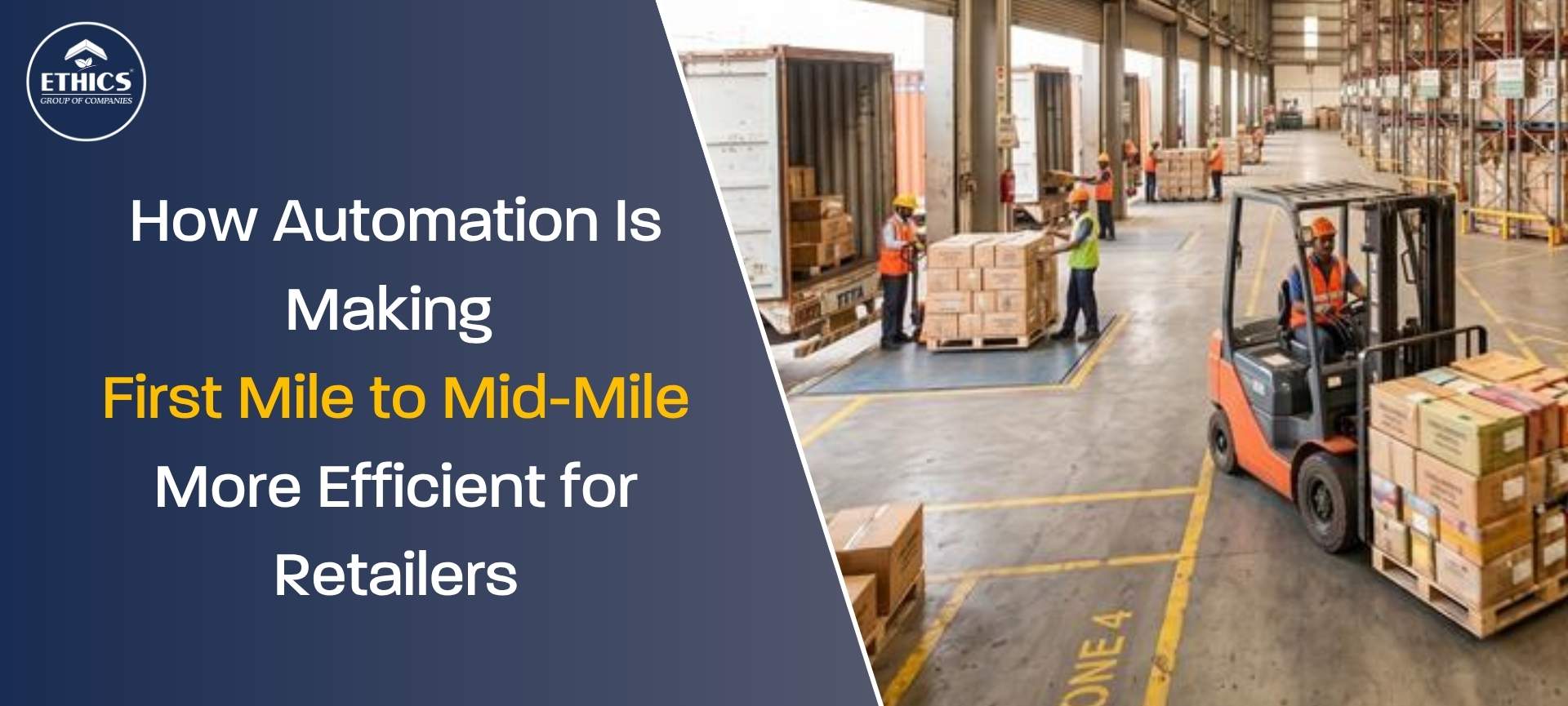
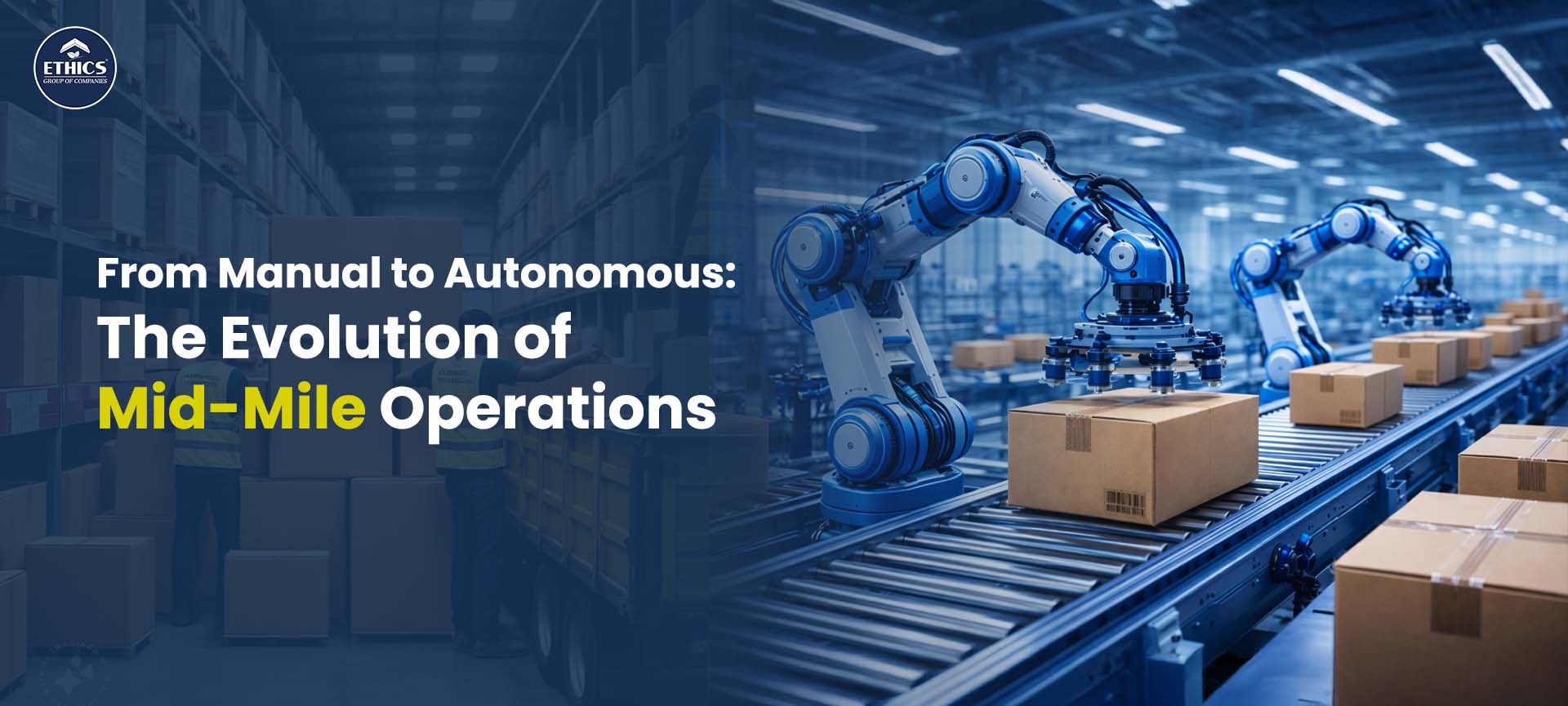
Automation helps speed up inspection, sorting, and inventory reconciliation processes. Warehouse management systems (WMS) and barcode scanning technologies can significantly reduce manual errors. Automated workflows improve operational efficiency and enhance scalability during high return periods.
5. Establish Regional Return Centers
Setting up localized return hubs or micro-fulfillment centers reduces transit time and transportation expenses. Regional processing centers also enable faster product inspection and redistribution.
This approach is particularly beneficial for businesses operating across multiple cities and states.
6. Focus on Data Analytics
Return data provides valuable insights into customer behavior, product quality, and operational inefficiencies. Businesses can use analytics to identify common return reasons and improve product quality or packaging standards.
Predictive analytics also helps organizations forecast return volumes and optimize resource planning.
Role of Technology in Reverse Logistics
Technology has transformed reverse logistics from a reactive process into a strategic supply chain function.
Artificial Intelligence and Automation
AI-powered systems help optimize routing, demand forecasting, and inventory management. Automation reduces human intervention and accelerates return processing cycles.
IoT and Real-Time Visibility
Internet of Things (IoT) devices provide real-time shipment tracking and monitoring. Businesses gain better visibility across the entire returns lifecycle.
Cloud-Based Supply Chain Platforms
Integrated supply chain platforms enable seamless communication between logistics providers, warehouses, retailers, and customers. Centralized systems improve coordination and operational transparency.
Warehouse Management Systems
Advanced warehouse management solutions streamline sorting, inspection, and product disposition processes. Efficient warehouse operations directly improve reverse logistics performance.
Reverse Logistics and Sustainability
Sustainability is becoming a major priority in modern supply chain operations. Businesses are increasingly focusing on circular economy practices where products are repaired, reused, refurbished, or recycled instead of discarded.
Efficient reverse logistics supports sustainability by:
- Reducing product waste
- Lowering carbon emissions
- Minimizing landfill impact
- Encouraging product lifecycle extension
- Supporting environmentally responsible operations
Organizations adopting sustainable logistics practices not only reduce operational costs but also strengthen their brand positioning in competitive markets.
The Future of Reverse Logistics
As customer expectations continue to evolve, reverse logistics will become an even more important component of supply chain strategy. Businesses that invest in digital transformation, automation, and customer-centric return experiences will gain a significant competitive advantage.
The future of reverse logistics will be driven by:
- AI-powered logistics optimization
- Hyperlocal return hubs
- Sustainable transportation models
- Predictive analytics
- Smart warehouse automation
- Omnichannel return integration
Companies that proactively strengthen their reverse logistics infrastructure will be better positioned to improve operational agility and long-term customer loyalty.
Conclusion
Reverse logistics in the last mile is no longer just a support function — it is a core business strategy that directly impacts customer satisfaction, operational efficiency, and profitability.
A seamless returns process helps businesses build stronger customer relationships while reducing logistics costs and improving inventory recovery. By leveraging advanced technology, optimized transportation networks, and sustainable supply chain practices, organizations can transform reverse logistics into a competitive advantage.
As industries continue to embrace digital commerce and omnichannel operations, businesses must prioritize efficient reverse logistics systems to remain agile, scalable, and customer-focused in an increasingly competitive market.
For enterprises looking to strengthen supply chain performance, investing in modern reverse logistics capabilities is the key to building resilient and future-ready operations.