The rapid growth of e-commerce, changing consumer expectations, and the demand for faster deliveries have redefined supply chain strategies across industries. Today, businesses are no longer competing only on product or price—they are competing on speed and convenience.
This is where urban warehousing and micro-fulfillment emerge as transformative solutions. By bringing inventory closer to end consumers, these models are revolutionizing last-mile logistics, reducing delivery timelines, and enhancing customer satisfaction.
For organizations aiming to stay competitive in a fast-moving market, adopting these strategies is no longer optional—it’s a strategic necessity.
What is Urban Warehousing?
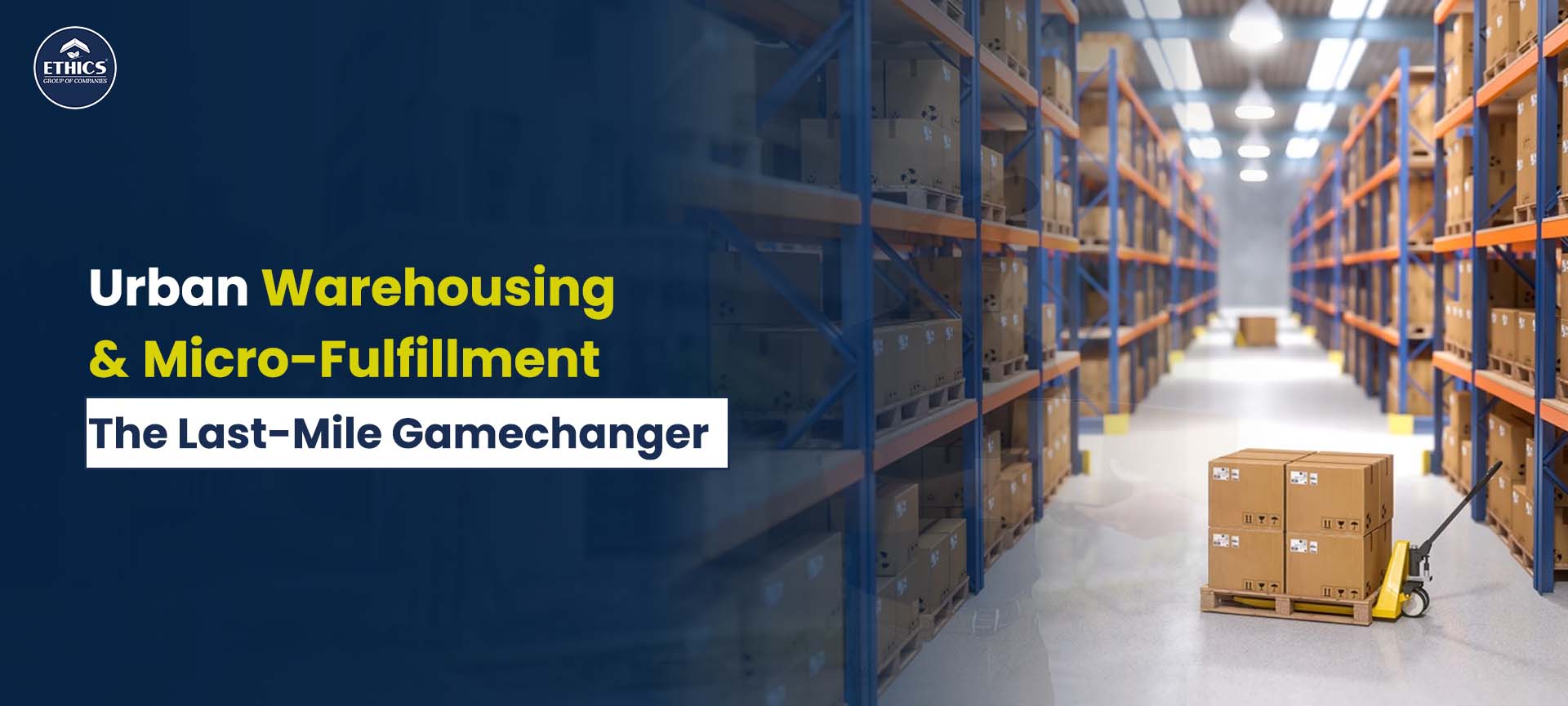
Urban warehousing refers to the establishment of storage and distribution facilities within city limits or near high-demand urban areas. Unlike traditional large warehouses located on city outskirts, urban warehouses are strategically positioned closer to customers.
Key Characteristics:
- Located in high-density urban zones
- Smaller in size compared to traditional warehouses
- Designed for rapid order processing and dispatch
- Integrated with last-mile delivery networks
These warehouses act as localized distribution hubs, enabling businesses to fulfill orders faster and more efficiently.
Understanding Micro-Fulfillment
Micro-fulfillment centers (MFCs) are compact, highly automated facilities designed to process online orders quickly, often within hours.
Key Features:
- Automation-driven picking and packing systems
- High storage density in limited space
- Seamless integration with e-commerce platforms
- Optimized for high-frequency, low-volume orders
Micro-fulfillment is especially effective for industries such as:
- E-commerce
- Grocery & FMCG
- Pharmaceuticals
- Retail chains
Why Urban Warehousing & Micro-Fulfillment Matter
1. Faster Deliveries (Same-Day / Next-Day)
Consumers now expect deliveries within hours. Urban warehousing enables hyperlocal fulfillment, significantly reducing delivery timelines.
2. Reduced Last-Mile Costs
Last-mile delivery is one of the most expensive segments in the supply chain. By positioning inventory closer to customers, businesses can:
- Reduce transportation distances
- Lower fuel costs
- Improve route efficiency
3. Enhanced Customer Experience
Faster delivery, real-time tracking, and reliable fulfillment directly improve customer satisfaction and brand loyalty.
4. Improved Inventory Management
Micro-fulfillment centers use advanced systems to:
- Track inventory in real time
- Reduce stockouts
- Optimize replenishment cycles
Key Benefits for Businesses
1. Increased Operational Efficiency
Automation in micro-fulfillment centers reduces manual intervention, leading to:
- Faster order processing
- Lower error rates
- Improved productivity
2. Scalability
Urban warehouses allow businesses to scale operations quickly by:
- Adding multiple micro-fulfillment nodes
- Expanding into new urban markets
3. Competitive Advantage
Companies adopting urban warehousing can offer:
- Same-day delivery
- Faster returns processing
- Better service reliability
This creates a significant edge over competitors relying on traditional logistics models.
Challenges to Consider
While the benefits are substantial, businesses must address certain challenges:
1. High Real Estate Costs
Urban spaces are expensive, making warehouse setup cost-intensive.
2. Operational Complexity
Managing multiple small facilities requires:
- Advanced technology systems
- Skilled workforce
- Efficient coordination
3. Technology Investment
Automation and inventory management systems demand upfront investment, but they deliver long-term ROI.
Role of Technology in Micro-Fulfillment
Technology is the backbone of successful micro-fulfillment strategies.
Key Technologies Include:
- Warehouse Management Systems (WMS)
- Artificial Intelligence (AI) for demand forecasting
- Robotics and automated picking systems
- Data analytics for inventory optimization
These technologies ensure:
- Faster processing
- Accurate order fulfillment
- Reduced operational costs
Industry Use Cases
E-commerce
E-commerce companies use urban warehouses to enable same-day delivery, meeting rising consumer expectations.
Grocery & FMCG
Micro-fulfillment centers help grocery retailers manage high-frequency orders and deliver within hours.
Pharmaceuticals
Urban warehousing ensures quick access to critical medicines, improving healthcare delivery.
Retail Chains
Retailers leverage micro-fulfillment to support both online and offline channels, creating a seamless omnichannel experience.
Future of Urban Warehousing & Micro-Fulfillment
The future of logistics is decentralized, technology-driven, and customer-centric.
Key trends include:
- Increased adoption of automation and robotics
- Growth of dark stores and hyperlocal hubs
- Integration with smart city infrastructure
- Expansion of quick commerce (10–30 minute deliveries)
Businesses that invest early in these models will be better positioned to adapt to evolving market demands.
How Ethics Group Enables Last-Mile Excellence
At Ethics Group, we understand the complexities of modern supply chains and the critical role of last-mile delivery. Our end-to-end logistics solutions are designed to help businesses:
- Establish strategically located urban warehouses
- Implement micro-fulfillment strategies
- Optimize inventory and distribution networks
- Leverage advanced technology for operational efficiency
With a strong focus on reliability, scalability, and innovation, we empower businesses to transform their logistics operations and deliver superior customer experiences.
Conclusion
Urban warehousing and micro-fulfillment are not just trends—they are game-changing strategies shaping the future of supply chains.
By bringing inventory closer to customers, leveraging automation, and optimizing last-mile delivery, businesses can achieve:
- Faster deliveries
- Lower costs
- Higher customer satisfaction
In a world where speed defines success, adopting these solutions is the key to staying ahead in an increasingly competitive marketplace.
.jpg)