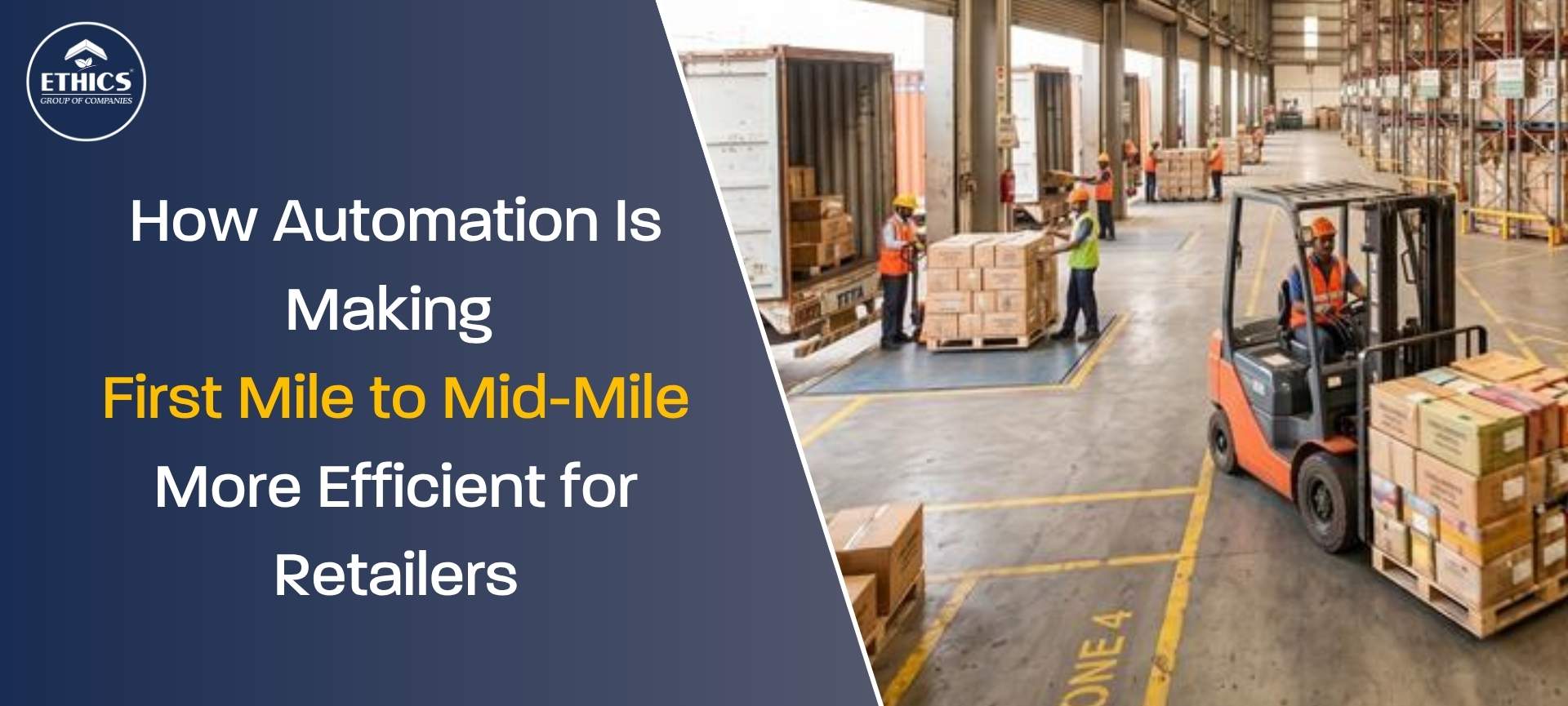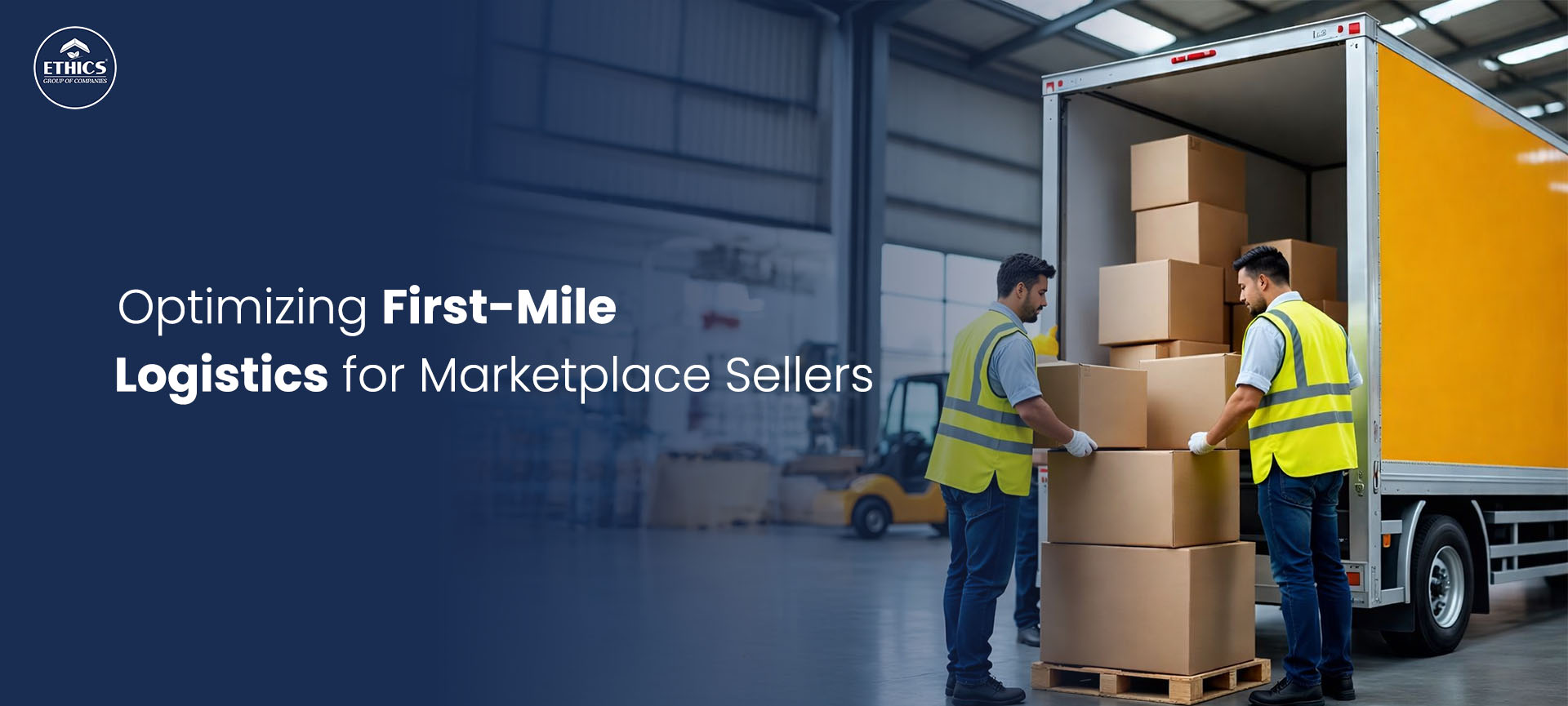
In India’s rapidly evolving logistics landscape, much attention is often given to last-mile delivery. However, the first-mile delivery—the movement of goods from manufacturers or sellers to warehouses or distribution centers—plays an equally crucial role in ensuring supply chain efficiency.
For companies operating in sectors like FMCG, e-commerce, pharmaceuticals, and manufacturing, first-mile inefficiencies can ripple across the entire supply chain, increasing costs, delaying deliveries, and impacting customer satisfaction.
This blog explores the key challenges in first-mile delivery in India, their impact on businesses, and strategic solutions to overcome them.
What is First-Mile Delivery?
First-mile delivery refers to the initial stage of the logistics process, where goods are transported from:
- Manufacturers to warehouses
- Suppliers to distribution hubs
- Sellers to fulfillment centers
It sets the foundation for the entire logistics cycle. Any disruption at this stage leads to downstream inefficiencies.
Key First-Mile Delivery Challenges in India
1. Fragmented Supplier Ecosystem
India’s supplier base is highly fragmented, especially in industries like agriculture, textiles, and MSMEs.
Challenges:
- Multiple small suppliers with inconsistent processes
- Lack of standardization in packaging and documentation
- Limited digital adoption
Impact:
Increases coordination complexity and delays shipment consolidation.
2. Infrastructure Constraints
Despite improvements, infrastructure gaps still exist in many regions.
Challenges:
- Poor road connectivity in rural areas
- Traffic congestion in urban zones
- Limited access to organized logistics hubs
Impact:
Leads to delays, higher fuel costs, and unpredictable transit times.
3. Inefficient Pickup Scheduling
Coordinating pickups from multiple vendors is a major bottleneck.
Challenges:
- Lack of real-time scheduling systems
- Dependency on manual coordination
- Vendor unpreparedness at pickup time
Impact:
Results in vehicle idle time, reduced fleet utilization, and higher operational costs.
4. Lack of Visibility and Tracking
Real-time visibility is still a challenge in first-mile logistics.
Challenges:
- Limited use of tracking technologies
- Poor communication between stakeholders
- Absence of centralized monitoring systems
Impact:
Businesses struggle with shipment tracking, leading to planning inefficiencies.
5. Packaging and Handling Issues
Improper packaging at the source can cause damage during transit.
Challenges:
- Non-standard packaging practices
- Lack of training among suppliers
- Inadequate quality checks
Impact:
Increases product damage, returns, and additional costs.
6. Regulatory and Compliance Complexity
India’s regulatory environment varies across states.
Challenges:
- Different documentation requirements
- E-way bill compliance issues
- Taxation and interstate movement complexities
Impact:
Delays in dispatch and increased compliance burden.
7. Cost Inefficiencies
First-mile logistics can significantly impact overall supply chain costs.
Challenges:
- Underutilized transport capacity
- High fuel prices
- Inefficient route planning
Impact:
Raises logistics costs, reducing overall profitability.
Impact on Business Operations
Inefficient first-mile delivery affects:
- Inventory Management: Delayed inbound shipments disrupt warehouse planning
- Order Fulfillment: Slower processing impacts customer commitments
- Working Capital: Increased holding costs due to delays
- Customer Experience: Indirect impact on delivery timelines
For B2B organizations, these inefficiencies can result in loss of trust and long-term business opportunities.
Strategic Solutions to Overcome First-Mile Challenges
1. Vendor Digitization and Integration
- Implement supplier management systems
- Enable digital documentation and communication
- Standardize processes across vendors
Result: Improved coordination and faster pickups.
2. Route Optimization and Fleet Management
- Use AI-based route planning tools
- Optimize vehicle utilization
- Reduce empty runs
Result: Lower costs and faster transit times.
3. Real-Time Tracking and Visibility
- Deploy GPS and IoT-based tracking systems
- Use centralized dashboards for monitoring
- Improve communication between stakeholders
Result: Enhanced transparency and proactive issue resolution.
4. Consolidation Centers and Micro-Hubs
- Establish regional consolidation hubs
- Aggregate shipments from multiple suppliers
Result: Reduced transportation costs and improved efficiency.
5. Standardized Packaging Protocols
- Define packaging guidelines for suppliers
- Conduct training programs
- Implement quality checks at source
Result: Reduced damages and improved shipment integrity.
6. Technology-Driven Scheduling
- Automate pickup scheduling
- Use predictive analytics for demand planning
Result: Better fleet utilization and reduced delays.
7. Partnering with Integrated Logistics Providers
Working with experienced logistics partners ensures:
- End-to-end visibility
- Scalable operations
- Compliance management
- Process optimization
The Role of Integrated Supply Chain Solutions
Organizations today are shifting towards end-to-end supply chain solutions to address first-mile challenges.
An integrated approach helps:
- Align suppliers, transporters, and warehouses
- Improve data-driven decision-making
- Enhance operational efficiency
- Reduce overall logistics costs
For businesses in India, this shift is not just an option—it’s becoming a necessity.
Conclusion
Ethics Group First-mile delivery is a critical yet often overlooked component of the supply chain. In a complex and diverse market like India, businesses must proactively address its challenges to remain competitive.
By adopting technology, standardization, and strategic partnerships, organizations can transform first-mile logistics from a bottleneck into a competitive advantage.
For companies aiming to scale efficiently, investing in optimized first-mile operations is the first step toward building a resilient and future-ready supply chain.