
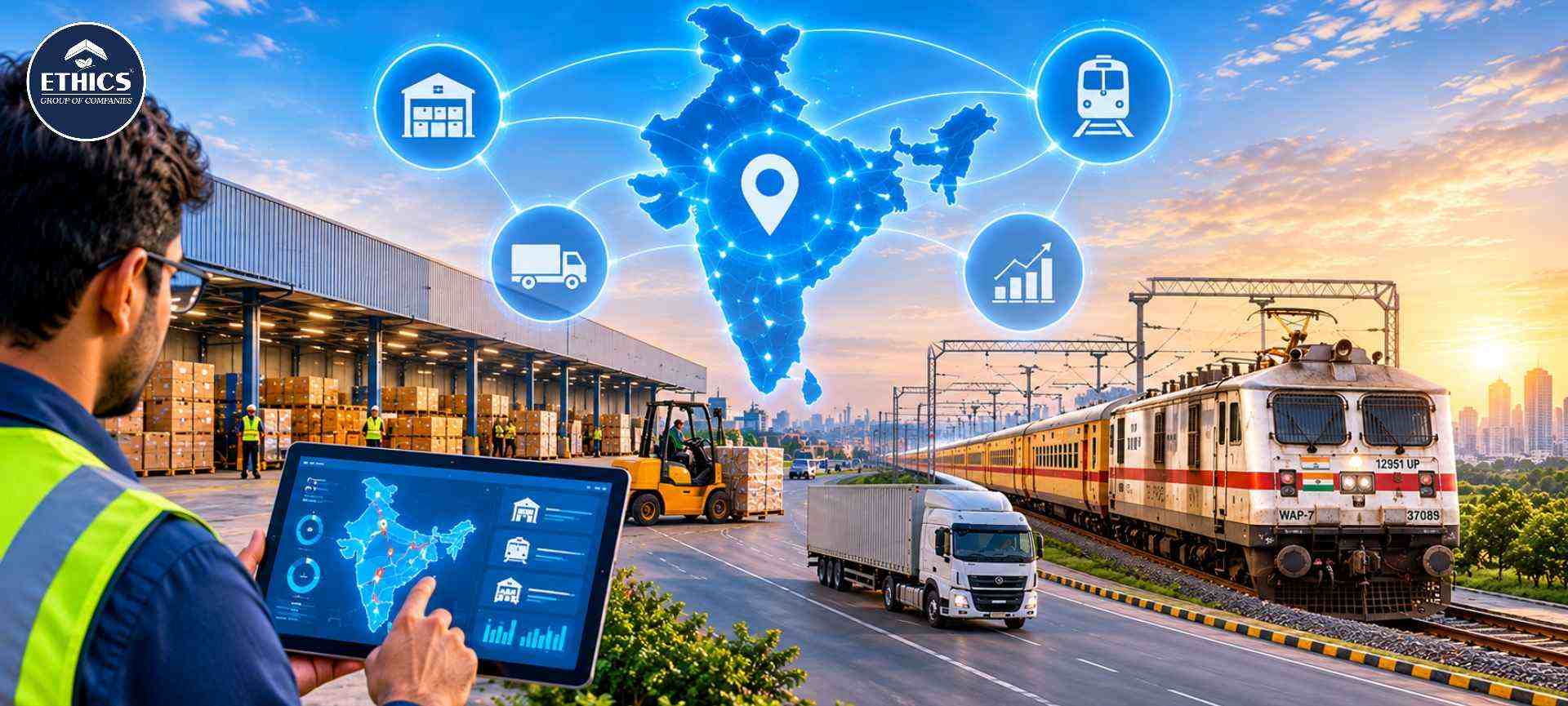
A consignment leaves the plant on time. Two days later, the customer calls to ask where it is. Your team phones the transporter, who phones the driver, who is out of network on a ghat section. By the time you have an answer, the delivery slot is gone.
Most operations heads in India have lived this. It is rarely a failure of effort. It is a failure of information.
Supply chain management depends on knowing what is happening, not what was planned. Supply chain visibility closes that gap. This guide covers what it means, why it matters now, the technologies behind it and how to start without overbuilding.
What Is Supply Chain Visibility?
Supply chain visibility is the ability to see the location, status and condition of orders, inventory and shipments across your network, ideally in near real time.
It goes beyond a dot on a map. True visibility links three layers:
- Where: shipment, vehicle, container and inventory location.
- What: order status, quantity, batch and documentation.
- How: condition, such as temperature, delay risk and exceptions.
It also helps to separate supply chain vs logistics. Logistics is the movement and storage of goods. The supply chain is the wider flow of planning, sourcing, production and fulfilment. Tracking a truck is a logistics capability. Visibility becomes a supply chain capability when that data feeds planning, inventory and customer commitments.
Why Real-Time Tracking Matters Today
Indian networks have grown more complex. Customers expect narrow delivery windows, retailers penalise missed slots, and regulated goods need documented condition-control.
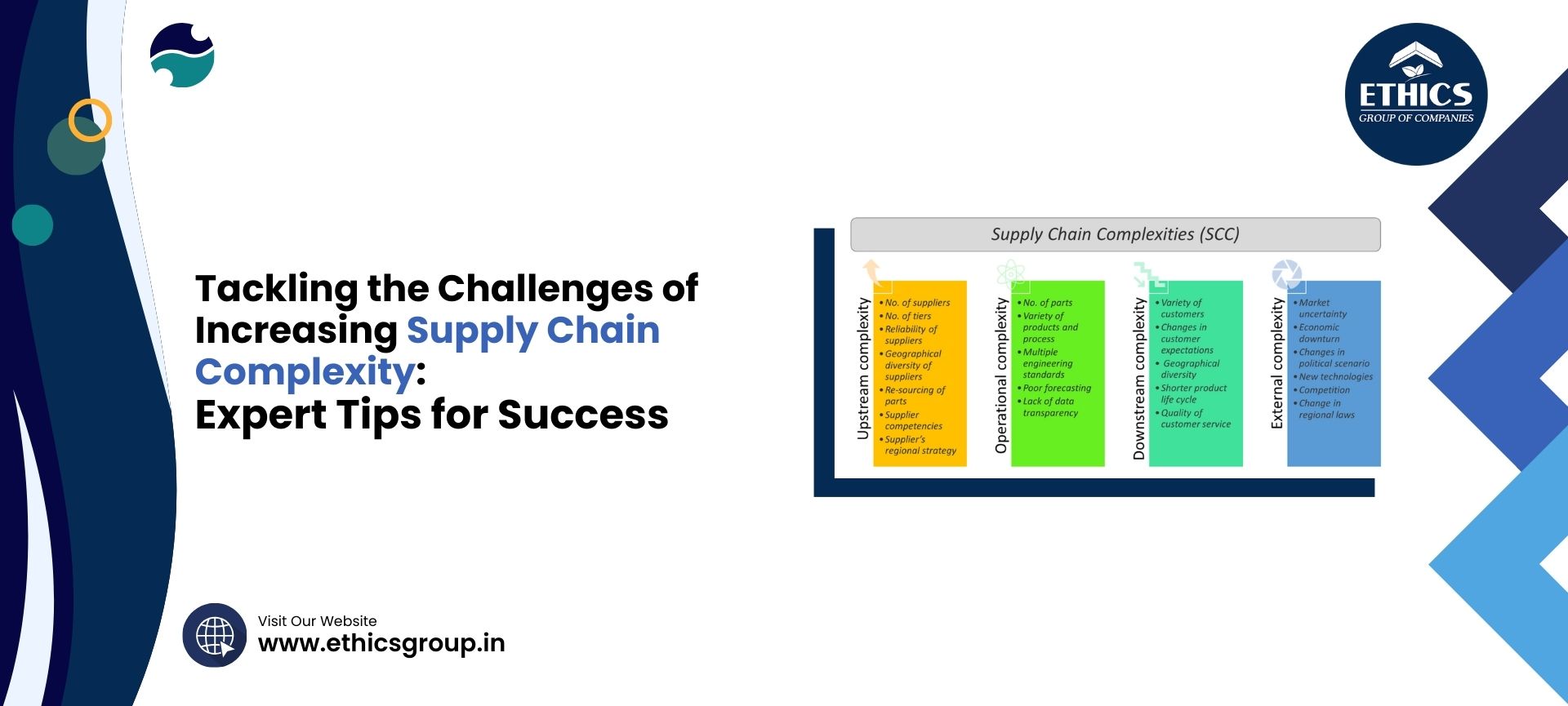
Among the supply chain challenges Indian operators face every day are fragmented transporter networks, manual status calls, long and variable transit times, port and rail dwell, and last-mile unpredictability.
Policy is also pushing the ecosystem towards data. E-way bills, FASTag, the National Logistics Policy and the Unified Logistics Interface Platform are all aimed at better, more connected logistics data. Businesses that can use that data are better placed than those who still run on phone calls.
Handoffs are where visibility is usually lost. On a multimodal freight transport journey, goods may move from road to rail to sea and back to road, each leg run by a different party with a different system. Without a unified view, you see the gaps only when something goes wrong.
Key Benefits of Real-Time Supply Chain Visibility
Operational Benefits
- Early exception handling: You see a delay while there is still time to reroute, re-slot or re-promise.
- Better dock and yard planning: Accurate ETAs let warehouses plan labour and docks instead of absorbing arrival surges.
- Fewer status calls: Planners manage exceptions rather than chase updates.
- Stronger customer communication: Proactive alerts build trust and cut service-desk load.
- Reliable planning inputs: Accurate in-transit and stock data improve replenishment and allocation decisions.
Financial Benefits
Visibility shows up on the balance sheet, not only in operations.
- Working capital: Less uncertainty means lower safety stock and less cash locked in pipeline inventory.
- Cost leakage: Fewer expedited shipments, detention and demurrage charges, and missed-slot penalties.
- Loss and claims: Better evidence for damage, shortage and temperature-excursion claims.
- Faster cash cycle: Proof of delivery captured sooner supports earlier invoicing and fewer disputes.
When making the business case, baseline these costs first. Visibility pays back where leakage is already measurable.
Technologies That Enable Real-Time Tracking
No single tool delivers visibility. It comes from combining sources into one view.
| Technology | What it tracks | Best for |
|---|---|---|
| GPS and telematics | Vehicle location, speed, route deviation | Road freight and fleets |
| IoT sensors | Temperature, humidity, shock, door opening | Cold chain, high-value goods |
| Barcode and RFID | Item, pallet and carton movement | Warehouses, dispatch, returns |
| Warehouse management system data | Inventory and in-building movement | Stock accuracy, dock planning |
| Transport management system | Orders, carriers, freight cost, PODs | Carrier performance |
| APIs and EDI | Partner, port and carrier status | Multi-party and multimodal flows |
| Control tower and analytics | Consolidated view, alerts, ETA prediction | Exception management |
A control tower is the layer that makes sense of this data. It applies rules and, increasingly in 2026, AI-based ETA prediction to flag shipments likely to miss a promise. Predicting a delay before it happens is the real value.
Two cautions from experience. First, tracking data is only as good as the master data behind it, such as location codes and carrier IDs. Second, tools that do not integrate create new silos.
Industry Use Cases: FMCG, Pharma, E-commerce and Manufacturing
FMCG. In an FMCG supply chain, retailer slots and promotion windows are unforgiving. Visibility into depot-to-distributor movement helps protect on-shelf availability and reduces emergency replenishment.
Pharma. Pharma logistics in India demands documented control of temperature-sensitive and regulated products. Sensor data, alerts and audit-ready records protect product integrity and speed up investigations when an excursion occurs.
E-commerce. Delivery promises are the product. Real-time tracking supports proactive customer updates, faster returns processing and carrier performance management.
Manufacturing. Plants running lean inventory cannot afford surprise gaps. Inbound visibility on critical components lets planners expedite or resequence production early. This is where an end to end supply chain view pays off, from supplier to line to customer.
How to Get Started: A Step-by-Step Roadmap
- Define the problem. Choose one or two pain points, such as late deliveries or temperature excursions, and baseline them.
- Map your flows. List lanes, modes, partners and the points where visibility is lost today.
- Prioritise data sources. Start where value is highest, such as high-value lanes, top customers or regulated products.
- Fix master data and integrations. Standardise location codes, carrier IDs and order references. Connect your ERP, TMS and warehouse systems.
- Bring carriers on board. Write tracking and data-sharing requirements into transporter contracts and measure compliance.
- Start with a pilot. Run one corridor or customer for 8–12 weeks and compare against your baseline.
- Set alerts and ownership. Decide who acts on which exception and within what time.
- Scale and review. Expand lanes and track on-time-in-full, ETA accuracy and cost leakage.
Conclusion
Supply chain visibility is not a dashboard project. It is a decision-making capability that depends on clean data, connected partners and clear ownership of exceptions.
Start small, prove value in the numbers and expand deliberately. Ethics Group works with businesses to connect tracking data with warehousing, distribution and planning so visibility leads to action.



.jpg)