
A pallet of insulin sits on a dock for forty minutes. A freezer door stays open through a shift change. A power cut outlasts the generator’s fuel. None of these looks dramatic, yet each can write off a consignment and a customer relationship.
Supply chain management for temperature-sensitive goods is unforgiving. The product has a shelf life, a regulator and a customer who will audit your records.
This guide explains temperature-controlled warehousing in India: the zones and facility types, what a good site looks like, who needs it, which rules apply and what drives the price.
What Is Temperature-Controlled Warehousing?
Temperature-controlled warehousing stores goods within a defined temperature range, and often a humidity range, using insulated structures, refrigeration and continuous monitoring.
The purpose is product integrity, not just cooling. The facility must hold the right temperature in every location, record it, alert you to excursions and prove all of that afterwards.
It helps to separate supply chain vs logistics here. Cold storage is one logistics node. Product integrity is a supply chain outcome, and it depends on every handoff from production to the last mile.
The sector is large and growing. One market estimate puts India at 8,815 cold storage facilities with 40.22 million metric tonnes of capacity. Treat such figures as indicative, since estimates differ by source.
Temperature Zones and Types of Facilities
The zones below are indicative. Always follow the product label or the manufacturer’s specification.
|
Zone |
Indicative range |
Typical products |
|
Controlled ambient |
15–25°C |
Many medicines, confectionery, specialty ingredients |
|
Chilled |
2–8°C |
Vaccines, biologics, dairy, selected produce |
|
Frozen |
−18°C or below |
Frozen foods, meat, seafood, ice cream |
|
Deep-frozen / ultra-low |
Product-specific, well below −20°C |
Certain biologics and clinical materials |
For pharmaceuticals, vaccines, biologics and other temperature-sensitive medicines often need storage between 2 and 8 degrees Celsius. Not every product follows the same range, so confirm per SKU.
Common facility types:
-
Single-temperature cold stores: Simplest and cheapest per pallet, but inflexible.
-
Multi-temperature warehouses: Several zones under one roof. Demand is no longer centred on a single temperature band.
-
Pharma-grade facilities: Validated zones, restricted access and documentation suited to audited customers.
-
Frozen and blast-freezing facilities: For food processors and exporters.
-
Cross-docks and urban micro-hubs: Short-dwell sites close to consumption, including quick-commerce supply.
For background on layout, specifications and technology, see Understanding Modern Warehousing.
Key Features of a Good Temperature-Controlled Warehouse
Infrastructure
-
Insulation and envelope: Well-sealed panels, floor insulation and controlled dock doors reduce load and temperature drift.
-
Refrigeration with redundancy: Duty and standby compressors, plus tested backup power with sufficient fuel.
-
Temperature-controlled docks: Dock shelters, air curtains and quick-closing doors limit the cold-chain break during loading. Many excursions happen here.
-
Zoning and segregation: Separate zones for products, allergens and quarantine stock.
Monitoring and Technology
-
Continuous monitoring: Calibrated sensors, logging and instant alerts through SMS or app notifications.
-
Temperature mapping: Mapping studies identify hot and cold spots before you place stock.
-
Inventory control: A warehouse management system should enforce FEFO, track batch and expiry and block quarantined stock.
-
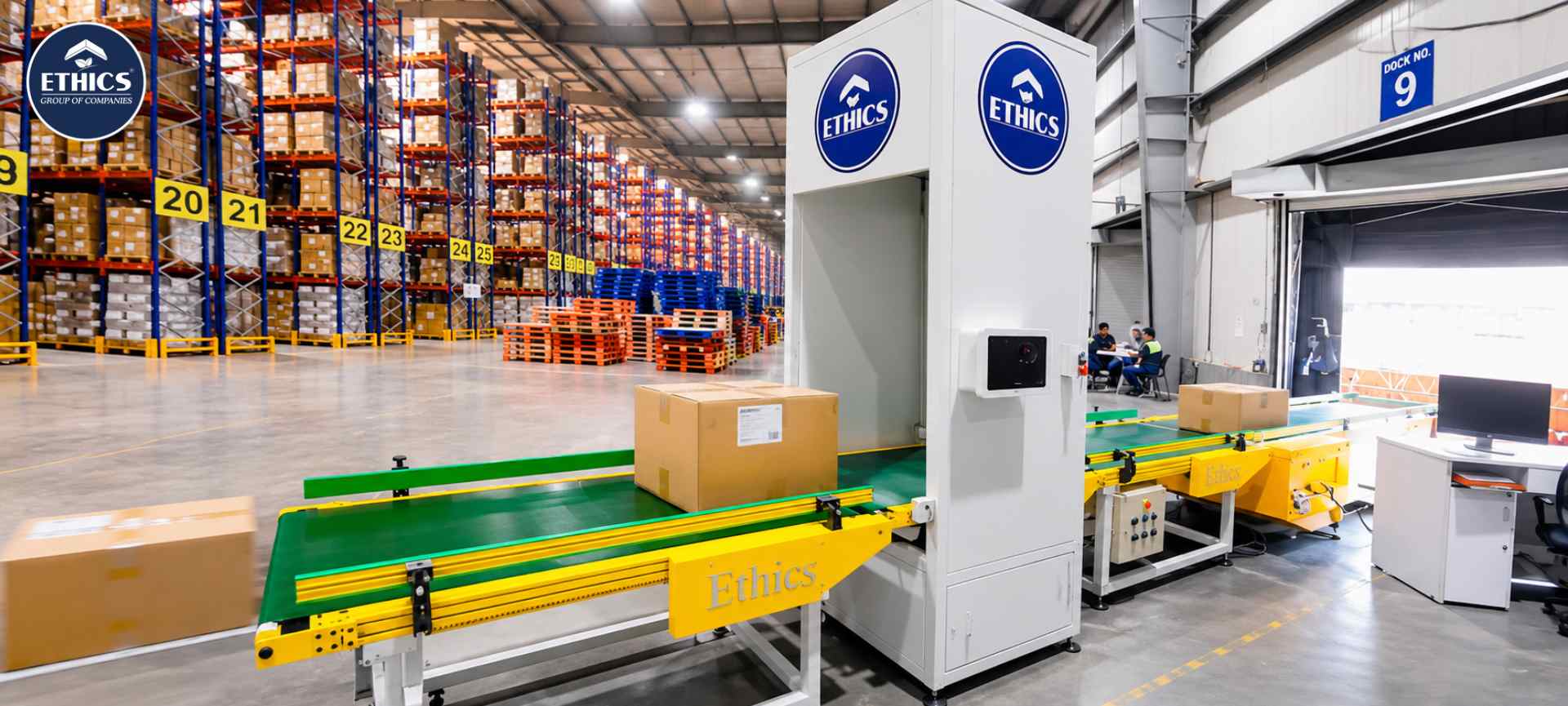
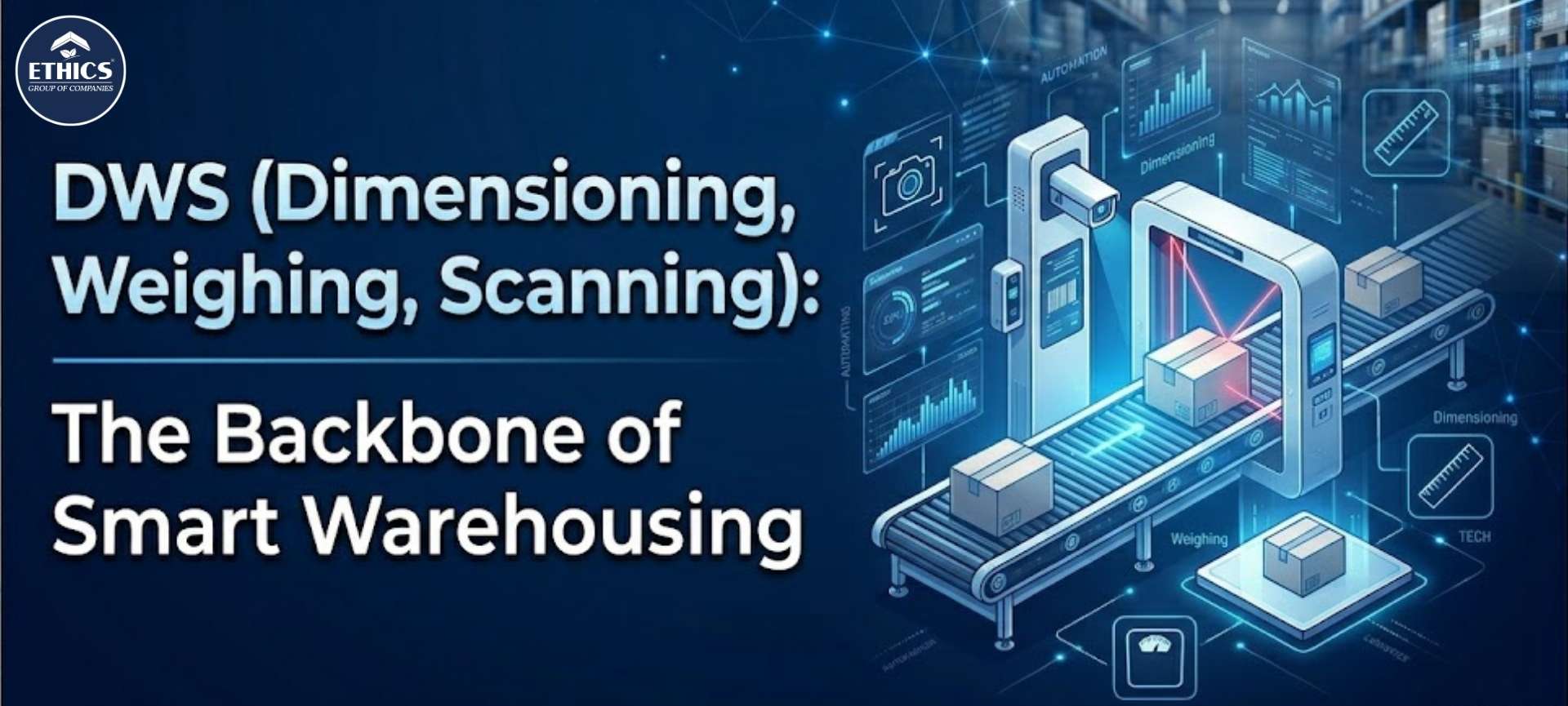
Data capture: In multi-client sites handling cartons, Dimensioning, Weighing and Scanning (DWS) stations can support cube-based billing, provided the equipment is rated for the operating temperature.
Operating Discipline
-
Procedures and training: Door-opening rules, staging limits and excursion response steps.
-
Maintenance: Scheduled defrost cycles, preventive maintenance and sensor calibration.
-
Records: Logs and deviation reports that stand up to an audit.
The operating risk is real. As one industry voice noted, India’s fragmented food chain has multiple transporters, aggregators, cold-storage operators and delivery partners, creating several points where temperature control, documentation and accountability can fail.
Who Needs It and Which Rules Apply?
Who Needs It
-
Pharma and healthcare: Vaccines, biologics, insulin, diagnostics and clinical materials.
-
Food and beverage: Dairy, frozen foods, meat, seafood and processed foods.
-
Fresh produce and flowers: Ripening and extended shelf life.
-
Quick commerce and retail: Chilled and frozen stock for dark stores and modern trade.
-
Chemicals and speciality products: Selected temperature-sensitive materials.
Which Rules Apply
Rules depend on what you store and what you do with it. Requirements change, so verify current notifications.
|
Area |
What to check |
|
Food |
FSSAI licensing and Schedule 4 hygiene and sanitary requirements |
|
Pharma |
Storage licensing under the Drugs and Cosmetics framework, plus good distribution practice expected by customers and auditors |
|
Premises |
Fire NOC, electrical safety, pollution consents and local approvals |
|
Other registrations |
Some cases, such as negotiable warehouse receipts, involve warehouse-regulator registration. Confirm applicability |
For food, FSSAI recently directed food businesses to maintain prescribed temperature conditions while handling, storing and transporting perishables. The advisory states that temperature abuse may harm food safety and counts as non-compliance with hygiene and sanitary requirements. The requirements sit under Schedule 4 of the Food Safety and Standards (Licensing and Registration of Food Businesses) Regulations, 2011. FSSAI directs food businesses to maintain cold chain for perishables +2
Ask any provider for current licences, audit reports and their handling of excursions. Confirm licence categories for your product with the regulator or your legal team.
Cost of Temperature-Controlled Warehousing: What Drives the Price?
Cost Drivers
-
Temperature zone: Colder zones cost more per pallet because of refrigeration load.
-
Energy: Power is typically one of the largest running costs. Price and reliability both matter.
-
Real estate and build quality: Land, insulation, panels and refrigeration capital are recovered in the rate.
-
Utilisation: A half-empty cold room costs almost as much to run as a full one.
-
Validation and monitoring: Mapping, calibration and software add cost but protect value.
-
Labour and handling: Cold-room work needs trained, protected staff and slower throughput.
-
Backup power: Generators, fuel and maintenance.
-
Value-added services: Labelling, kitting and relabelling.
Pricing Models and How to Compare Them
Common structures include per pallet per day or month, per square foot, handling-in and handling-out charges, and minimum guaranteed volumes. Always compare:
-
Total cost per pallet position at your expected utilisation, not the headline rate.
-
Handling and extras, which can change the ranking.
-
Minimum commitments, since they turn variable cost into fixed cost.
-
Cost of failure. Compare the price gap against the value of stock at risk and the cost of a single excursion.
Finance should also check tax treatment and insurance cover with the provider, and confirm who bears loss from a temperature failure.
How to Choose the Right Cold Storage Partner
-
Match capability to product. Check that the temperature zones and validation level fit your SKUs.
-
Verify licences and audits. Request current licences, customer audit outcomes and inspection history.
-
Inspect the site. Look at docks, door discipline, backup power, sensor placement and housekeeping.
-
Review monitoring and alerts. Ask how excursions are detected, who is called and what happens next.
-
Test the systems. Check batch and expiry control, reporting and integration with your own systems.
-
Stress-test resilience. Ask for the power-failure and equipment-failure plan, and when it was last tested.
-
Check location and connectivity. Proximity to your sources and markets reduces transit exposure.
-
Review commercial flexibility. Compare minimum commitments, scalability in peak season and exit terms.
-
Think about the wider chain. A partner that covers storage, transport and monitoring across an end to end supply chain reduces handoff risk, but check each link rather than assuming it.
Conclusion
Temperature-controlled warehousing is a quality system as much as a building. The right facility holds the right temperature in every location, proves it and responds fast when something goes wrong.
Define your product needs, check the compliance position and compare cost per pallet at realistic utilisation. Ethics Group works with businesses to match temperature-controlled storage to their product profile, volumes and service requirements.





.jpg)