Sustainability has evolved from a corporate responsibility initiative into a strategic business imperative. Across global supply chains, organizations are under increasing pressure from customers, investors, regulators, and stakeholders to reduce environmental impact while maintaining operational efficiency.
The logistics industry sits at the center of this transformation. Transportation, warehousing, packaging, and distribution activities contribute significantly to global carbon emissions, making logistics providers critical players in achieving sustainability goals.
India is uniquely positioned to become a global leader in sustainable logistics. With one of the world's fastest-growing economies, a rapidly modernizing logistics ecosystem, expanding infrastructure investments, and increasing adoption of digital technologies, Indian logistics companies have an opportunity to build sustainability into growth rather than retrofitting it later.
Organizations that proactively embrace green logistics strategies will not only contribute to environmental goals but also improve operational resilience, reduce costs, strengthen customer relationships, and create long-term competitive advantages.
The Growing Importance of Sustainability in Global Logistics
Global supply chains are experiencing a major shift. Large manufacturers, retailers, and multinational corporations increasingly evaluate logistics partners based on Environmental, Social, and Governance (ESG) performance alongside traditional metrics such as cost and service levels.
Several factors are accelerating this transition:
- Rising environmental regulations
- Corporate net-zero commitments
- Investor expectations around ESG reporting
- Customer demand for sustainable supply chains
- Growing fuel and energy costs
- Increased scrutiny of transportation emissions
As supply chains become more interconnected, sustainability performance is no longer confined to individual organizations. It extends across transportation providers, warehousing operators, freight handlers, and distribution networks.
For Indian logistics companies, this shift presents an opportunity to position themselves as strategic partners in global sustainability initiatives.
Sustainability Challenges Facing the Logistics Industry
Before exploring solutions, it is important to understand the primary sustainability challenges affecting logistics operations.
Transportation Emissions
Road transportation remains one of the largest contributors to logistics-related carbon emissions. Heavy commercial vehicles consume significant quantities of fuel, particularly across long-haul routes.
As freight volumes continue to grow, transportation emissions remain a major concern for governments and businesses worldwide.
Energy-Intensive Warehousing Operations
Modern distribution centers operate around the clock, consuming large amounts of electricity for lighting, material handling equipment, climate control systems, and automation technologies.
Without energy-efficient infrastructure, warehousing operations can significantly increase a company's environmental footprint.
Packaging Waste
Growing e-commerce and retail distribution activities have increased the use of packaging materials. Excessive packaging and non-recyclable materials contribute to environmental waste and sustainability challenges.
Inefficient Network Design
Poor route planning, underutilized vehicle capacity, and fragmented logistics networks often result in unnecessary fuel consumption and higher emissions.
Many organizations still operate supply chains that prioritize speed without adequately considering sustainability outcomes.
Key Strategies for Building Sustainable Logistics Operations
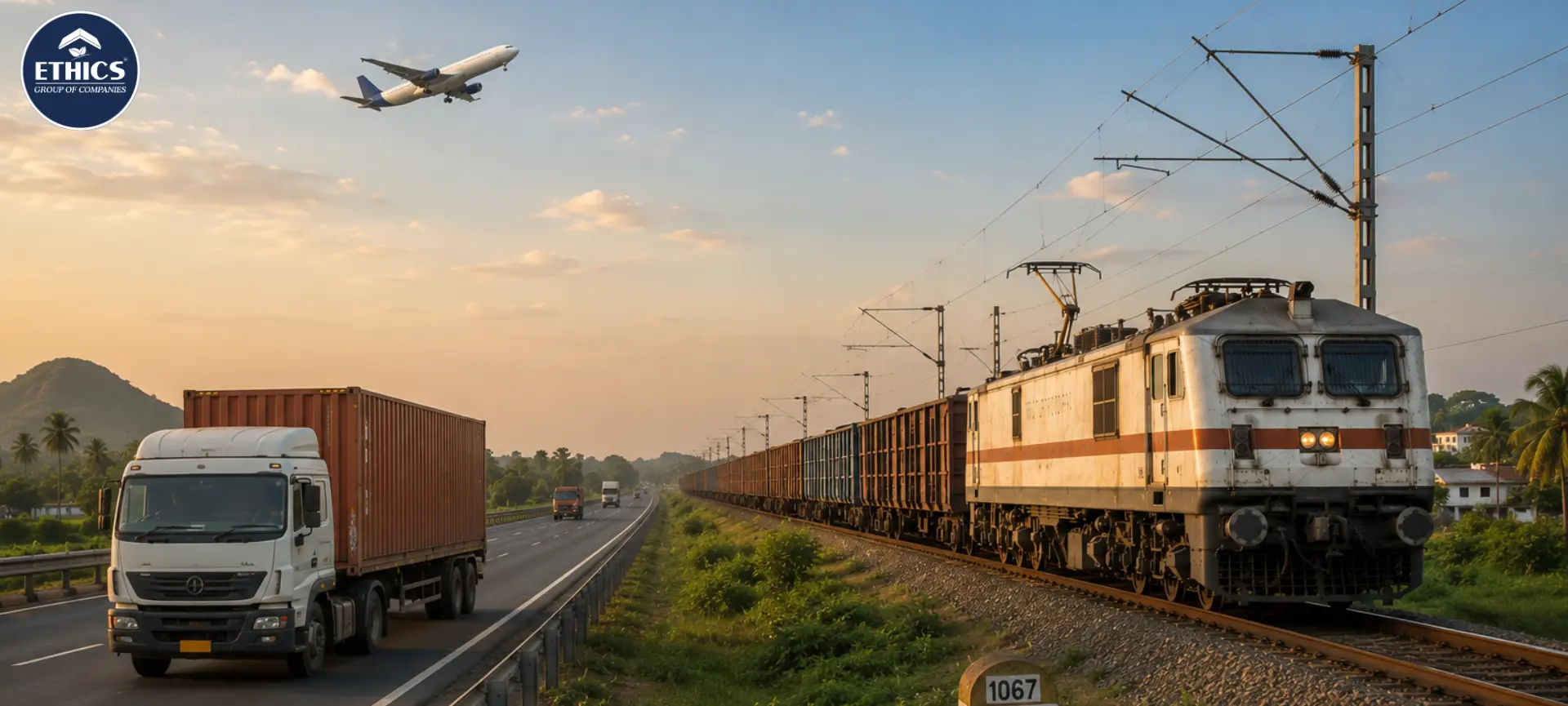
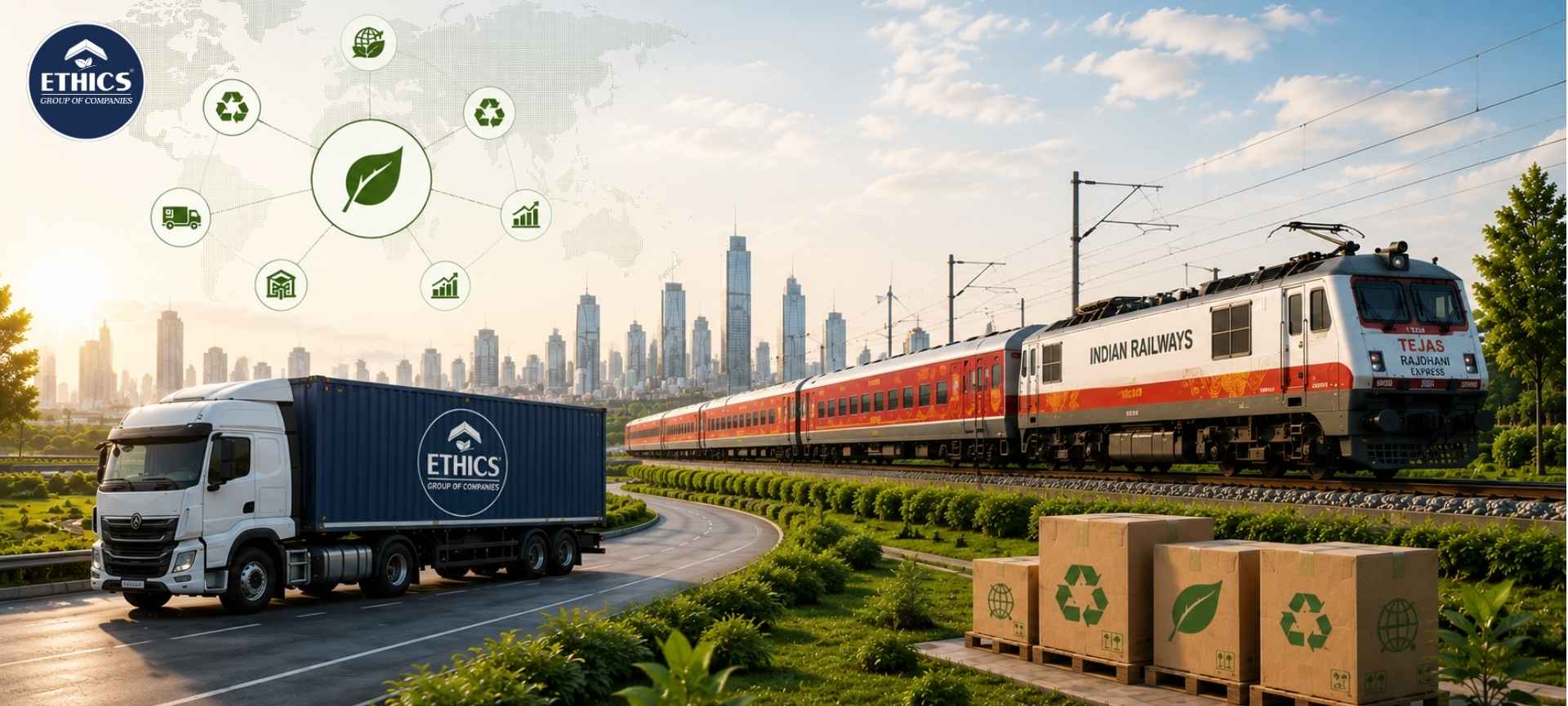
1. Accelerate Modal Shift Toward Rail Freight
One of the most impactful sustainability initiatives available to Indian logistics providers is increasing the use of rail transportation.
Rail freight typically produces significantly lower carbon emissions compared to road transportation while enabling the movement of large cargo volumes across long distances.
India's continued investment in dedicated freight corridors, multimodal logistics parks, and railway infrastructure creates new opportunities for businesses to reduce their environmental footprint while improving transportation efficiency.
For many industries, integrating rail into transportation strategies can simultaneously support sustainability objectives and reduce logistics costs.
2. Invest in Green Transportation Technologies
The future of sustainable logistics will increasingly depend on cleaner transportation solutions.
Leading logistics companies are already exploring:
- Electric commercial vehicles
- Alternative fuel fleets
- LNG-powered trucks
- Hydrogen-based transportation technologies
- Fuel-efficient vehicle designs
While large-scale adoption may take time, early investments can help organizations build future-ready transportation networks.
Businesses that begin the transition today will be better positioned to meet future regulatory requirements and customer expectations.
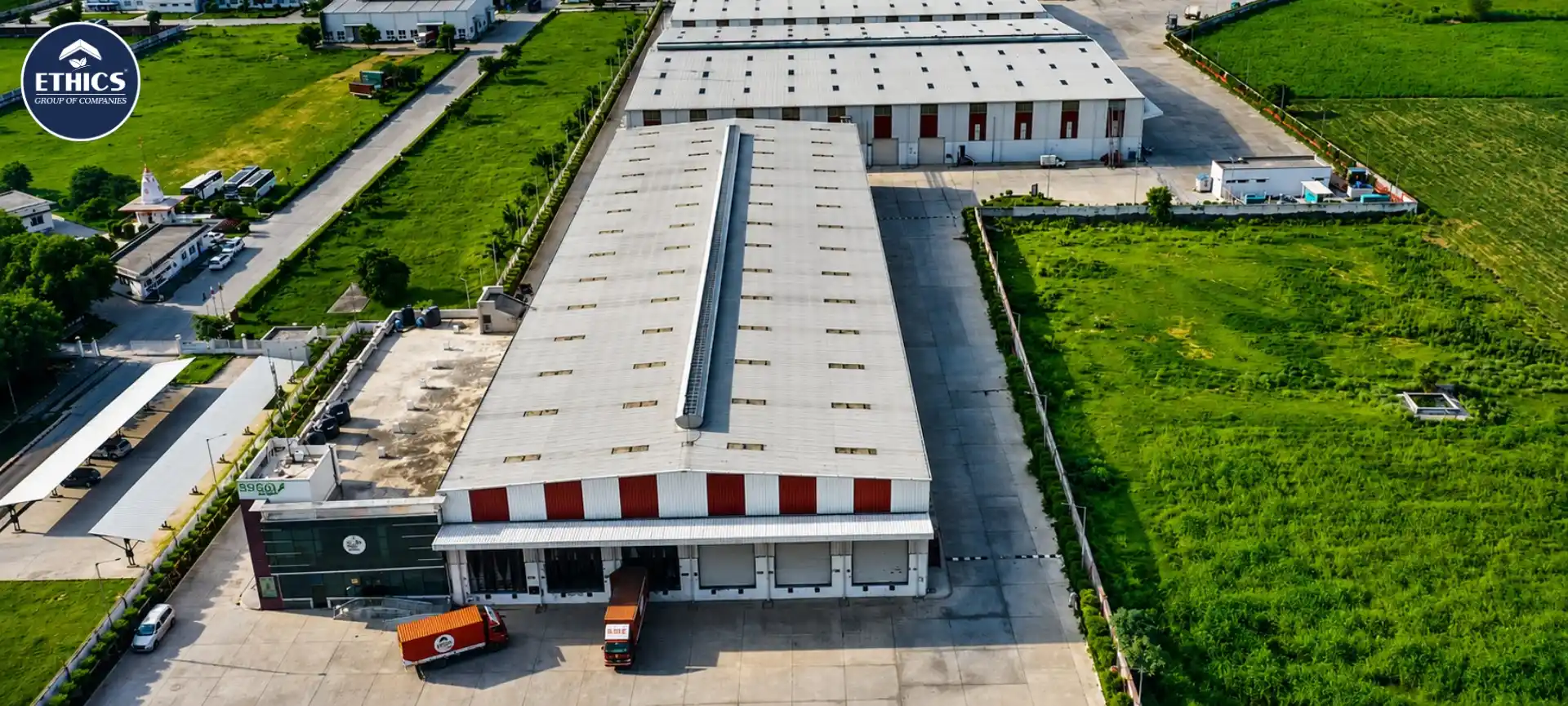
3. Develop Energy-Efficient Warehousing Infrastructure
Warehouses represent a major opportunity for sustainability improvements.
Modern facilities can reduce environmental impact through:
Solar Energy Integration
Rooftop solar installations help offset energy consumption while reducing dependency on traditional power sources.
Smart Lighting Systems
LED lighting and automated energy management systems significantly lower electricity usage.
Sustainable Building Design
Green-certified facilities improve energy efficiency while supporting long-term sustainability goals.
Automated Resource Monitoring
Real-time monitoring systems help identify inefficiencies and optimize energy utilization across warehouse operations.
Energy-efficient facilities not only reduce emissions but also deliver measurable operational savings over time.
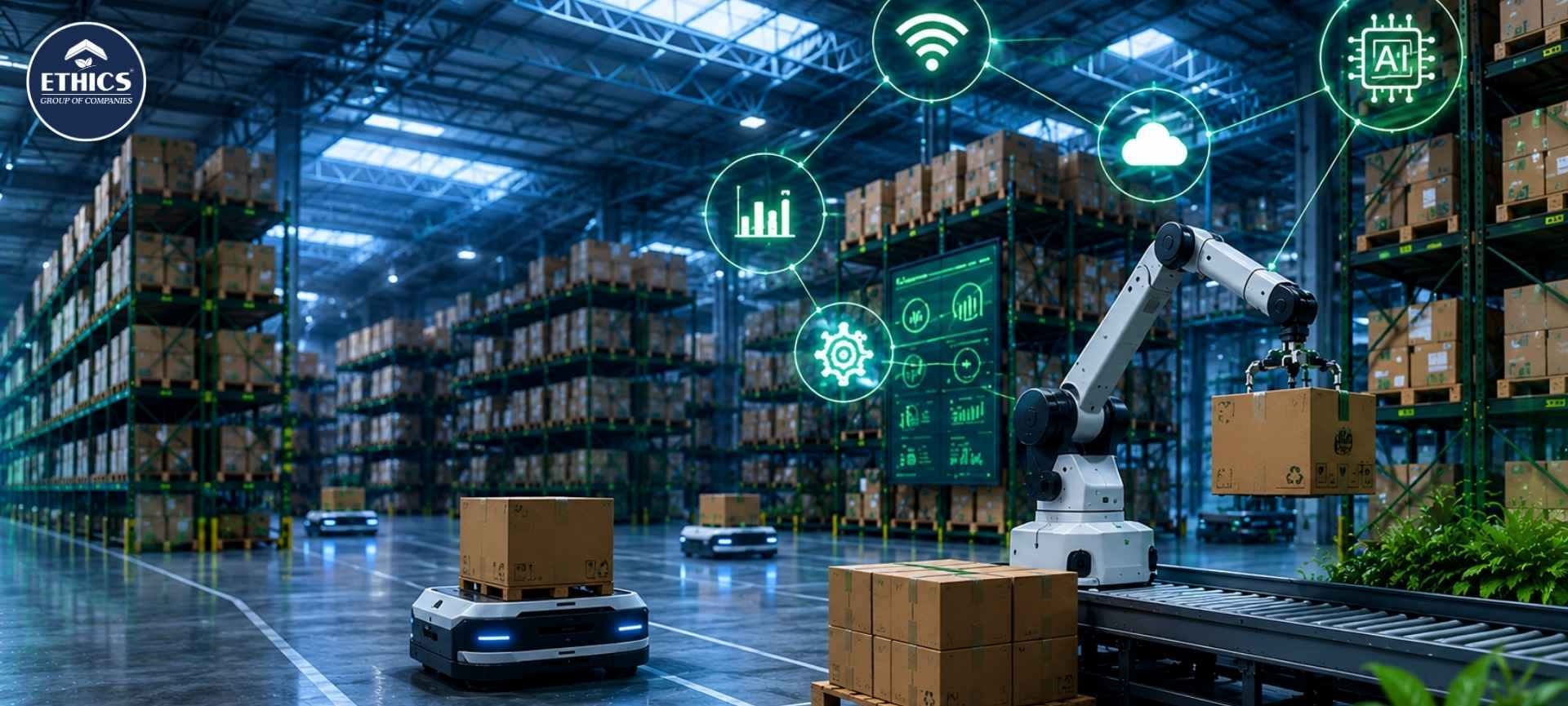
4. Leverage Technology for Smarter Logistics Operations
Digital transformation has become a critical enabler of sustainable supply chains.
Advanced logistics technologies can help organizations:
- Optimize transportation routes
- Improve vehicle utilization
- Reduce empty miles
- Enhance inventory accuracy
- Minimize unnecessary freight movement
- Improve shipment visibility
Artificial intelligence, predictive analytics, telematics, and real-time monitoring platforms provide data-driven insights that support both sustainability and operational excellence.
The ability to make smarter decisions using accurate logistics data will increasingly differentiate industry leaders from competitors.
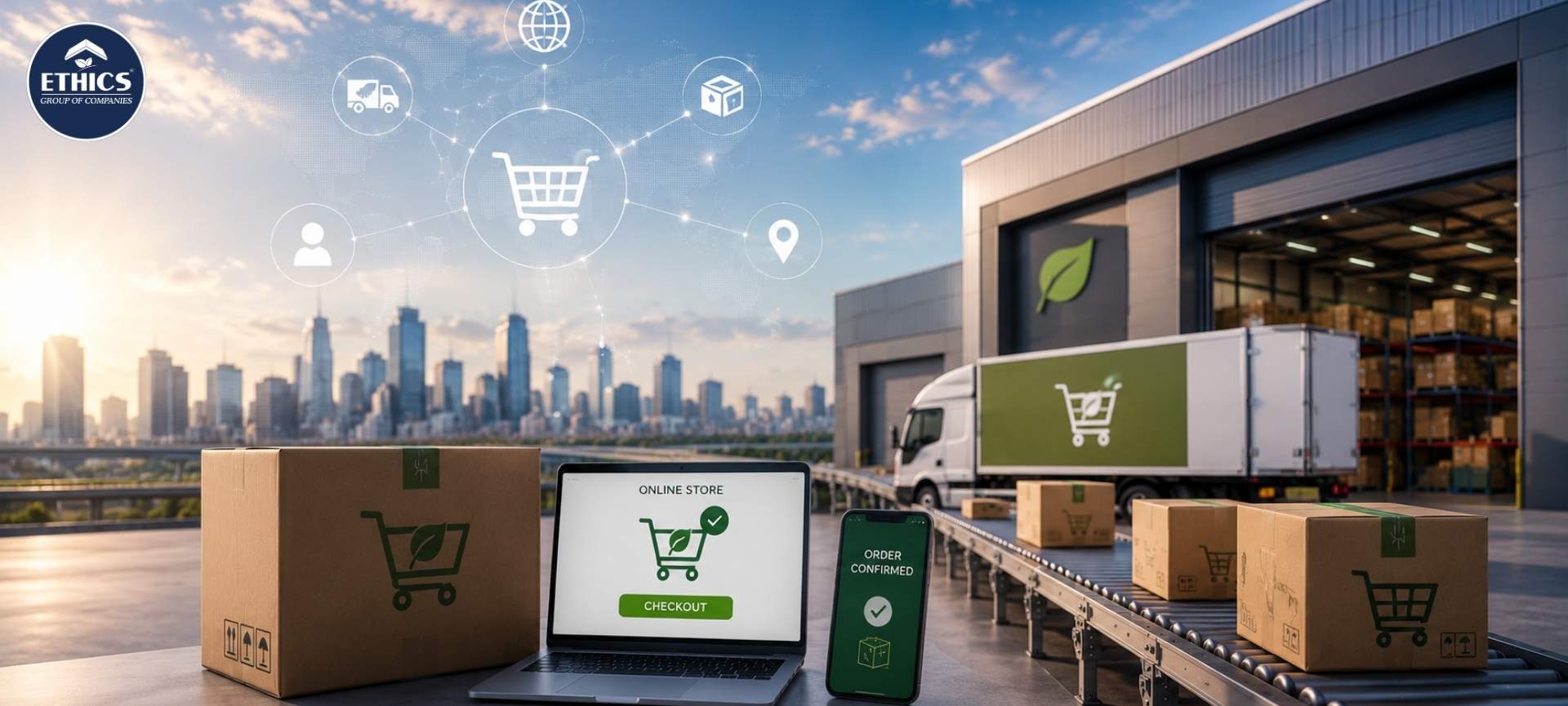
5. Strengthen Last-Mile Delivery Sustainability
Last-mile delivery remains one of the most resource-intensive components of modern logistics networks.
Organizations can improve sustainability through:
- Route optimization
- Micro-fulfillment strategies
- Electric delivery vehicles
- Consolidated shipment planning
- Smart delivery scheduling
Reducing unnecessary delivery trips can significantly lower emissions while maintaining customer service levels.
As urban populations continue to grow, sustainable last-mile strategies will become increasingly important.
Business Benefits of Sustainable Logistics
Many organizations still view sustainability primarily as a compliance requirement. In reality, sustainable logistics initiatives often create measurable business value.
Reduced Operating Costs
Fuel optimization, energy efficiency improvements, and network optimization initiatives can lower transportation and warehousing expenses.
Improved Customer Relationships
Many global customers now prefer logistics partners that support sustainability objectives and ESG commitments.
Demonstrating strong environmental performance can strengthen client retention and support new business opportunities.
Enhanced Brand Reputation
Organizations that actively invest in sustainability often enjoy stronger market positioning and increased stakeholder trust.
This is particularly important when serving multinational corporations with sustainability-focused procurement policies.
Greater Supply Chain Resilience
Efficient operations typically consume fewer resources and generate less waste.
As a result, sustainable logistics networks are often more resilient to disruptions, cost fluctuations, and regulatory changes.
Real-World Use Cases Driving Sustainable Logistics
Several industries are already benefiting from sustainability-focused logistics strategies.
Manufacturing
Manufacturers are increasingly adopting multimodal transportation solutions to reduce carbon emissions while improving freight efficiency.
Retail and E-commerce
Retailers are investing in optimized fulfillment networks, sustainable packaging, and cleaner transportation options to meet consumer expectations.
Automotive
Automotive supply chains are leveraging rail-based transportation and network optimization to reduce environmental impact across inbound and outbound logistics.
FMCG
Fast-moving consumer goods companies are implementing route optimization technologies and energy-efficient warehousing to support sustainability goals.
These examples demonstrate that sustainability initiatives can deliver measurable operational and financial benefits across diverse industries.
Operational Impact on Indian Logistics Companies
The transition toward sustainable logistics will reshape industry operations in several ways:
- Increased investment in green infrastructure
- Greater adoption of digital supply chain technologies
- Enhanced collaboration across transportation networks
- Stronger ESG reporting requirements
- Increased focus on carbon measurement and reduction
Organizations that proactively adapt to these changes will be better positioned to serve both domestic and international markets.
The ability to demonstrate measurable sustainability performance will increasingly become a competitive differentiator.
Future Trends Shaping Sustainable Logistics
Several trends are expected to influence the future of sustainable logistics in India.
Carbon-Neutral Transportation
Businesses will continue investing in low-emission transportation solutions to meet net-zero commitments.
AI-Powered Sustainability Optimization
Artificial intelligence will play a larger role in route planning, fleet management, and resource optimization.
Green Logistics Infrastructure
Sustainable warehousing and logistics parks will become more common across major industrial corridors.
Enhanced Supply Chain Transparency
Customers and regulators will demand greater visibility into carbon emissions and sustainability performance across logistics networks.
Circular Supply Chains
Companies will increasingly focus on reducing waste, recovering materials, and supporting environmentally responsible logistics practices.
Organizations that prepare for these trends today will gain significant strategic advantages in the coming years.
Conclusion
Sustainability is no longer a future objective—it is becoming a core requirement for participating in global supply chains. Indian logistics companies have a unique opportunity to lead this transformation by combining infrastructure development, technology adoption, multimodal transportation, and operational innovation.
By embedding sustainability into transportation, warehousing, and distribution strategies, businesses can reduce environmental impact while improving efficiency, resilience, and long-term competitiveness. Companies such as Ethics Group recognize that the future of logistics will be defined not only by speed and scale but also by the ability to deliver sustainable value across the entire supply chain ecosystem.