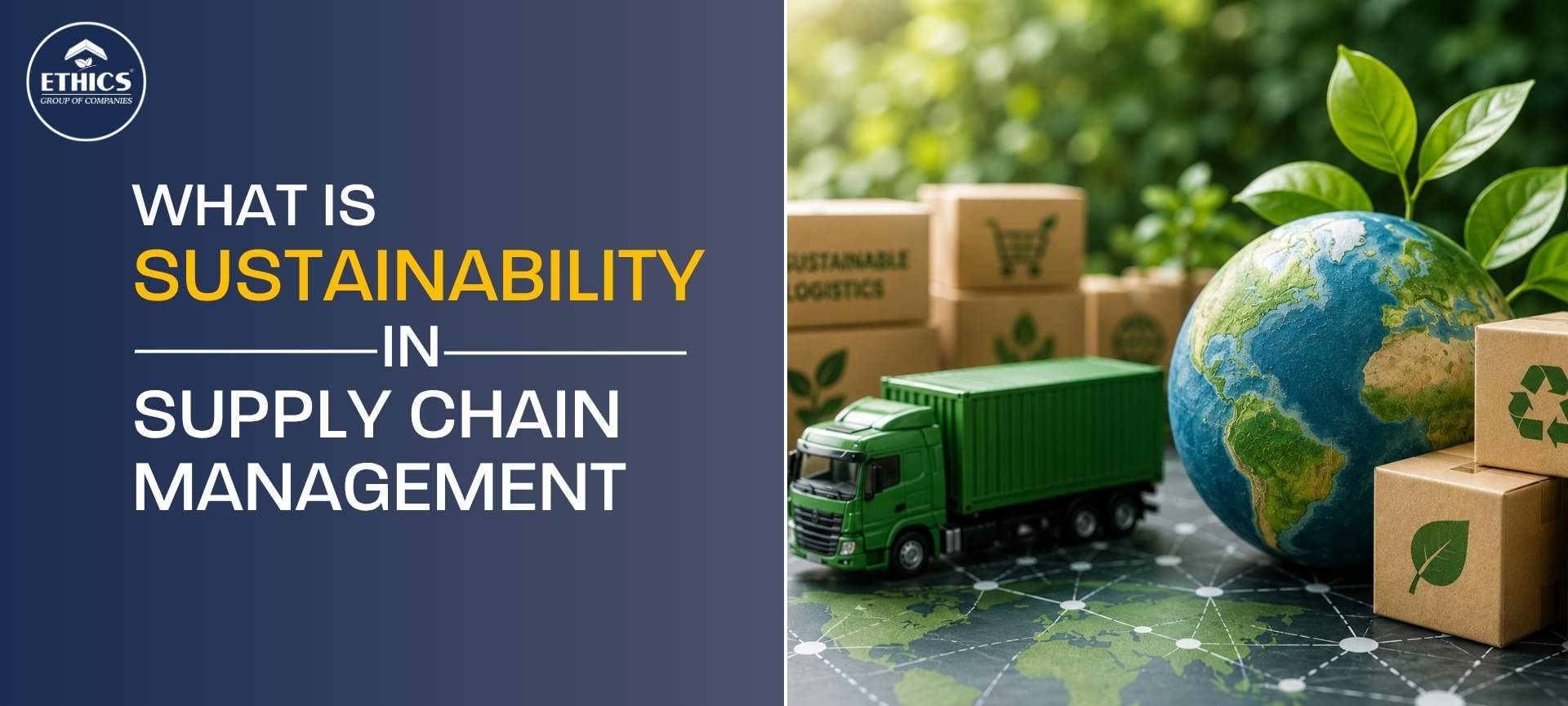
Sustainability in supply chain management has evolved from a corporate social responsibility initiative into a core business strategy. Across manufacturing, retail, e-commerce, pharmaceuticals, automotive, FMCG, and industrial sectors, businesses are under growing pressure to build supply chains that are environmentally responsible, operationally resilient, and economically sustainable.
Modern supply chains are no longer evaluated only on speed and cost efficiency. Today, organizations are expected to reduce carbon emissions, improve sourcing transparency, optimize transportation networks, minimize waste, and maintain ethical operational practices across the entire value chain.
For B2B enterprises, sustainability is now directly linked to risk management, investor confidence, procurement decisions, regulatory compliance, and long-term profitability. Companies that fail to align with sustainable supply chain practices may face rising operational costs, reputational risks, and disruptions in global trade ecosystems.
Sustainable supply chain management refers to the integration of environmental, social, and economic considerations into supply chain operations — from sourcing raw materials to final product delivery and reverse logistics processes.
Rather than treating sustainability as a separate initiative, leading enterprises are embedding it into procurement strategies, warehousing models, transportation planning, inventory optimization, and supplier collaboration frameworks.
Understanding Sustainability in Supply Chain Management
Sustainability in supply chain management involves designing and operating supply chains in a way that balances business performance with environmental and social responsibility.
A sustainable supply chain focuses on three major pillars:
1. Environmental Sustainability
This includes reducing carbon emissions, energy consumption, packaging waste, fuel usage, and environmental impact across logistics and operational activities.
Examples include:
- Using fuel-efficient transportation fleets
- Optimizing warehouse energy consumption
- Adopting electric mobility solutions
- Reducing packaging material waste
- Improving route optimization
2. Social Sustainability
Social sustainability focuses on ethical labor practices, workplace safety, supplier transparency, and fair operational standards across the supply network.
Businesses increasingly evaluate suppliers based on labor compliance, workforce welfare, and responsible sourcing policies.
3. Economic Sustainability
A sustainable supply chain must also remain financially viable. Businesses need supply chain models that reduce operational waste, improve efficiency, lower long-term costs, and strengthen profitability without compromising service quality.
This balance between operational efficiency and responsible business practices defines modern sustainable supply chain management.
Why Sustainability Matters in Modern Supply Chains
Global supply chains have become increasingly complex due to rising customer expectations, international sourcing dependencies, regulatory pressures, and rapid digital transformation.
As a result, sustainability is no longer optional for enterprises operating at scale.
Increasing Regulatory Pressure
Governments and regulatory authorities across multiple regions are introducing stricter environmental regulations related to carbon emissions, waste management, and transportation sustainability.
Organizations that fail to comply may face penalties, supply chain restrictions, or procurement limitations.
Growing Customer Expectations
Both B2B and B2C buyers are increasingly prioritizing environmentally responsible businesses. Enterprise procurement teams now assess sustainability metrics while selecting logistics and supply chain partners.
Businesses with transparent sustainability practices often gain stronger customer trust and long-term commercial advantages.
Rising Fuel and Operational Costs
Transportation and warehousing costs continue to increase globally. Sustainable operational practices such as route optimization, inventory planning, and energy-efficient facilities help businesses reduce operational expenditure over time.
Supply Chain Resilience
Sustainable supply chains are often more resilient because they focus on long-term operational planning, supplier diversification, and risk reduction strategies.
Companies with sustainable procurement and logistics frameworks are generally better prepared to handle disruptions caused by geopolitical instability, climate risks, or transportation bottlenecks.
Major Sustainability Challenges in Supply Chain Management
Despite growing awareness, many organizations still struggle to implement sustainability effectively across supply chain operations.
Limited Supply Chain Visibility
Many enterprises lack end-to-end visibility across supplier networks, transportation systems, and warehouse operations. Without accurate data, businesses cannot effectively track emissions, waste generation, or sustainability performance.
High Initial Investment
Implementing sustainable infrastructure such as automation systems, electric fleets, smart warehouses, and renewable energy solutions often requires significant capital investment.
However, businesses that adopt long-term operational planning typically recover these costs through improved efficiency and reduced waste.
Supplier Compliance Issues
Large supply chains often involve multiple vendors across different geographies. Ensuring sustainability compliance across all supplier levels can be operationally challenging.
Complex Transportation Networks
Long-distance transportation, fragmented freight operations, and inconsistent logistics planning contribute significantly to emissions and operational inefficiencies.
This is especially relevant for industries managing nationwide distribution and multi-location fulfillment networks.
Key Strategies for Building a Sustainable Supply Chain
Optimize Transportation Networks
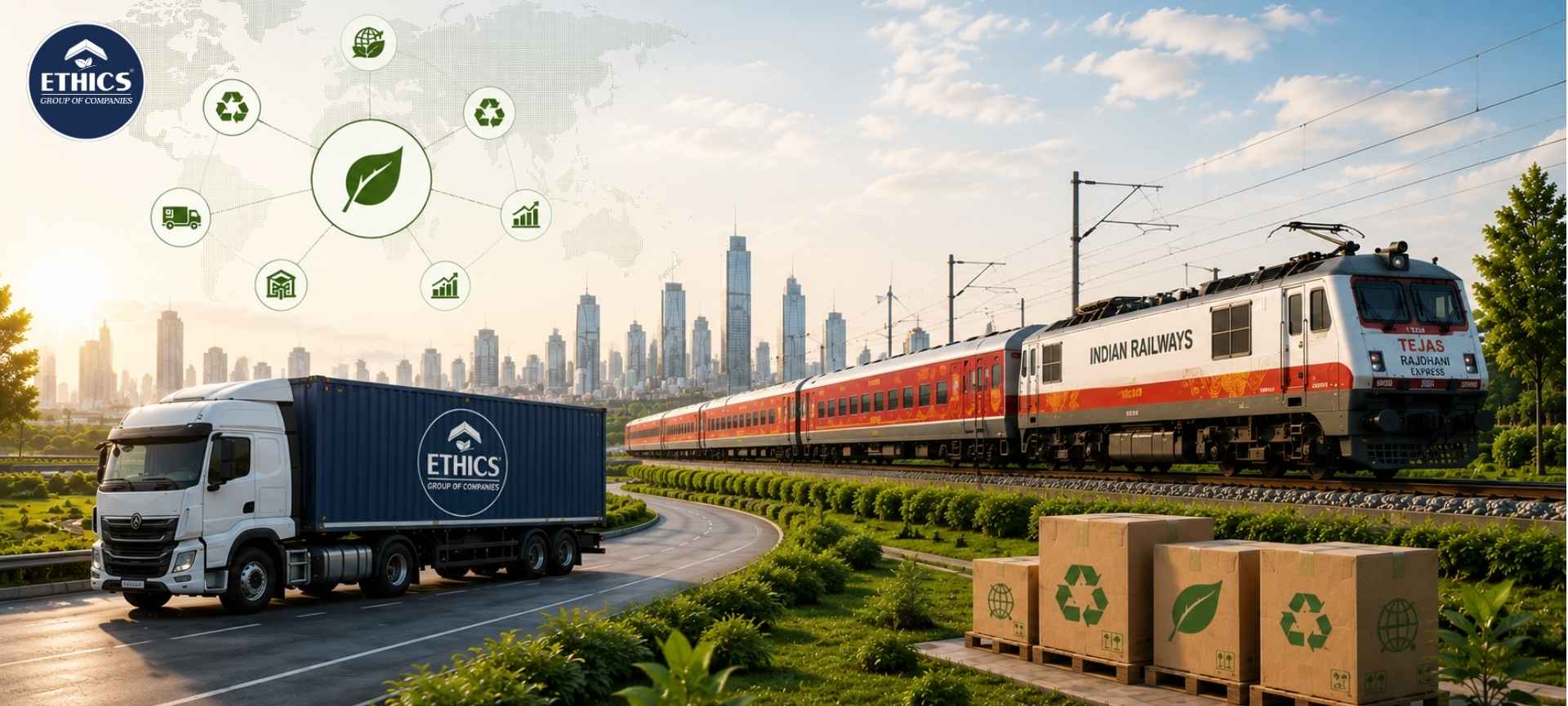
Transportation is one of the largest contributors to supply chain emissions. Businesses can improve sustainability by optimizing route planning, increasing vehicle utilization, and reducing empty miles.
Rail freight integration, multimodal logistics, and smart transportation planning can significantly reduce fuel consumption and environmental impact.
Advanced transport management systems also help improve shipment visibility and operational efficiency.
Invest in Energy-Efficient Warehousing
Warehouses consume large amounts of electricity for lighting, cooling, material handling, and automation systems.
Sustainable warehousing practices include:
- LED lighting systems
- Solar-powered facilities
- Smart energy monitoring
- Automated inventory management
- Space optimization
Energy-efficient warehouses not only reduce environmental impact but also improve long-term operational cost efficiency.
Improve Inventory Planning
Poor inventory planning leads to excess stock, product waste, emergency transportation costs, and warehouse inefficiencies.
Businesses using predictive analytics and demand forecasting tools can optimize inventory levels and reduce unnecessary operational waste.
Build Responsible Supplier Networks
Sustainable supply chains require collaboration with suppliers that follow ethical and environmentally responsible practices.
Organizations increasingly conduct supplier audits and sustainability assessments to improve transparency across procurement ecosystems.
Leverage Technology and Data Analytics
Technology plays a major role in enabling sustainable supply chains.
Modern enterprises use:
- IoT-enabled tracking systems
- Warehouse automation
- AI-driven forecasting
- Transportation analytics
- Carbon tracking platforms
- Digital supply chain visibility tools
These technologies help organizations monitor operational performance while improving sustainability outcomes.
Operational Benefits of Sustainable Supply Chains
Reduced Operational Costs
Sustainability initiatives often improve operational efficiency by minimizing waste, lowering fuel consumption, and optimizing resource utilization.
Over time, businesses achieve substantial cost savings through better planning and reduced inefficiencies.
Improved Brand Reputation
Organizations with strong sustainability practices often gain greater trust among customers, investors, and enterprise procurement teams.
Sustainability reporting and ESG performance are becoming increasingly important in corporate decision-making.
Better Risk Management
Diversified sourcing strategies, efficient transportation planning, and sustainable operational models improve business continuity and reduce supply chain vulnerabilities.
Stronger Customer Retention
Customers increasingly prefer working with organizations that demonstrate environmental and ethical responsibility.
Sustainable operations help businesses strengthen long-term client relationships and improve market positioning.
Future Trends in Sustainable Supply Chain Management
The future of sustainable supply chain management will be shaped by digital transformation, automation, and stricter ESG compliance requirements.
Key trends include:
- AI-driven supply chain optimization
- Carbon-neutral transportation networks
- Smart warehouses with energy monitoring
- Green packaging innovations
- Circular supply chain models
- Blockchain-enabled supplier transparency
- Electric and alternative fuel fleets
Businesses that proactively adopt sustainable technologies will gain competitive advantages in operational efficiency and long-term scalability.
Conclusion
Sustainability in supply chain management is no longer a future concept — it is now a strategic business necessity. Organizations that integrate sustainability into logistics, warehousing, transportation, procurement, and fulfillment operations are better positioned to reduce costs, improve resilience, strengthen compliance, and build long-term customer trust.
As supply chains continue to evolve, businesses must move beyond short-term operational thinking and adopt scalable, sustainable strategies that support both profitability and environmental responsibility. Companies that invest in intelligent and sustainable logistics ecosystems today will be better prepared for the operational demands of tomorrow, and industry leaders such as Ethics Group continue to contribute toward building more efficient and future-ready supply chain infrastructures.