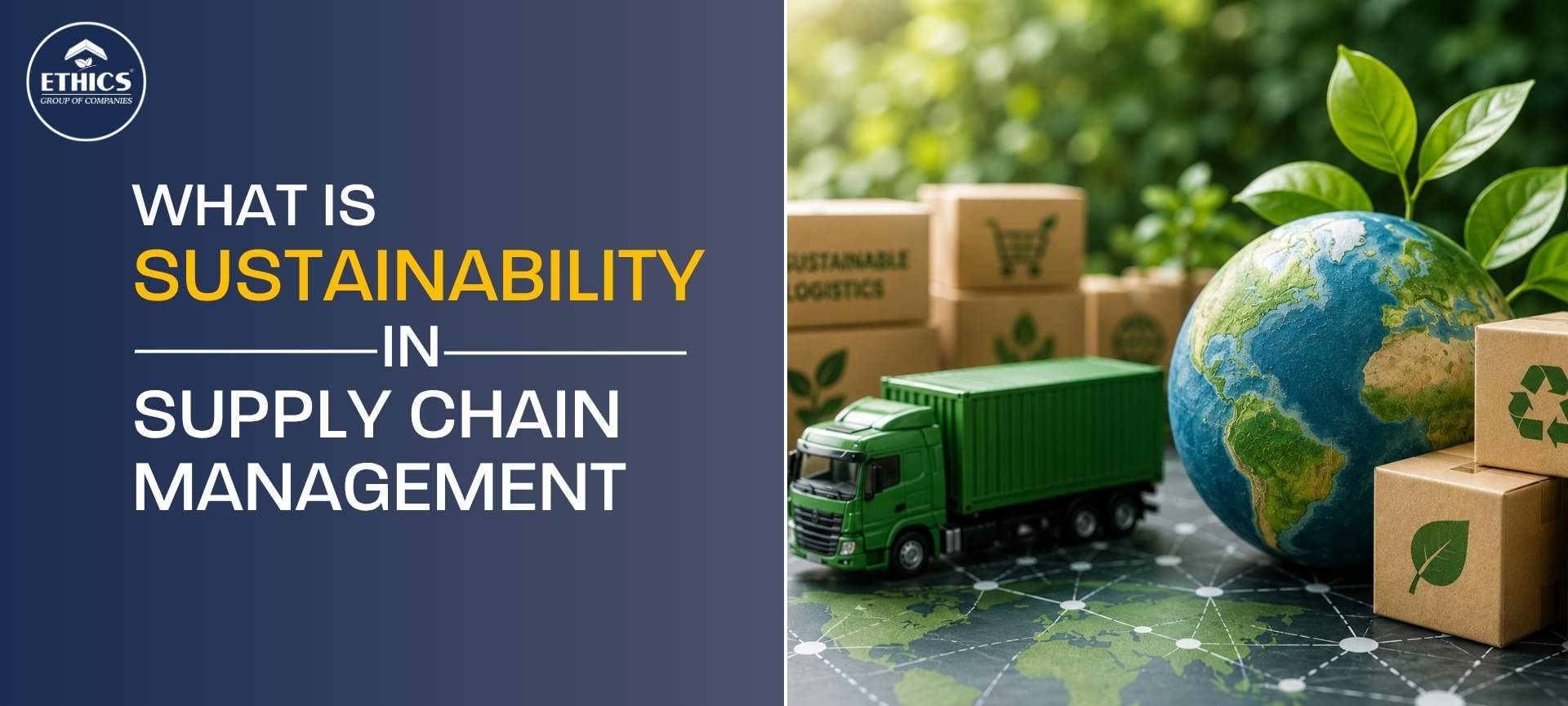

Sustainability is no longer a corporate initiative limited to annual reports and environmental commitments. It has become a strategic business requirement that directly influences operational efficiency, regulatory compliance, customer expectations, and long-term profitability.
As global supply chains become more complex, organizations are under increasing pressure to reduce their environmental footprint while maintaining service levels, controlling costs, and ensuring business continuity. Logistics operations—which include transportation, warehousing, inventory management, packaging, and distribution—often account for a significant portion of a company's carbon emissions and resource consumption.
For manufacturers, retailers, e-commerce businesses, pharmaceutical companies, and industrial enterprises, adopting sustainable logistics practices is not simply about environmental responsibility. It is about building resilient, efficient, and future-ready supply chains capable of supporting long-term growth.
This article explores the key challenges facing modern logistics networks, practical sustainability strategies organizations can implement, and the operational benefits that sustainable logistics solutions deliver.
Why Sustainability Has Become a Supply Chain Priority
Over the last decade, businesses have witnessed a significant shift in how stakeholders evaluate corporate performance.
Customers increasingly prefer environmentally responsible brands. Investors are paying closer attention to Environmental, Social, and Governance (ESG) performance. Governments across the world are introducing stricter emissions regulations and reporting requirements.
At the same time, supply chain disruptions, fuel price volatility, and rising operational costs have exposed the vulnerabilities of traditional logistics models.
As a result, organizations are recognizing that sustainable logistics is not a cost center—it is a competitive advantage.
Companies that invest in greener logistics operations often experience:
- Lower transportation costs
- Reduced energy consumption
- Improved operational efficiency
- Enhanced brand reputation
- Better regulatory compliance
- Stronger customer trust
- Greater supply chain resilience
The intersection of sustainability and operational excellence is now shaping the future of logistics.
Key Sustainability Challenges in Logistics Operations
Before implementing sustainable initiatives, organizations must understand the primary challenges affecting logistics networks.
1. Transportation Emissions
Transportation remains one of the largest contributors to supply chain carbon emissions.
Long-haul trucking, air freight operations, and inefficient route planning can significantly increase fuel consumption and environmental impact. Businesses managing nationwide or global distribution networks often face the challenge of balancing delivery speed with sustainability objectives.
2. Warehouse Energy Consumption
Warehouses operate around the clock and consume substantial amounts of electricity for lighting, material handling equipment, climate control systems, and automation technologies.
Without energy-efficient infrastructure, warehousing operations can become a major source of environmental impact and operational expense.
3. Packaging Waste
Excessive packaging materials contribute to waste generation and increase transportation costs due to additional weight and volume.
Many organizations continue to rely on packaging designs that prioritize protection but overlook sustainability considerations.
4. Reverse Logistics Complexity
Product returns, recycling programs, refurbishment processes, and disposal management create additional transportation and operational requirements.
Without structured return management systems, businesses often struggle to minimize waste while maintaining customer satisfaction.
5. Lack of Supply Chain Visibility
Many organizations still operate with fragmented logistics systems that provide limited visibility into emissions, resource utilization, and sustainability performance.
Without accurate data, measuring and improving environmental outcomes becomes challenging.
Sustainable Logistics Strategies That Deliver Results
Organizations seeking measurable sustainability improvements should focus on initiatives that create both environmental and business value.
Optimize Transportation Networks
Transportation optimization is often the fastest path toward sustainability gains.
Advanced route planning tools help organizations reduce fuel consumption by identifying the most efficient delivery paths. Load consolidation strategies increase vehicle utilization and reduce the number of trips required.
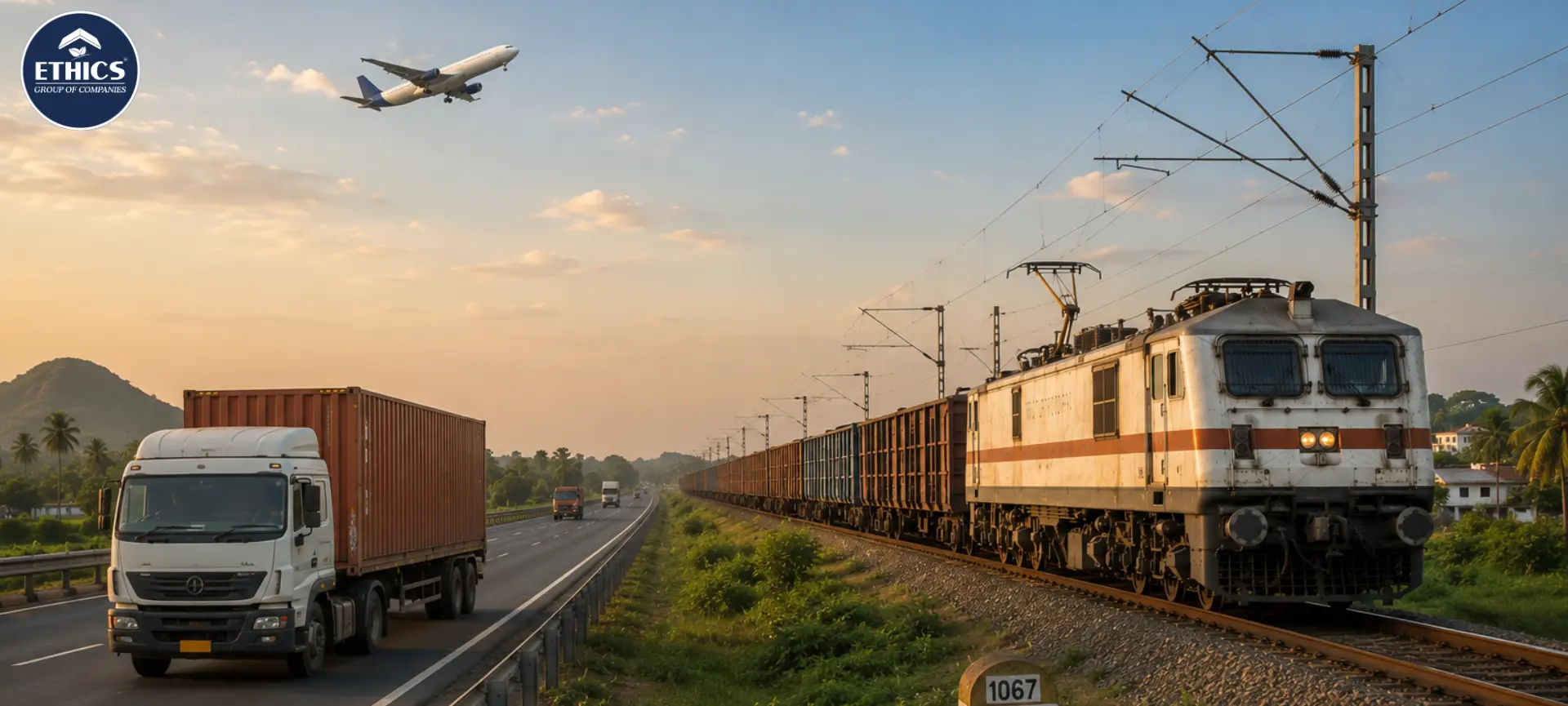
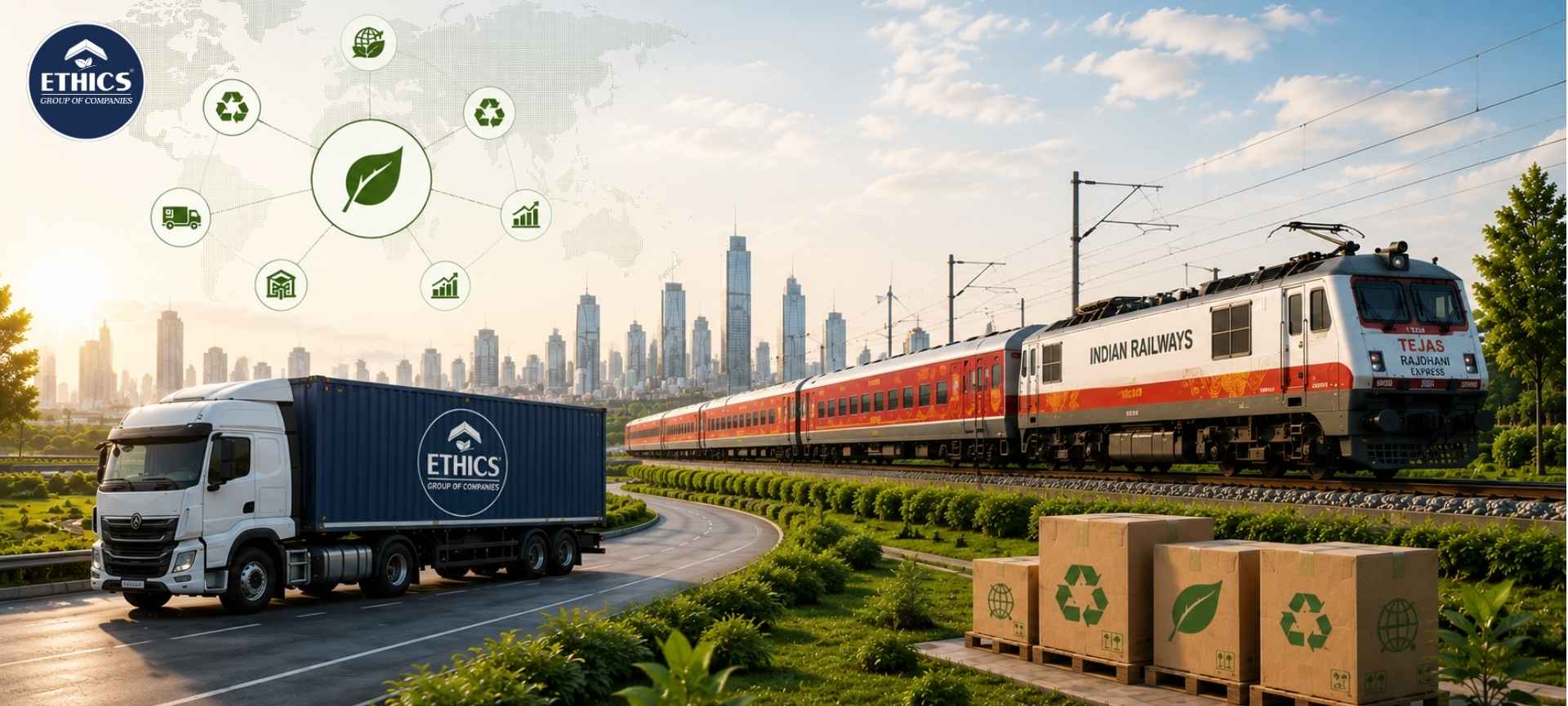
Rail freight is also becoming an attractive alternative for long-distance cargo movement due to its lower carbon footprint compared to traditional road transportation.
Businesses that strategically evaluate transportation modes can achieve meaningful reductions in emissions while lowering freight costs.
Invest in Energy-Efficient Warehousing
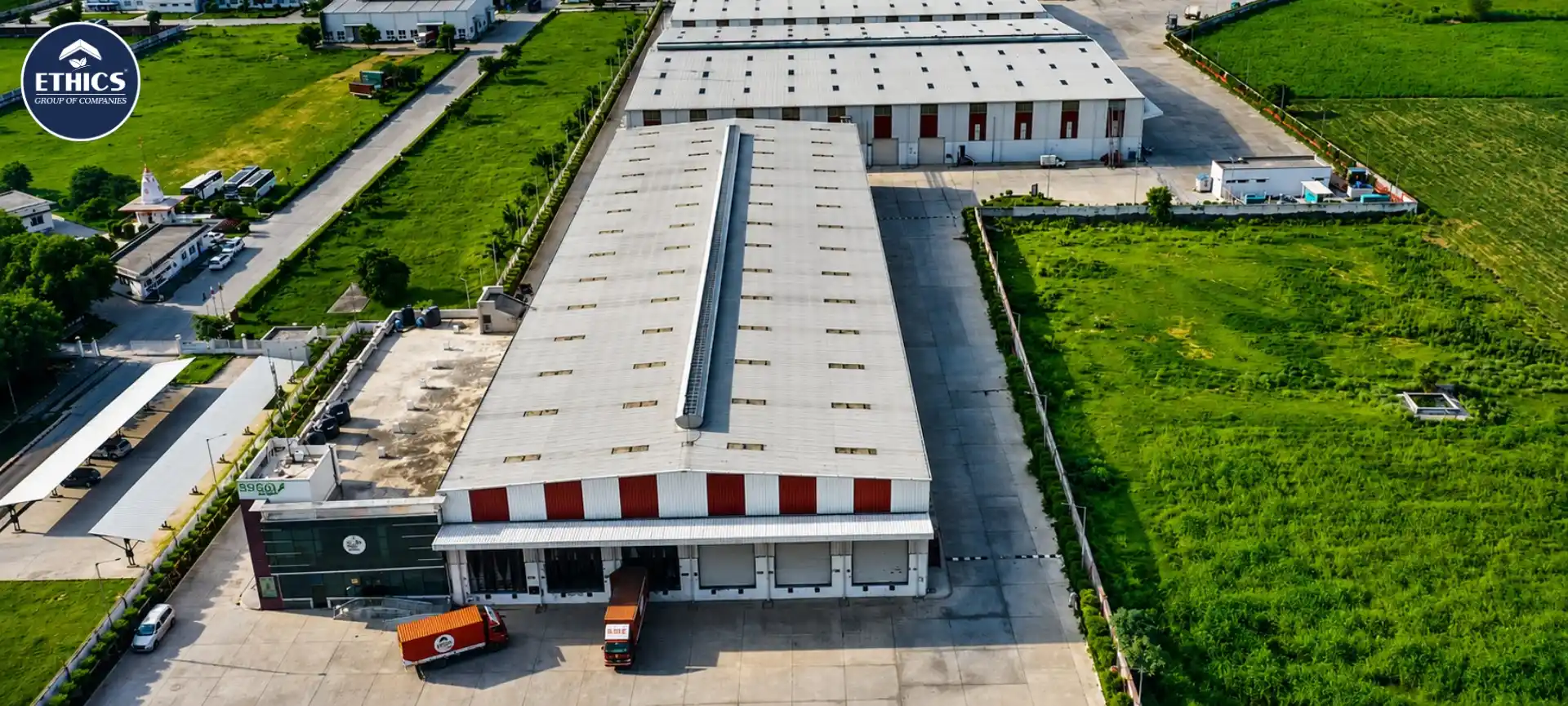
Modern warehouse facilities are increasingly designed with sustainability in mind.
Common improvements include:
- LED lighting systems
- Solar power installations
- Smart energy management systems
- Electric material handling equipment
- Automated climate control solutions
These initiatives reduce operational expenses while supporting environmental goals.
Energy-efficient warehouses also contribute to improved workplace conditions and operational reliability.
Improve Inventory Planning and Demand Forecasting
Excess inventory often leads to unnecessary storage requirements, product obsolescence, and increased resource consumption.
Accurate demand forecasting enables organizations to align inventory levels with actual market demand, reducing waste throughout the supply chain.
Advanced analytics and artificial intelligence technologies are helping businesses improve forecasting accuracy and inventory optimization.
The result is a more sustainable and cost-efficient logistics operation.
Adopt Sustainable Packaging Practices
Packaging plays a critical role in both product protection and sustainability performance.
Organizations can reduce environmental impact through:
- Recyclable materials
- Biodegradable packaging
- Right-sized packaging designs
- Reusable transport containers
- Reduced packaging layers
Sustainable packaging initiatives not only reduce waste but can also lower transportation costs by improving load efficiency.
Strengthen Reverse Logistics Programs
A well-designed reverse logistics strategy supports sustainability while creating additional business value.
Organizations can establish systems for:
- Product refurbishment
- Component recovery
- Material recycling
- Responsible disposal
- Return optimization
These programs help reduce landfill waste and maximize asset utilization across the supply chain.
Business Benefits of Sustainable Logistics
Many executives initially view sustainability as a compliance requirement. However, leading organizations understand that sustainability initiatives often deliver measurable operational benefits.
Reduced Operating Costs
Energy-efficient facilities, optimized transportation routes, and improved resource utilization can significantly lower logistics expenses.
Many sustainability projects generate cost savings that offset implementation investments over time.
Increased Supply Chain Resilience
Sustainable supply chains tend to be more adaptable and resource-efficient.
Organizations with diversified transportation strategies, optimized inventory management, and data-driven operations are often better prepared for disruptions.
Stronger Customer Relationships
Customers increasingly evaluate suppliers based on environmental performance.
Businesses that demonstrate sustainability leadership can strengthen customer loyalty and improve competitive positioning during procurement evaluations.
Better Regulatory Compliance
Environmental regulations continue to evolve globally.
Organizations that proactively adopt sustainable practices reduce compliance risks and position themselves for future regulatory requirements.
Enhanced Brand Reputation
Sustainability initiatives contribute to stronger corporate credibility and stakeholder trust.
Investors, customers, employees, and business partners increasingly view sustainability performance as an indicator of long-term business viability.
Real-World Applications Across Industries
Sustainable logistics solutions are delivering value across multiple sectors.
Manufacturing
Manufacturers are reducing transportation emissions through multimodal freight strategies and optimizing inventory placement to shorten delivery distances.
Retail and E-Commerce
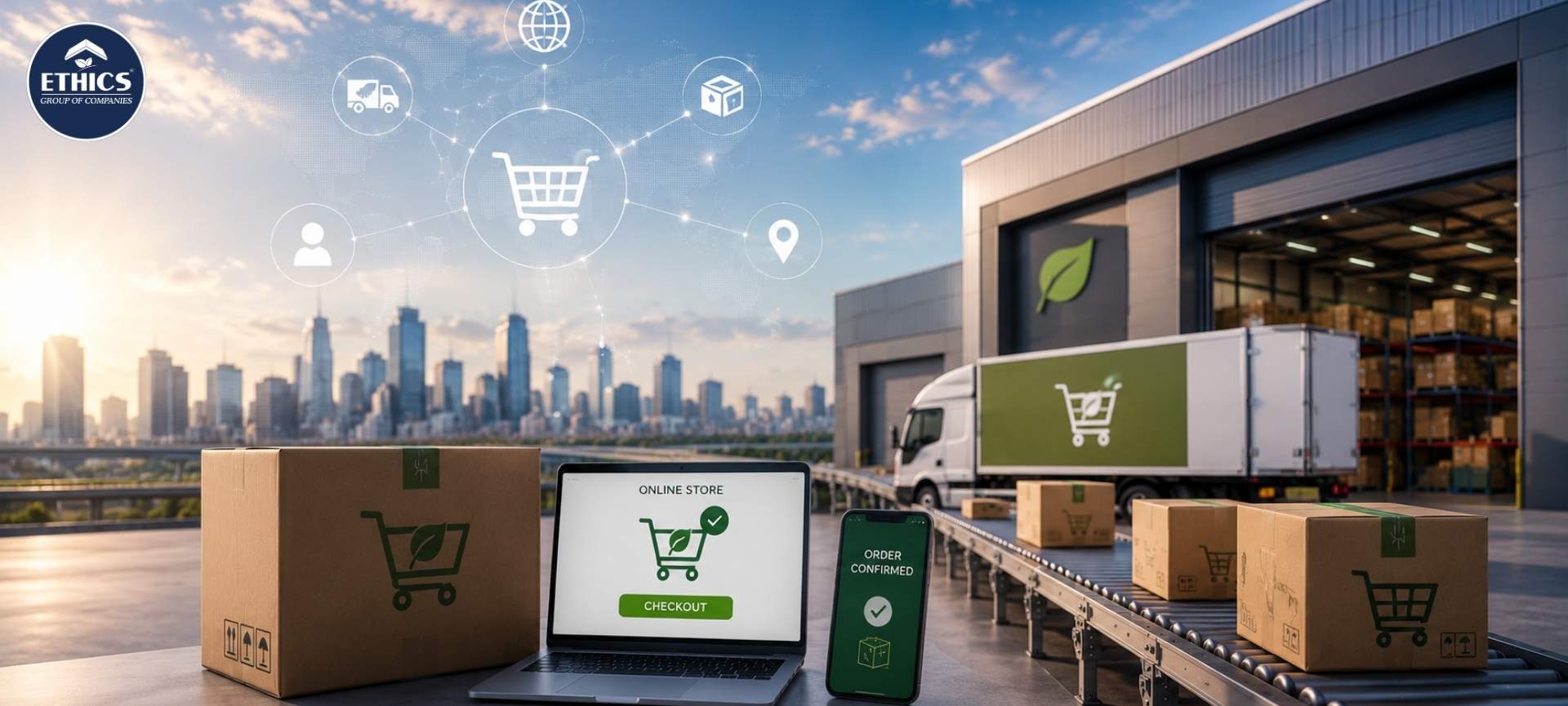
Retailers are investing in localized fulfillment networks, packaging optimization, and transportation visibility technologies to improve sustainability performance.
Pharmaceuticals
Pharmaceutical companies are implementing energy-efficient cold chain infrastructure and advanced monitoring systems to reduce waste while maintaining product integrity.
Automotive
Automotive supply chains are increasingly focused on reusable packaging systems, material recovery programs, and emissions reduction initiatives throughout supplier networks.
The Role of Technology in Sustainable Logistics
Technology is becoming a key enabler of sustainable supply chain transformation.
Organizations are leveraging:
- Transportation Management Systems (TMS)
- Warehouse Management Systems (WMS)
- Internet of Things (IoT) sensors
- Artificial Intelligence (AI)
- Predictive analytics
- Carbon tracking platforms
- Digital supply chain control towers
These technologies provide greater visibility into logistics operations and support data-driven sustainability decisions.
As digital transformation accelerates, technology-enabled sustainability initiatives will become standard practice across supply chain operations.
Future Trends Shaping Sustainable Logistics
Several emerging trends are expected to influence logistics sustainability over the coming years.
Electrification of Transportation
Electric delivery vehicles and alternative fuel technologies are becoming increasingly viable for regional transportation operations.
Carbon Measurement and Reporting
Organizations are placing greater emphasis on tracking and reporting logistics-related emissions to meet stakeholder and regulatory expectations.
Circular Supply Chains
Businesses are moving beyond traditional linear supply chains toward circular models that emphasize reuse, recovery, refurbishment, and recycling.
Green Infrastructure Investments
Companies are investing in environmentally responsible warehouses, renewable energy solutions, and sustainable transportation assets.
These developments will continue to reshape how organizations design and manage supply chain networks.
Conclusion
Sustainable logistics is no longer a future objective—it is a present-day business necessity. Organizations that integrate sustainability into transportation, warehousing, inventory management, packaging, and distribution strategies can achieve meaningful environmental improvements while strengthening operational performance.
Beyond reducing emissions, sustainable logistics initiatives help businesses lower costs, improve resilience, enhance customer trust, and prepare for evolving market expectations. As supply chains become increasingly complex, organizations that prioritize sustainability today will be better positioned to compete in tomorrow's marketplace.
Companies seeking to build future-ready supply chain networks are increasingly adopting sustainability-focused operational strategies, and organizations such as Ethics Group are contributing to this broader industry transformation through integrated logistics and supply chain solutions.