
India's logistics and warehousing sector is undergoing a significant transformation. Driven by rapid e-commerce growth, manufacturing expansion, infrastructure development, and increasing customer expectations, warehouses have become critical nodes within modern supply chains. However, alongside this growth comes a growing responsibility to reduce environmental impact and build sustainable operations.
Green warehousing is emerging as a strategic priority for businesses seeking to balance operational efficiency with environmental stewardship. What was once considered a corporate social responsibility initiative has now become a business necessity. Rising energy costs, stricter environmental regulations, investor expectations, and sustainability commitments are pushing organizations to rethink how warehouses are designed, operated, and managed.
As India moves toward its long-term sustainability goals, green warehousing is expected to play a crucial role in shaping the future of logistics, distribution, and supply chain infrastructure.
Understanding Green Warehousing
Green warehousing refers to the design, construction, and operation of warehouse facilities that minimize environmental impact while maximizing resource efficiency.
A sustainable warehouse focuses on:
- Energy efficiency
- Renewable energy adoption
- Water conservation
- Waste reduction
- Carbon footprint reduction
- Sustainable building materials
- Efficient transportation integration
- Environmentally responsible operations
Unlike traditional warehouses that primarily focus on storage capacity and throughput, green warehouses are designed to optimize both operational performance and environmental sustainability.
For supply chain leaders, green warehousing is no longer just about compliance; it is becoming a source of competitive advantage.
Why Green Warehousing Matters in India
India's logistics sector is projected to continue expanding as manufacturing, retail, pharmaceuticals, FMCG, automotive, and e-commerce industries increase their distribution networks.
This growth presents several challenges:
Rising Energy Consumption
Warehouses consume significant amounts of electricity for:
- Lighting
- Material handling equipment
- HVAC systems
- Security infrastructure
- Automation technologies
As warehouse footprints increase, energy costs become a major operational expense.
Increasing Environmental Regulations
Government policies are increasingly encouraging sustainable industrial development through:
- Green building certifications
- Renewable energy incentives
- Carbon reduction initiatives
- Energy efficiency standards
Organizations that proactively invest in sustainability are often better positioned to adapt to future regulations.
Customer and Investor Expectations
Many global manufacturers, retailers, and enterprise customers now evaluate sustainability performance when selecting logistics partners.
Environmental performance is becoming an important factor in procurement decisions, supplier evaluations, and long-term business relationships.
Key Challenges Facing Traditional Warehouses
Despite growing awareness, many warehouse facilities continue to face sustainability-related challenges.
High Energy Usage
Conventional warehouses often rely heavily on grid electricity and inefficient lighting systems, leading to substantial energy consumption.
Poor Resource Utilization
Excessive water usage, inefficient waste management practices, and underutilized infrastructure can negatively impact operational sustainability.
Carbon-Intensive Operations
Transportation coordination, equipment operation, and facility management contribute significantly to greenhouse gas emissions.
Aging Infrastructure
Many warehouse facilities were built before sustainability became a strategic priority, making retrofitting both challenging and expensive.
Emerging Trends Shaping the Future of Green Warehousing
Several technological and operational developments are accelerating the transition toward sustainable warehouse operations across India.
Solar-Powered Warehouses
Solar energy adoption is becoming one of the most visible sustainability initiatives in the warehousing industry.
Large warehouse rooftops provide ideal space for solar panel installations, allowing facilities to generate renewable electricity and reduce dependence on traditional energy sources.
Benefits include:
- Lower electricity costs
- Reduced carbon emissions
- Greater energy independence
- Improved sustainability performance
As solar technology becomes more affordable, adoption rates are expected to increase significantly.
Smart Energy Management Systems
Modern warehouses are increasingly implementing intelligent energy monitoring solutions.
These systems help operators:
- Track energy consumption in real time
- Identify inefficiencies
- Optimize equipment usage
- Reduce energy waste
Data-driven energy management allows organizations to achieve measurable sustainability improvements while maintaining operational productivity.
Green Building Certifications
Developers are increasingly pursuing certifications such as:
- LEED (Leadership in Energy and Environmental Design)
- IGBC (Indian Green Building Council)
- GRIHA (Green Rating for Integrated Habitat Assessment)
Certified facilities often feature:
- Efficient insulation
- Natural lighting
- Rainwater harvesting
- Energy-efficient construction materials
- Sustainable site planning
These certifications help demonstrate environmental commitment and support long-term operational savings.
Automation and Sustainable Operations
Warehouse automation is contributing to sustainability in ways that extend beyond productivity improvements.
Automated systems can:
- Reduce energy consumption
- Improve space utilization
- Minimize operational errors
- Lower waste generation
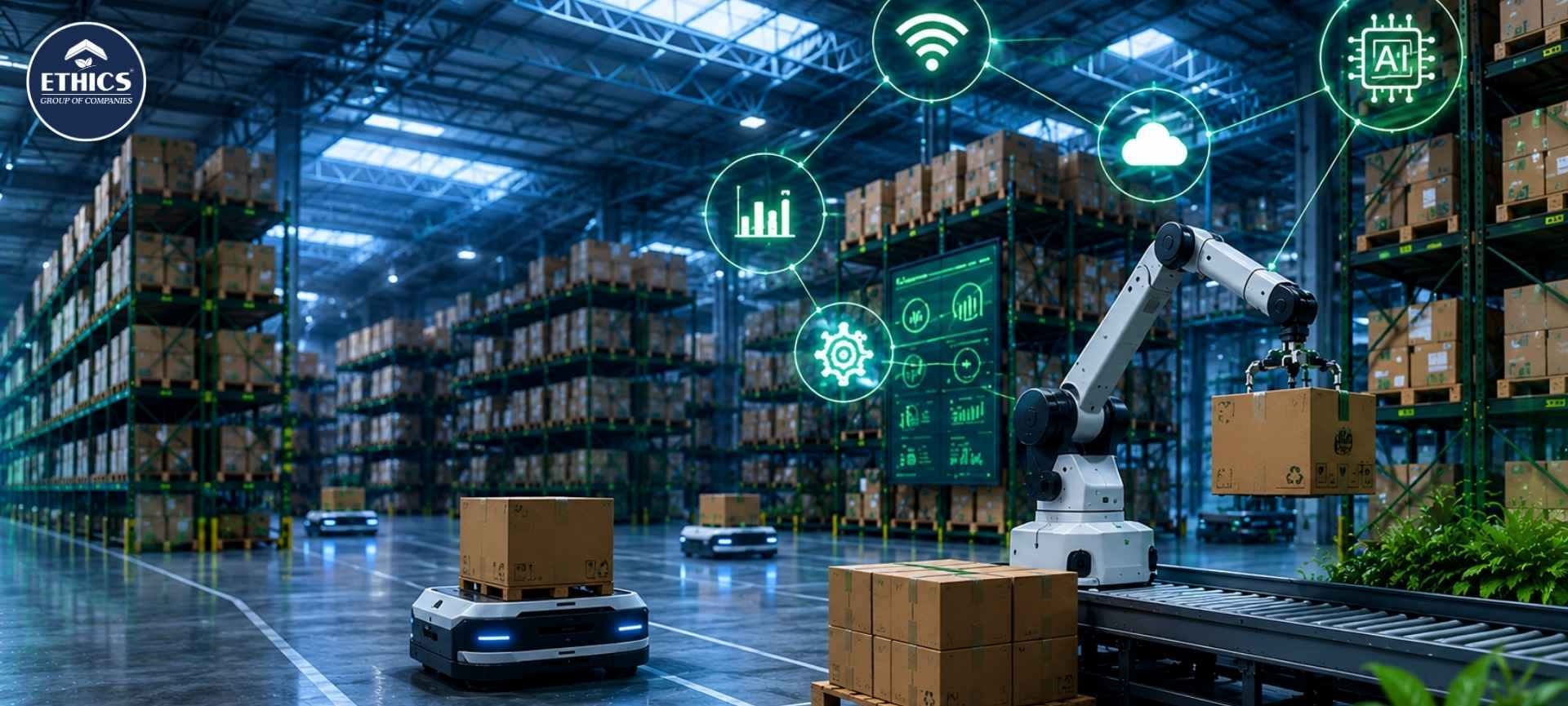
Technologies such as automated storage systems, robotic picking solutions, and intelligent inventory management can enhance both efficiency and sustainability outcomes.
Electric Material Handling Equipment
Many warehouses are transitioning from conventional fuel-powered equipment to electric alternatives.
Examples include:
- Electric forklifts
- Electric pallet trucks
- Battery-powered material handling systems
These technologies reduce emissions within warehouse facilities while supporting cleaner operational environments.
Strategic Benefits of Green Warehousing
For decision-makers evaluating sustainability investments, green warehousing delivers benefits that extend well beyond environmental compliance.
Reduced Operating Costs
Energy-efficient systems, renewable energy generation, and resource optimization can significantly lower long-term operating expenses.
While initial investments may be higher, organizations often achieve substantial savings over the lifecycle of the facility.
Enhanced Supply Chain Resilience
Sustainable facilities are often designed with greater operational efficiency and resource independence.
This can improve resilience against:
- Energy price volatility
- Resource shortages
- Regulatory changes
- Environmental disruptions
Stronger Customer Relationships
Many enterprise customers are increasingly prioritizing sustainability within their supply chain ecosystems.
Organizations with strong environmental credentials may gain a competitive advantage during procurement and vendor selection processes.
Improved Brand Reputation
Sustainability initiatives contribute positively to corporate reputation and stakeholder perception.
Investors, customers, employees, and regulatory bodies increasingly value organizations that demonstrate environmental responsibility.
Industry Use Cases Driving Adoption
E-commerce Distribution Centers
High-volume fulfillment centers consume substantial energy due to round-the-clock operations.
Green infrastructure helps reduce operating costs while supporting sustainable growth.
Pharmaceutical Warehousing
Temperature-controlled pharmaceutical facilities require significant energy resources.
Energy-efficient systems can improve sustainability without compromising compliance requirements.
FMCG Supply Chains
Fast-moving consumer goods companies often operate extensive distribution networks.
Green warehouses help reduce emissions across large-scale logistics operations while improving overall efficiency.
Manufacturing Logistics
Manufacturers increasingly seek sustainable warehousing solutions that align with broader ESG objectives and corporate sustainability targets.
Operational Impact on Supply Chain Performance
Green warehousing directly influences supply chain performance by improving operational efficiency and reducing waste.
Key impacts include:
Better Resource Management
Sustainable facilities optimize the use of energy, water, and space.
Lower Risk Exposure
Organizations can better prepare for evolving environmental regulations and market expectations.
Improved Cost Visibility
Energy monitoring systems provide actionable insights that support more informed operational decisions.
Long-Term Scalability
Sustainable infrastructure enables businesses to expand operations while maintaining environmental performance standards.
What the Future Holds for Green Warehousing in India
The future of warehousing in India will increasingly be defined by sustainability and technology integration.
Several developments are likely to accelerate adoption:
- Greater solar energy penetration
- Expansion of green industrial parks
- Increased ESG reporting requirements
- Wider adoption of warehouse automation
- Growth of electric logistics ecosystems
- Stronger sustainability mandates from enterprise customers
Government initiatives promoting renewable energy and sustainable infrastructure are also expected to encourage broader industry adoption.
As sustainability becomes embedded within supply chain strategy, green warehousing will evolve from a differentiator into an operational standard.
Organizations that invest early in sustainable infrastructure are likely to gain advantages in cost efficiency, compliance readiness, customer acquisition, and long-term competitiveness.
Conclusion
Green warehousing represents the next phase of logistics infrastructure development in India. Beyond environmental benefits, sustainable warehouses deliver measurable improvements in operational efficiency, cost management, resilience, and customer value.
As supply chains become increasingly complex and sustainability expectations continue to rise, businesses must view green warehousing as a strategic investment rather than a compliance initiative. Organizations that embrace sustainable warehouse practices today will be better positioned to navigate future market demands and regulatory changes while building stronger, more efficient supply chain networks.
Companies such as Ethics Group are contributing to this industry evolution by supporting modern logistics infrastructure that aligns operational excellence with sustainability objectives.