
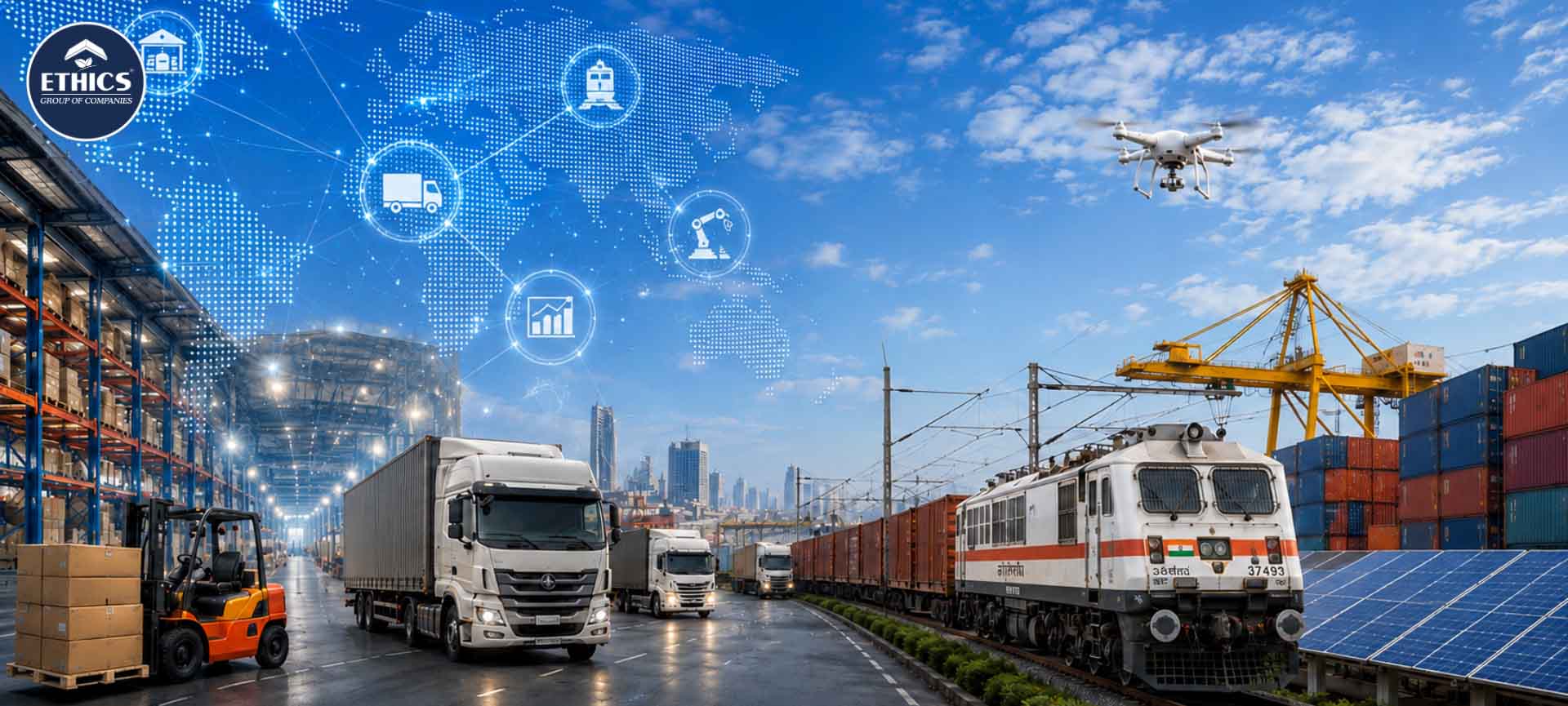
India’s supply chain landscape is entering a period of structural change. Businesses are no longer evaluating logistics only on transportation cost or delivery speed. They are increasingly looking at Supply Chain Management as a strategic function that influences customer experience, working capital, inventory efficiency, resilience, and long-term growth.
The rapid adoption of artificial intelligence, warehouse automation, real-time visibility, multimodal transportation, and digital platforms is reshaping how products move from suppliers to customers. At the same time, rising customer expectations, sustainability requirements, infrastructure development, and complex distribution networks are creating new challenges for businesses.
For manufacturers, retailers, FMCG companies, pharmaceutical businesses, e-commerce players, and other enterprises, the future will depend on building supply chains that are visible, flexible, technology-enabled, cost-efficient, and resilient.
Why Supply Chain Management Is Changing in India
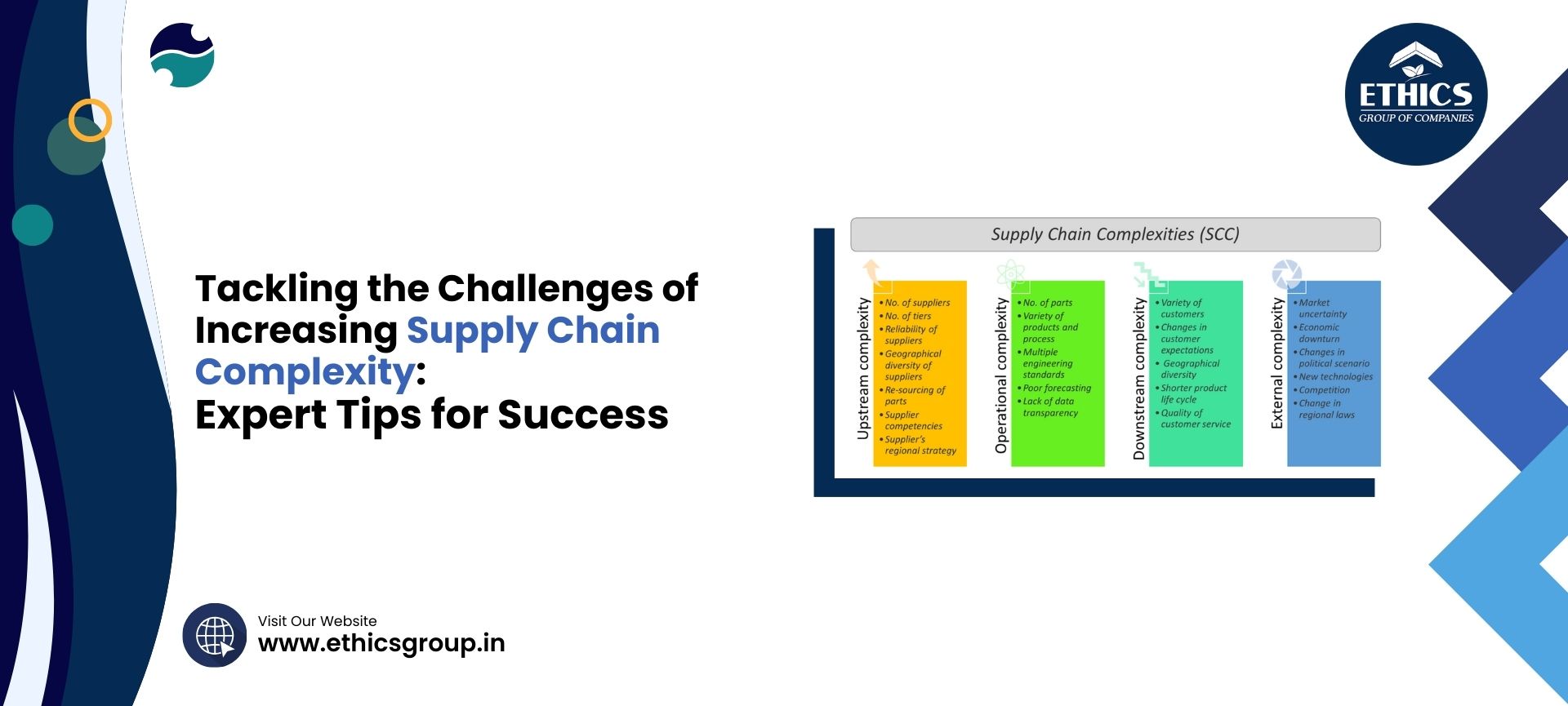
India's expanding consumer market and increasingly complex distribution networks are putting pressure on traditional logistics models.
Businesses now need to manage multiple suppliers, warehouses, transportation modes, regional distribution centres, e-commerce channels, and last-mile delivery requirements. At the same time, customers expect faster and more predictable deliveries.
Several factors are accelerating this transformation:
- Growth of e-commerce and omnichannel retail
- Increasing demand for faster fulfilment
- Expansion of organised warehousing
- Digitalisation of logistics operations
- Adoption of automation and robotics
- Growing focus on supply chain resilience
- Sustainability and emissions management
- Increasing use of data-driven decision-making
- Development of multimodal logistics infrastructure
The result is a shift from isolated logistics activities toward integrated supply chain planning and execution.
From Traditional Logistics to End to End Supply Chain Management
One of the most important developments is the movement toward an End to End Supply Chain approach.
In a traditional model, procurement, warehousing, transportation, inventory, and distribution may operate as separate functions. This can create information gaps and make it difficult to identify where costs, delays, or inventory inefficiencies originate.
An integrated model connects the entire flow:
Supplier → Procurement → Manufacturing → Warehousing → Transportation → Distribution → Customer
With better integration, companies can coordinate inventory levels, warehouse capacity, transportation planning, order fulfilment, and customer demand.
For example, if sales data indicates increased demand in a particular region, an integrated supply chain can help businesses adjust inventory positioning and transportation plans before shortages occur.
This makes supply chain management more proactive rather than reactive.
Warehouse Management System Will Become Essential
Warehouses are evolving from simple storage facilities into technology-enabled fulfilment and distribution centres.
A modern Warehouse Management System (WMS) can help businesses manage receiving, put-away, inventory tracking, picking, packing, dispatch, and warehouse productivity.
Advanced WMS platforms can also integrate with:
- Enterprise Resource Planning systems
- Transportation Management Systems
- Barcode and RFID technologies
- Automated storage and retrieval systems
- Conveyor systems
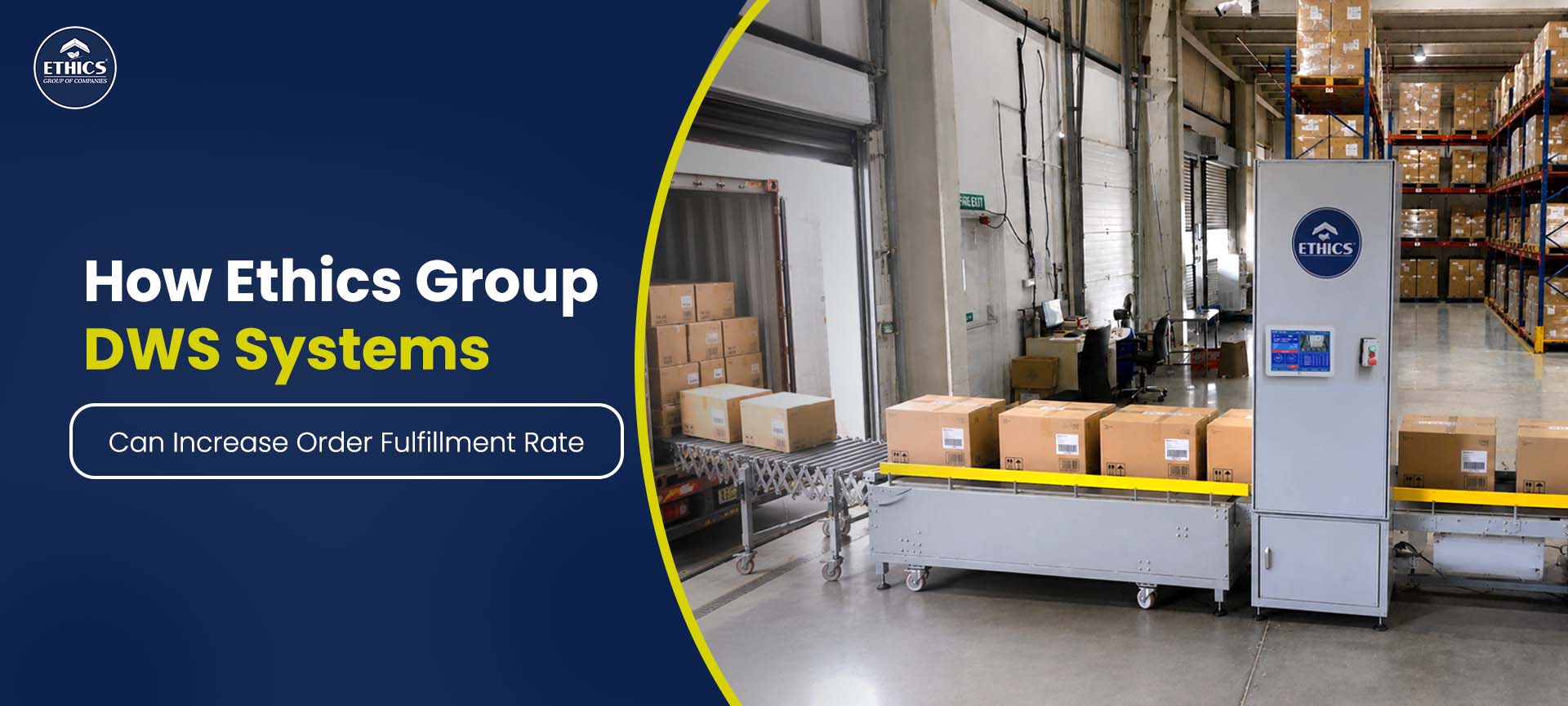
- Dimensioning, weighing and scanning systems
- Real-time inventory dashboards
For businesses managing high SKU volumes or multiple facilities, accurate inventory visibility can significantly improve operational control.
The future warehouse will increasingly combine software, automation, data analytics, and skilled personnel rather than relying primarily on manual processes.
AI and Machine Learning in SCM
Artificial intelligence is expected to become one of the most influential technologies in modern supply chains.
AI and Machine Learning in SCM can analyse large volumes of operational data and identify patterns that may not be immediately visible to human teams.
Potential applications include:
Demand Forecasting
AI models can analyse historical sales, seasonality, market trends, and other variables to improve demand forecasting.
Better forecasting can help companies reduce both stockouts and excess inventory.
Route Optimisation
Machine learning can analyse delivery patterns, traffic conditions, distances, vehicle availability, and delivery constraints to support more efficient transportation planning.
Predictive Maintenance
AI-enabled systems can identify potential equipment or vehicle issues before they result in major operational disruptions.
Inventory Optimisation
AI can help determine where inventory should be positioned and how much stock should be maintained across different locations.
However, technology alone does not guarantee better results. Data quality, system integration, governance, and employee adoption remain critical to successful AI implementation.
Real-Time Visibility Will Become a Competitive Advantage
Supply chain managers increasingly need visibility beyond individual shipments.
Modern visibility platforms can provide information about inventory, orders, warehouse activity, transportation status, and delivery performance.
This allows businesses to answer important operational questions:
- Where is the shipment?
- When is it expected to arrive?
- Which orders are delayed?
- What inventory is available?
- Which locations require replenishment?
- Where are capacity constraints developing?
Real-time visibility enables businesses to respond faster rather than discovering problems after service levels have already been affected.
For enterprise supply chains, visibility will increasingly become a basic operational requirement rather than a premium feature.
Sustainability in SCM Is Moving From Goal to Business Requirement
Environmental responsibility is becoming increasingly relevant to supply chain strategy.
Sustainability in SCM involves more than switching to electric vehicles. Businesses are examining transportation efficiency, packaging, warehouse energy consumption, route planning, inventory positioning, and resource utilisation.
Practical strategies include:
- Consolidating shipments
- Optimising transportation routes
- Reducing empty vehicle movement
- Using energy-efficient warehouse infrastructure
- Improving packaging utilisation
- Increasing shipment visibility
- Evaluating lower-emission transportation options
Sustainability initiatives can also contribute to operational efficiency. Better route planning, reduced waste, and improved asset utilisation can lower costs while reducing environmental impact.
Outsourcing Logistics Services Will Continue to Grow
As supply chains become more complex, many companies are reconsidering which activities should remain internal.
Outsourcing Logistics Services allows businesses to access specialised capabilities in transportation, warehousing, fulfilment, technology, and distribution without building every capability themselves.
Third-party logistics providers can support businesses with:
- Warehousing
- Transportation management
- Inventory handling
- Order fulfilment
- Distribution
- Reverse logistics
- Technology-enabled visibility
The decision to outsource should not be based solely on cost. Businesses should also evaluate service quality, technology capabilities, scalability, geographical coverage, reporting, compliance, and the provider's ability to support future growth.
The right logistics partner can become an extension of the supply chain team rather than simply a service vendor.
Multimodal Logistics Will Strengthen Supply Chain Resilience
India's logistics ecosystem is increasingly moving toward greater integration between road, rail, air, and other transportation modes.
Multimodal logistics can help businesses select transportation options according to factors such as urgency, shipment characteristics, cost, distance, and service requirements.
For example, time-sensitive shipments may require air transportation, while suitable non-urgent movements may benefit from rail or road-based solutions.
The future is therefore unlikely to be about choosing one transportation mode for every shipment. Instead, companies will increasingly use data to determine the most appropriate combination of modes.
Micro-Fulfilment and Distributed Inventory
The growth of e-commerce and quick commerce is also changing inventory strategy.
Instead of concentrating all inventory in large regional facilities, businesses may increasingly position selected products closer to customers through micro-fulfilment centres, fulfilment hubs, dark stores, or strategically located warehouses.
This can reduce delivery distances and support faster order fulfilment.
However, distributed inventory also introduces additional complexity. Companies must balance faster delivery against higher facility, inventory, and management costs.
Data-driven inventory planning will therefore become increasingly important.
Future Opportunities for Indian Businesses
The future of Supply Chain Management in India presents significant opportunities for businesses that modernise early.
Companies can improve performance by focusing on five priorities:
- Digitise core operations – Connect procurement, inventory, warehousing, transportation, and fulfilment data.
- Invest in visibility – Build real-time dashboards and exception-based monitoring.
- Automate repetitive activities – Use technology where it can improve accuracy, productivity, and safety.
- Build flexible logistics networks – Develop alternative transportation and fulfilment options.
- Strengthen supply chain talent – Train teams to work with analytics, automation, and digital systems.
Technology should support business objectives rather than becoming an objective itself. Every investment should ultimately be evaluated against measurable outcomes such as service levels, inventory turns, fulfilment speed, transportation utilisation, cost-to-serve, and customer satisfaction.
Conclusion
The future of Supply Chain Management in India will be defined by the ability to combine technology, people, infrastructure, and operational expertise.
AI, advanced warehouse systems, real-time visibility, sustainable practices, logistics outsourcing, automation, and multimodal transportation are creating a more connected supply chain ecosystem. But successful transformation will require more than implementing new technology. Businesses must redesign processes, improve data quality, develop skilled teams, and continuously measure operational performance.
For organisations such as Ethics Group, the opportunity lies in helping businesses build supply chains that are not only efficient today but also scalable and resilient for tomorrow.
The companies that treat supply chain as a strategic business capability—not merely a logistics function—will be better positioned to respond to changing customer expectations, market disruptions, and future growth opportunities.

.jpg)